
Sterling Jewelers Reaches Landmark $175M Settlement Over Gender Bias Allegations
In a significant development for workplace equality, Sterling Jewelers, a major player in the global jewelry market and part of the Signet Group, has announced a substantial $175 million settlement. This agreement addresses long-standing claims of systemic gender bias affecting approximately 68,000 female employees. The resolution, which averts a potentially extensive class-action lawsuit, marks a crucial moment for corporate accountability and the ongoing fight for fair employment practices within large corporations.
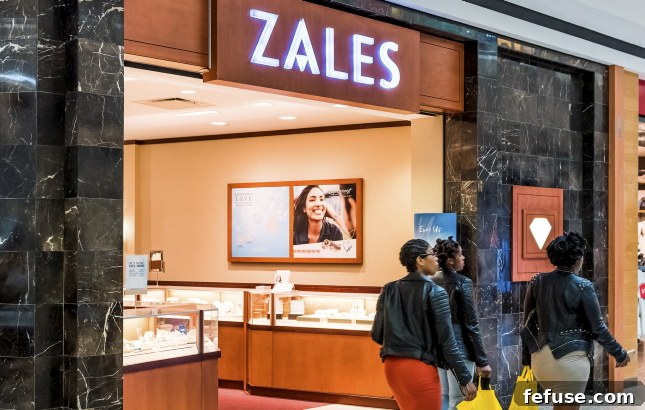
The settlement comes after years of accusations that Sterling Jewelers, operating prominent brands such as Kay, Zales, and Jared, engaged in discriminatory practices against its female workforce. These allegations centered on disparities in pay and promotion opportunities, painting a picture of a corporate culture where gender may have played an undue role in career advancement. While the company has denied any wrongdoing, the decision to settle underscores the serious nature of the claims and the considerable legal and reputational risks involved in proceeding to trial.
Understanding the Gender Bias Claims Against Sterling Jewelers
The core of the lawsuit’s allegations against Sterling Jewelers revolved around a deeply concerning pattern of gender discrimination that reportedly spanned from 2004 to 2018. During this fourteen-year period, thousands of female sales associates and other employees claimed they were consistently undervalued and overlooked in the workplace. Specifically, the legal complaints highlighted two primary areas of alleged bias:
- Unequal Pay: Female employees argued that they were paid less than their male counterparts for performing substantially the same work, despite similar experience, qualifications, and performance metrics. This alleged pay disparity created a significant financial disadvantage for women and undermined the principle of equal pay for equal work.
- Promotion Disparities: The lawsuit further contended that women were systematically passed over for job opportunities and promotions within the company. This meant male employees were disproportionately advanced to higher-paying and more senior roles, effectively creating a glass ceiling for female staff seeking career progression and leadership positions.
These allegations painted a stark picture of a corporate environment where meritocracy was seemingly overshadowed by gender-based biases, affecting the livelihoods and professional aspirations of tens of thousands of women. The broad scope and prolonged duration of the alleged discriminatory practices are what propelled the case towards a class-action status, representing a collective grievance rather than isolated incidents.
The Path to Settlement: Averting a Class-Action Trial
The journey to this $175 million settlement was a protracted one, involving years of legal wrangling, investigations, and the collection of extensive evidence. The claims, initially brought forward by a group of female workers, gradually gained momentum, culminating in the imminent threat of a large-scale class-action lawsuit. Such a trial, which had been scheduled for September, would have been a monumental undertaking, potentially exposing Sterling Jewelers to intense public scrutiny, prolonged legal battles, and even greater financial penalties.
Class-action lawsuits are powerful legal tools designed to address widespread harm caused by a common defendant. In this case, it allowed a large group of individuals who experienced similar forms of discrimination to collectively seek justice. For Sterling Jewelers, facing a class action meant not only the potential for a far larger judgment but also significant damage to its brand reputation and public trust. The decision to settle, therefore, represents a strategic move to mitigate these risks, allowing the company to move forward without the shadow of a prolonged and public legal battle.
From the perspective of the 68,000 female workers involved, the settlement offers a degree of resolution and financial compensation. After an estimated $50 million in legal fees and costs are deducted, the remaining sum will be distributed among the claimants. While the average individual payout of just under $1,850 might seem modest given the gravity of the allegations, it nonetheless acknowledges the wrongs suffered and provides some measure of justice for the affected employees.
Sterling’s Response and Commitment to an Inclusive Workplace
Despite agreeing to the substantial settlement, Sterling Jewelers has maintained its position of denying any wrongdoing. This is a common legal stance for companies settling large claims, allowing them to resolve disputes without explicitly admitting guilt, which could have further legal ramifications. However, the company has also been quick to publicly articulate its commitment to fostering a more equitable and inclusive environment moving forward.
Gina Drosos, CEO of Signet Jewelers (Sterling’s parent company), issued a statement emphasizing the company’s efforts to create a “welcoming and inclusive environment where everyone is invited to be their authentic self.” Such statements are critical in the aftermath of discrimination allegations, signaling a shift towards proactive measures aimed at rectifying past issues and preventing future occurrences. While skepticism often follows such corporate pronouncements, the settlement itself can act as a catalyst for genuine internal change and a renewed focus on fair HR practices.
The company’s pledge to diversity, equity, and inclusion (DEI) is not just about avoiding future lawsuits; it’s increasingly recognized as a business imperative. A diverse workforce fosters innovation, improves decision-making, and enhances employee morale and retention. For a retail giant like Sterling/Signet, with thousands of employees and millions of customers, cultivating a reputation as a fair and equitable employer is vital for long-term success and maintaining consumer trust.
Broader Implications for Workplace Equality and Corporate Responsibility
The Sterling Jewelers settlement transcends the immediate parties involved, sending a powerful message across the corporate landscape. It underscores several crucial aspects of modern employment law and corporate responsibility:
- Reinforcing Equal Pay and Opportunity: The case highlights the persistent challenges women face in achieving equal pay and career advancement, even in established industries. It serves as a stark reminder that companies must actively monitor their pay structures and promotion processes to eliminate unconscious biases and systemic discrimination.
- The Power of Collective Action: The success of the class-action framework in this instance demonstrates its effectiveness in holding large corporations accountable. Individual employees often lack the resources or power to challenge systemic issues alone, making collective legal action an indispensable tool for justice.
- Importance of Robust HR Practices: Companies are now under increased pressure to implement and enforce transparent, fair, and non-discriminatory HR policies. This includes regular audits of compensation and promotion decisions, comprehensive anti-discrimination training, and clear channels for employees to report concerns without fear of retaliation.
- Reputational Risk and Brand Value: Beyond the financial cost, the reputational damage from discrimination lawsuits can be immense and long-lasting. This settlement serves as a cautionary tale for other businesses, emphasizing that investing in a fair and inclusive workplace is not just an ethical choice but also a strategic one for brand protection and consumer loyalty.
- Ongoing Evolution of Workplace Culture: While significant progress has been made, the Sterling case illustrates that the journey toward true workplace equality is far from over. It reinforces the need for continuous vigilance, education, and proactive efforts from both employers and employees to dismantle discriminatory practices and foster truly equitable environments.
The retail sector, with its often large, diverse workforce, frequently faces scrutiny regarding its employment practices. This settlement will undoubtedly prompt other retailers to review their own internal policies and data to ensure they are compliant with equal opportunity laws and are genuinely providing a fair playing field for all employees, regardless of gender.
Moving Forward: A Call for Continuous Improvement
The $175 million settlement by Sterling Jewelers over gender bias allegations marks a significant chapter in the ongoing narrative of workplace equality. While it offers a measure of justice for thousands of female workers, it also serves as a potent reminder of the systemic issues that can persist within large organizations. For Sterling and its parent company, Signet, the challenge now lies in translating their stated commitment to diversity and inclusion into tangible, demonstrable changes in their corporate culture and practices.
This settlement is not merely an end to a legal dispute; it is a catalyst for reflection and reform. It underscores the critical importance of creating environments where every individual feels valued, respected, and has an equal opportunity to thrive. As companies navigate the complexities of the modern workforce, adherence to ethical employment practices and a genuine dedication to equality will be paramount, not just for legal compliance, but for fostering a sustainable, productive, and truly equitable future.