
Signet’s Bold Vision: Pioneering the Future of Jewelry Retail with Digital Transformation and Strategic Growth
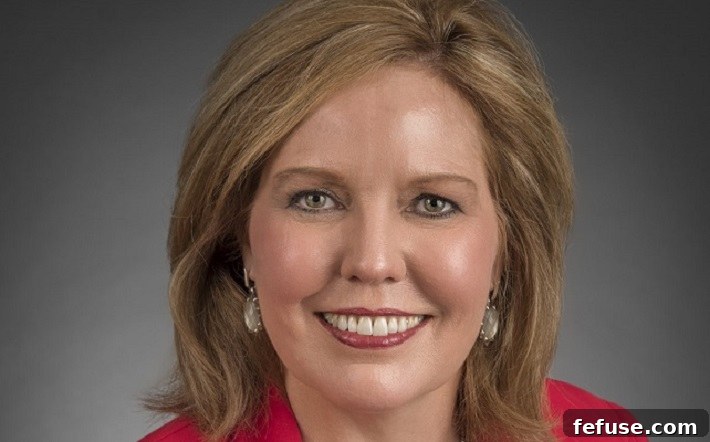
Signet Jewelers, the world’s largest retailer of diamond jewelry, is embarking on a transformative journey under the visionary leadership of CEO Gina Drosos. Drosos has articulated a clear and ambitious strategic roadmap, aiming to reshape the company’s operational model with a strong emphasis on digital acceleration, a streamlined physical footprint, and an aggressive target of $9 billion in annual revenue. This forward-thinking approach positions Signet at the forefront of innovation within the luxury retail sector, adapting proactively to evolving consumer behaviors and market dynamics.
Accelerating the Digital Frontier: A Leap to 40% Online Sales
A cornerstone of Drosos’s strategy is a significant expansion of Signet’s online sales capabilities. In a recent interview with the Wall Street Journal, she revealed her expectation for online sales, which currently account for approximately 23 percent of total revenue, to soar to an impressive 40 percent. While no specific deadline has been set, this target underscores a profound commitment to enhancing Signet’s digital presence and optimizing the e-commerce experience for its vast customer base.
This shift is not merely about increasing sales channels; it reflects a deep understanding of the modern consumer’s journey. Today’s jewelry shopper often begins their exploration online, researching styles, comparing prices, and gathering inspiration before making a significant purchase. By aiming for nearly half of its sales to originate digitally, Signet is proactively responding to this trend, investing in robust e-commerce platforms, personalized online shopping tools, and seamless digital interactions. This digital pivot promises not only increased accessibility for customers but also enhanced efficiency and reach for the company.
Optimizing the Retail Footprint: From Malls to Profitable Premises
Parallel to the digital expansion, Signet is strategically re-evaluating and optimizing its physical store network. Since assuming leadership in 2017, Gina Drosos has overseen the closure of over 900 stores, a decisive move away from less profitable locations, particularly those in traditional enclosed malls. This trend is set to continue, as Signet transitions towards a model featuring more profitable off-mall premises.
Currently, Signet operates approximately 2,700 stores across a distinguished portfolio of brands, including Zales, Jared, Banter by Piercing Pagoda, Diamonds Direct, Blue Nile, JamesAllen.com, Rocksbox, Peoples Jewellers, H.Samuel, and Ernest Jones. This makes Signet the largest jewelry business in North America, with a significant global presence. Despite this extensive network, mall-based stores presently contribute around 40 percent of Signet’s total revenue. The strategic consolidation and relocation efforts are designed to ensure that each physical location serves a critical purpose, offering enhanced customer experiences and contributing significantly to the company’s profitability. This involves exploring formats like smaller, more specialized boutiques, experiential showrooms, and locations in high-traffic, accessible retail hubs outside of conventional malls, aligning with contemporary urban and suburban development trends.
Ambitious Revenue Targets: A Path to $9 Billion in 3-5 Years
The ambitious digital and physical retail transformations are intrinsically linked to Signet’s financial aspirations. Drosos confidently stated that reaching $9 billion in annual sales is “clearly within the three-to-five year range.” This projected figure represents a substantial 25 percent increase from the $7.17 billion reported in fiscal year 2024, demonstrating a strong belief in the company’s strategic direction and its capacity for significant growth. Achieving this target would solidify Signet’s market dominance and provide considerable value to its shareholders.
This growth will be fueled by a combination of factors: the expanded reach and conversion rates from the elevated online presence, the increased profitability and efficiency of the optimized physical store fleet, and the innovative customer engagement strategies discussed below. Furthermore, Signet’s diverse portfolio of brands allows it to cater to a broad spectrum of consumers, from entry-level fashion jewelry to high-end bridal pieces, positioning it uniquely to capture market share across various price points and demographics.
Navigating Market Challenges: The Post-COVID Engagement Slump and Data-Driven Solutions
Like many industries, the jewelry sector has faced its share of unique challenges, notably the post-COVID slump in engagements. The pandemic disrupted social interactions and major life events, leading to a temporary slowdown in proposals. However, Signet anticipates that the effects of this slump should now be gradually wearing off, considering that the average timeline from a first date to a wedding proposal typically spans around three years. As normalcy returns, the pent-up demand for engagement jewelry is expected to re-emerge.
Signet is not merely waiting for market conditions to improve; it is actively leveraging its extensive data and technological prowess to stimulate demand. Gina Drosos highlighted a crucial aspect of their strategy: “Using our data analytics, we have 17 million people in our database that we know are in a dating relationship but not yet engaged.” This extraordinary insight allows Signet to move beyond generic marketing to highly targeted and personalized outreach.
The Power of Personalization: AI and Machine Learning in Action
The core of Signet’s solution to the engagement slump lies in its sophisticated application of data analytics, artificial intelligence (AI), and machine learning (ML). Drosos explained, “We’re personalizing marketing messaging sent as these consumers move along the path to engagement.” This involves a multi-faceted approach:
- Customer Journey Mapping: By analyzing past purchasing behaviors, browsing patterns, social media interactions, and demographic data, Signet can map out the typical progression of a dating couple towards engagement.
- Predictive Analytics: AI algorithms can predict, with a reasonable degree of accuracy, when a couple might be nearing the proposal stage based on their digital footprint and interactions with Signet’s brands.
- Tailored Communication: Instead of generic advertisements, customers receive highly relevant content. For instance, a couple nearing the proposal phase might receive information on ring styles, diamond education, proposal ideas, or financing options.
- Right Information, Right Time: “We use AI and machine learning to provide the right information to couples at the right time during their journey,” Drosos emphasized. This could mean sending an article about finding the perfect engagement ring a few months before an anticipated proposal date, or offering guidance on wedding band selection after an engagement has been announced.
- Channel Optimization: AI helps determine the most effective communication channels for each customer, whether it’s email, SMS, social media ads, or direct mail, ensuring maximum impact.
This level of personalization not only increases the likelihood of conversion but also enhances the customer experience, making the complex process of purchasing engagement jewelry feel more guided and less overwhelming. It transforms Signet from a mere retailer into a trusted advisor throughout one of life’s most significant milestones.
The Omnichannel Advantage: Seamless Integration for the Modern Consumer
Signet’s strategy is fundamentally omnichannel, where the online and physical retail experiences are not separate but seamlessly integrated. A customer might research rings on JamesAllen.com, save favorites, then visit a Zales store to see similar styles in person, and finally complete the purchase online with expert advice from a Jared associate via video chat. This flexibility is crucial for the modern consumer who expects choice and convenience.
The optimization of the store fleet, combined with robust digital platforms, creates a powerful ecosystem. Physical stores can serve as showrooms, consultation hubs, and places for repairs or personalized services, while the online channels provide unparalleled selection, competitive pricing, and 24/7 accessibility. This holistic approach ensures that Signet meets its customers wherever they are in their shopping journey, providing a consistent and high-quality experience across all touchpoints.
Looking Ahead: Signet’s Future in a Evolving Market
Signet Jewelers, under Gina Drosos’s leadership, is not just adapting to change; it is actively shaping the future of jewelry retail. By embracing digital transformation, strategically refining its physical presence, and leveraging cutting-edge data analytics and AI, Signet is positioning itself for sustained growth and market leadership. The company’s ambitious $9 billion revenue target, coupled with its innovative approach to understanding and serving its customers, paints a picture of a dynamic and forward-thinking organization ready to thrive in the evolving landscape of luxury retail. As the post-pandemic world continues to unfold, Signet’s integrated strategy ensures it is well-equipped to capitalize on emerging opportunities and remain the destination of choice for life’s most cherished celebrations.