
India’s Enduring Diamond Trade: Navigating Sanctions and Global Shifts with Russia
The intricate world of global diamond trade has recently witnessed a surprising turn of events, with India reportedly increasing its imports of rough diamonds from Russia despite the ongoing conflict in Ukraine and the imposition of stringent US sanctions. This trend, as highlighted by the Gems and Jewellery Export Promotion Council (GJEPC), underscores the deep-rooted dependencies and complex economic realities shaping international commerce.
India’s Pivotal Role in the Global Diamond Pipeline
India stands as the undisputed global leader in cutting and polishing diamonds, processing approximately 90% of the world’s rough diamonds by value. This labor-intensive industry, primarily concentrated in cities like Surat, Gujarat, employs millions and is a significant contributor to India’s export economy. The seamless supply of rough diamonds is the lifeblood of this sector, ensuring its continuous operation and maintaining its competitive edge. Any disruption to this supply chain can have cascading effects, impacting livelihoods and the global availability of finished diamond jewelry.
The Surprising Surge: India’s Russian Diamond Imports Post-Sanctions
According to GJEPC data, India purchased rough diamonds worth $818 million from Russia in the fiscal year 2022-23. This figure represents an increase of just under eight percent compared to the $855.83 million imported in the preceding fiscal year, 2021-22. While the absolute value in 2022-23 is slightly lower than 2021-22, the percentage increase refers to the volume or specific categories of imports, indicating a resilience in trade despite the challenging geopolitical landscape. This upward trend defies initial expectations that Western sanctions would severely cripple Russia’s ability to export diamonds, particularly to its largest processing market.
The GJEPC, a nodal agency for the promotion of Indian gems and jewelry exports, plays a crucial role in monitoring these trade flows and providing insights into the industry’s performance. Its reports offer a critical window into how global events are reshaping traditional trade routes and financial mechanisms within the highly specialized diamond sector.
The Unwavering Reliance: Why India Needs Russian Rough Diamonds
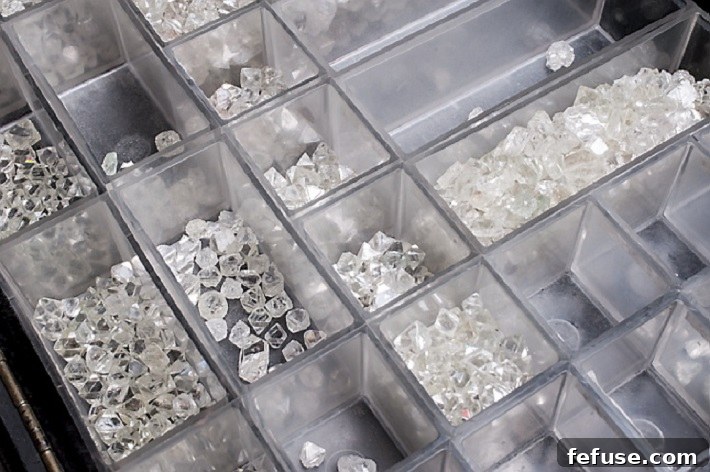
India’s reliance on Russian rough diamonds is not a recent phenomenon but a deeply entrenched aspect of its industry structure. Russia, through its state-owned mining giant ALROSA, is the world’s largest producer of rough diamonds by volume and value. ALROSA’s mines yield a diverse range of diamonds, including the smaller, more affordable stones that are the mainstay of India’s mass-market polishing industry. Indian manufacturers specialize in cutting and polishing these smaller diamonds, adding significant value before they are re-exported to markets worldwide.
The sheer volume, consistent quality, and competitive pricing of Russian rough diamonds make them indispensable for Indian processors. For years, ALROSA has been a preferred supplier, fostering long-term relationships and integrated supply chains. Finding alternative sources that can match Russia’s output and variety, especially for specific categories of rough, is a monumental challenge that cannot be overcome quickly or easily. This fundamental dependence explains why Indian manufacturers continue to seek avenues for sourcing from Russia, even amidst international pressure.
Navigating the Sanctions Labyrinth: The Rupee Payment Mechanism
The introduction of sanctions by the US and its allies against Russia has created significant hurdles for international trade, including the diamond sector. Key Russian banks have been cut off from the SWIFT international payment system, making dollar-denominated transactions extremely difficult or impossible. To circumvent these restrictions, Indian manufacturers have been compelled to adapt, shifting towards alternative payment mechanisms.
One primary strategy involves utilizing Russian banks that remain outside the immediate purview of sanctions and are willing to accept payments in Indian rupees. This rupee-rouble trade mechanism allows transactions to occur without relying on Western financial infrastructure. While this offers a practical workaround, it introduces new complexities:
- Banking Restrictions: Manufacturers must identify and establish relationships with a new set of banks, often requiring due diligence and adaptation to different regulatory environments.
- Currency Volatility: Trading in non-major reserve currencies like the rupee and rouble can expose businesses to greater exchange rate volatility, impacting profit margins.
- Limited Options: The pool of banks willing and able to facilitate such transactions might be smaller, potentially leading to bottlenecks and higher transaction costs.
- Increased Scrutiny: Such payment channels could attract enhanced scrutiny from international financial watchdogs, adding compliance burdens.
As Vipul Shah, GJEPC chairman, noted, this shift has also coincided with a drop in rough diamond imports from traditional hubs like the UAE and Belgium. This suggests a redirection of trade flows, where Indian buyers might be directly sourcing more from Russia or through channels that bypass these conventional intermediaries, possibly due to the changing payment landscape and supply chain disruptions elsewhere.
Broader Implications: Geopolitical Tensions and the Diamond Market
The ongoing geopolitical tensions stemming from the conflict in Ukraine have ripple effects far beyond immediate trade figures. The diamond market, historically opaque and complex, is now grappling with increased demands for transparency and ethical sourcing. While some Western buyers have ceased purchasing Russian diamonds due to ethical concerns or corporate policy, India’s continued engagement reflects a different national and economic calculus.
India has maintained a largely neutral stance on the Ukraine conflict, prioritizing its energy and trade interests, including its reliance on Russian oil and defense equipment. This strategic autonomy extends to the diamond sector, where economic pragmatism often dictates policy. However, this approach also comes with potential risks, including reputational concerns from some international quarters and the challenge of navigating evolving sanction regimes.
The global diamond supply chain is undergoing significant stress. The exclusion of a major producer like ALROSA from significant portions of the market creates supply imbalances, affects pricing, and forces industry players to reconsider their sourcing strategies. The long-term implications for the market structure, including the potential for increased market segmentation between those who buy Russian diamonds and those who don’t, are still unfolding.
Looking Ahead: Industry Outlook and Future Challenges
Despite the resilience shown in the past fiscal year, the outlook for the current year remains cautious. Vipul Shah’s statement, “But this year, the situation will be different due to the slowdown,” points to a recognition of broader economic headwinds. Several factors are expected to influence the Indian diamond industry:
- Global Economic Slowdown: Rising inflation, interest rate hikes, and recession fears in key consumer markets like the US, Europe, and China are likely to dampen discretionary spending on luxury goods, including diamonds.
- Reduced Consumer Demand: A weaker global economy typically translates to lower demand for finished diamond jewelry, which in turn reduces the need for rough diamond imports by Indian processors.
- Inventory Accumulation: If polished diamond sales slow down, manufacturers may find themselves with excess inventory, further reducing their appetite for new rough supplies.
- Evolving Sanctions: The landscape of sanctions is dynamic. Any tightening of restrictions on Russian diamond trade, or pressure on countries facilitating such trade, could further complicate sourcing.
- Diversification Efforts: While immediate alternatives are scarce, the long-term imperative for India’s industry will be to explore greater diversification of rough diamond sources to mitigate geopolitical risks.
- Lab-Grown Diamonds: The increasing popularity of lab-grown diamonds as a more affordable and ethically positioned alternative could also present a challenge to the natural diamond market, potentially affecting demand and pricing for traditional stones.
The Indian diamond industry faces a delicate balancing act: maintaining its critical supply chain with Russia while navigating a challenging global economic environment and managing its international reputation. The flexibility demonstrated in adapting payment systems highlights the industry’s dynamism, but the coming months will test its resilience against a backdrop of complex economic and geopolitical forces.
In conclusion, India’s continued diamond trade with Russia, marked by a nuanced increase despite sanctions, showcases the profound interdependence of the global diamond industry and the pragmatic approaches adopted by nations to secure their economic interests. While the immediate past has shown resilience, the future remains uncertain, with global economic slowdowns and evolving geopolitical landscapes poised to reshape the contours of this glittering yet complex trade.