
The Unforeseen Crisis: How the Coronavirus Outbreak Threatens India’s Diamond Trade
The global diamond industry, a beacon of luxury and timeless value, found itself grappling with an unprecedented challenge in early 2020: the burgeoning coronavirus outbreak. While the world watched the escalating health crisis unfold, particularly from its epicenter, China, its ripple effects began to spread across various sectors. For India, a powerhouse in the global diamond trade, the concerns swiftly shifted from health containment to the profound economic implications threatening its vibrant industry. Reports from the Indian press have shed light on the growing apprehension among countless diamond traders, particularly those in Surat, the country’s undisputed diamond hub, as they face the potential fallout from this unforeseen global event.
Surat’s Diamond Heartbeat: A Pillar of Global Trade
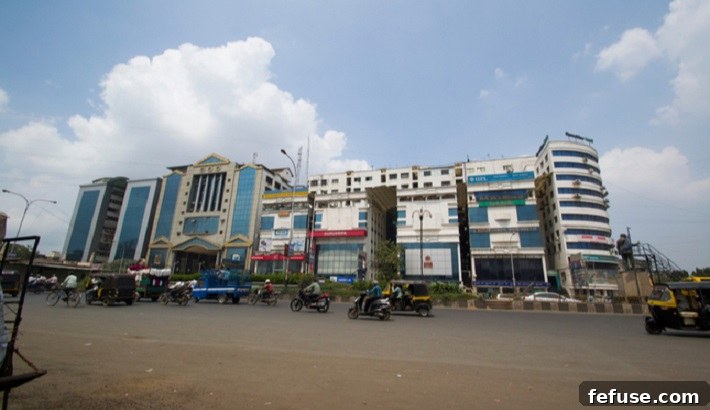
Surat, a bustling city in the Indian state of Gujarat, is not just a city; it is the beating heart of the world’s diamond cutting and polishing industry. Responsible for processing an estimated 9 out of 10 diamonds globally, Surat’s intricate network of small and large businesses, skilled artisans, and sophisticated technology contributes significantly to India’s economy and its position on the international stage. The city’s diamond sector employs millions, directly and indirectly, sustaining entire communities and families. Its reliance on international trade, especially for exports, makes it particularly vulnerable to global disruptions. Therefore, any threat to its export channels or supply chain sends immediate tremors throughout the industry, echoing across the global market.
The Hong Kong Connection: A Critical Export Lifeline Under Duress
At the core of Surat’s trade concerns lies its crucial relationship with Hong Kong. For decades, Hong Kong has served as an indispensable gateway for Indian polished diamonds into the broader East Asian and Chinese markets. It functions not merely as a transit point but as a pivotal trading hub where buyers and sellers from around the world converge to conduct business, strike deals, and facilitate the movement of precious stones. According to Dinesh Navadiya, regional chairman of the Gems and Jewellery Export Promotion Council (GJEPC), Hong Kong alone accounts for a staggering 37% of Surat’s total diamond exports. This significant dependence means that any instability in Hong Kong directly translates into severe consequences for Surat’s diamond traders.
The declaration of a state of emergency in Hong Kong due to the coronavirus outbreak in mainland China sent a wave of alarm through the industry. Travel restrictions, quarantine measures, and general economic slowdown in Hong Kong and China meant a dramatic reduction in business activity, hindering the flow of goods and capital. This abrupt halt in normal operations presented an immediate and tangible threat to the lucrative trade routes that Surat relies upon.
Economic Fallout: Projecting Billions in Losses
The economic ramifications of the diminished trade with Hong Kong were starkly projected. Media reports indicated that the Surat diamond industry could face losses amounting to an estimated Rs 8,000 crore (approximately $1.12 billion USD) within a mere two-month period. This staggering figure underscores the immediate and severe financial pressure on the industry. These losses are not merely theoretical; they translate into a cascade of real-world problems: cancelled orders, delayed payments, mounting inventory, reduced manufacturing activity, and potential job losses for the legions of skilled workers in Surat. Small and medium-sized enterprises, which form the backbone of the industry, are particularly vulnerable to such a rapid and substantial downturn, lacking the financial reserves to withstand prolonged periods of inactivity.
The impact extends beyond the balance sheets of individual businesses. The ripple effect touches ancillary services, from logistics and shipping to finance and insurance, all of which thrive on the robust flow of diamond trade. A slowdown in Surat impacts the entire ecosystem that supports this multi-billion dollar industry.
Trade Fairs Postponed: A Critical Blow to Market Dynamics
Adding another layer of complexity and concern was the postponement of major international diamond and jewelry trade fairs scheduled for Hong Kong. These events are not just exhibitions; they are vital arteries for the global diamond trade, serving as critical platforms for networking, order placement, trend forecasting, and direct sales. The Hong Kong Trade Development Council (HKTDC) announced the rescheduling of two flagship events:
- The HKTDC Hong Kong International Diamond, Gem & Pearl Show 2020, originally slated for March 2-6, was moved to May 18-21.
- The HKTDC Hong Kong International Jewellery Show 2020, initially scheduled for March 4-8, was also shifted to May 18-21.
Furthermore, the SEASONS | Spring – Fashion Jewellery & Accessories Fair, which was to take place from March 3-6, faced a similar postponement. The collective delay of these crucial industry gatherings meant a significant disruption to the annual business cycle. For many traders, these fairs are where a substantial portion of their yearly deals are closed, new client relationships are forged, and market intelligence is gathered. Their postponement created immense uncertainty, forcing businesses to re-evaluate their strategies, manage cash flow in the absence of expected sales, and seek alternative avenues for trade, often with increased costs and logistical hurdles.
The Human Element: Traders Return Home Amid Uncertainty
Beyond the statistics and financial projections, the human impact of the crisis was immediately evident. Reports indicated that a significant number of Gujarati traders operating in Hong Kong began returning to India. This repatriation, driven by both personal safety concerns and the precipitous decline in business activity, underscored the severity of the situation. While ensuring the safety of individuals, their departure from Hong Kong further exacerbated the operational challenges for businesses in the region. These traders are often key figures, possessing invaluable market knowledge, established relationships, and decision-making authority. Their temporary absence meant a significant loss of operational capacity and market presence at a crucial time. The hope, of course, was that they would return once the situation in the Far East improved, but the timeline for such an improvement remained deeply uncertain, leaving many businesses in a state of limbo.
Global Ripple Effects: Major Players Realign Strategies
The impact of the coronavirus was not confined to India and Hong Kong; its ramifications quickly spread across the global diamond supply chain. Even major industry players like Alrosa, the world’s largest diamond mining company, were compelled to adjust their strategies. Alrosa announced its decision to move planned sales events from Hong Kong to other international locations. This strategic pivot highlighted the broad-based concern about the viability of conducting business in affected regions and signaled a broader shift in logistics and market access. Such moves, by influential entities, serve as leading indicators of how the industry as a whole might adapt to similar disruptions, redistributing trade flows and reassessing global market accessibility.
Navigating the Storm: Industry Response and Future Outlook
In the face of such a multifaceted crisis, the Indian diamond industry, supported by bodies like the GJEPC, faced the daunting task of navigating unprecedented uncertainty. Strategies for diversification, exploring new markets beyond traditional hubs, and enhancing digital trade platforms suddenly gained renewed urgency. The crisis prompted a critical re-evaluation of supply chain resilience and risk management practices across the board.
While the immediate outlook presented formidable challenges, the diamond industry has historically demonstrated remarkable resilience and adaptability. Over centuries, it has weathered numerous economic downturns, geopolitical shifts, and market fluctuations. The collective experience and innovative spirit of Surat’s traders, coupled with support from industry associations and government initiatives, were seen as crucial in mitigating the long-term impact of the coronavirus outbreak. The crisis, while devastating in its initial phases, also served as a catalyst for introspection and innovation, pushing the industry to consider more robust, diversified, and agile operational models for a world increasingly susceptible to global shocks.
The initial reports from idexonline and other media sources served as an early warning signal, highlighting the complex interplay of global health crises and economic vulnerabilities. As the world continued to grapple with the pandemic, the story of Surat’s diamond traders became a microcosm of the broader challenges faced by globalized industries, underscoring the interconnectedness of economies and the critical importance of strategic foresight in an ever-evolving global landscape.