
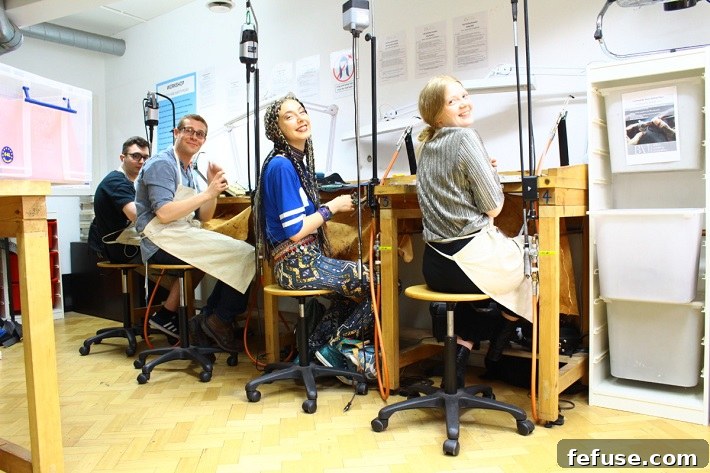
Shaping the Future of Jewellery: The Innovative SQA and BAJ Diploma Programme Unveiled
The vibrant and ever-evolving jewellery industry demands a unique blend of traditional craftsmanship and modern entrepreneurial flair. To meet this dynamic need, the Scottish Qualifications Authority (SQA) and the British Academy of Jewellery (BAJ) have forged an innovative partnership, resulting in a groundbreaking suite of training courses. These programmes are meticulously designed to equip aspiring jewellers with the comprehensive skills necessary to not only survive but truly thrive in this competitive and creative sector. This collaborative effort represents a significant step forward in professional jewellery education, promising to cultivate a new generation of skilled designers and manufacturers.
This pivotal partnership seamlessly combines the BAJ’s profound, sector-specific knowledge and hands-on industry experience with the SQA’s robust, globally recognized quality assurance processes. The synergy of these two esteemed institutions has culminated in the development of the Jewellery Manufacturing and Design Diploma Programme, a comprehensive four-year curriculum meticulously structured to guide students from foundational skills to advanced professional mastery.
A Progressive Journey: Unpacking the Four-Year Diploma Structure
The Jewellery Manufacturing and Design Diploma Programme is built upon a progressive framework, commencing at Level 3 on the Qualifications and Credit Framework (QCF). This initial stage provides students with a rock-solid foundation in the core technical and creative skills indispensable for anyone aspiring to become a successful jeweller. It delves into the fundamental principles of jewellery making, including material properties, basic fabrication techniques, and initial design concepts, ensuring that every student develops a strong understanding of the craft’s essentials.
Following this crucial foundational year, students are presented with the unparalleled opportunity to advance through Levels 4, 5, and 6 over the subsequent three years. Each level is strategically designed to build upon the preceding one, gradually introducing more complex techniques, sophisticated design challenges, and advanced technological applications. This ensures a seamless and logical progression of learning, allowing students to steadily hone their abilities and expand their expertise.
Mastering Advanced Manufacturing and Digital Innovation
As students progress through the higher levels of the Diploma, they gain advanced jewellery manufacturing skills that are critical for crafting intricate and high-quality pieces. This includes expertise in complex metalworking, advanced stone setting, precision finishing, and an in-depth understanding of various jewellery production methods. Beyond traditional techniques, the programme places a strong emphasis on integrating modern technology, particularly through extensive training in Computer Aided Design (CAD). Harnessing the latest software and digital tools, students learn to conceptualize, design, and visualize jewellery with unparalleled accuracy and efficiency. CAD skills are no longer an optional extra but a fundamental requirement for the contemporary jeweller, offering innovative possibilities in design, rapid prototyping, and client communication.
A cornerstone requirement during the development of this progressive Diploma was not merely to impart technical prowess but also to equip students with a broader spectrum of skills essential for navigating the complexities of the modern professional world. This holistic approach ensures that graduates are not only exceptionally skilled at the workbench but also possess the acumen needed to achieve their long-term career aspirations, whether as independent designers, workshop managers, or entrepreneurs.
Kate Rieppel, Head of Programmes at the British Academy of Jewellery, elaborates on the philosophy underpinning the curriculum: “We found that with SQA we had the freedom to put our own input into the programmes. The idea behind the Diploma structure is that we have the flexibility to combine aspects of the jewellery industry within each course.” This inherent flexibility allows the BAJ to continually adapt the curriculum to reflect current industry trends and emerging technologies, ensuring that the education remains relevant and cutting-edge. It empowers the Academy to weave together the multifaceted demands of the jewellery sector, from intricate design processes to crucial commercial considerations, into a cohesive learning experience.
Throughout their journey within the Diploma, students are actively encouraged to unleash their innate creativity and to diligently cultivate their own distinctive artistic voice and unique style. This emphasis on individual expression is a hallmark of the BAJ’s pedagogical approach. Rieppel further adds: “Part of the programme we developed really allows students to take skills from a basic level and to use their creative thought to put their own spin on it. So you’ll find students coming out of our programme who not only have the technical skills, but who can also think quite creatively.” This ensures that graduates are not merely technical operatives but imaginative artisans capable of bringing innovative designs to life and establishing their unique identity in a crowded market.
Beyond the Bench: Essential Business Acumen for the Modern Jeweller
In today’s interconnected world, technical expertise alone is insufficient for sustained success in the jewellery industry. Recognizing this, the Diploma programme goes a significant step further by providing students with the vital skills needed to effectively market themselves and their exquisite products. This critical aspect of the curriculum covers a broad range of contemporary business and digital competencies. Students learn the art of professional jewellery photography, understanding how to capture the intricate details and brilliance of their creations to attract potential buyers. They are also guided through the process of creating and managing their own professional websites, establishing a crucial online presence for showcasing their work and facilitating sales. Furthermore, the programme delves into the strategic use of social media platforms, teaching students how to engage with audiences, build their brand, and drive business growth in the digital realm.
Sofie Boons, Head of the British Academy of Jewellery, articulates the strategic importance of this integrated approach: “We’ve focused on making sure those technical skills are still there but we’re also really interested in making sure that graduates are able to take part in this new jewellery industry, which also requires digital skills, to be business savvy and to know how to market products.” Her statement underscores a fundamental shift in the industry landscape, where digital proficiency and a keen business sense are now as crucial as traditional bench skills. The programme aims to bridge this gap, ensuring that graduates are not only masters of their craft but also adept entrepreneurs ready to navigate the modern marketplace.
Boons further emphasizes the contemporary reality for aspiring jewellers: “Just knowing the technical skills is now not enough to get a career. So that’s what our collaboration with SQA was all about – to build new programmes which enable students to succeed in this new industry.” This candid assessment highlights the visionary nature of the SQA and BAJ partnership, which proactively addresses the evolving demands of the jewellery sector by offering a truly holistic educational experience. The curriculum is designed to foster an entrepreneurial mindset, equipping students with the tools to manage their brand, understand market trends, engage with customers, and ultimately build sustainable and successful careers.
A Clear Career Pathway: From Novice to Professional Jeweller
The phased rollout of the Diploma programme ensures a robust and well-managed introduction. Levels 3 and 4 were successfully launched this year, already welcoming enthusiastic students eager to embark on their professional journey. The subsequent Levels 5 and 6 are slated to become available over the next two years, completing the comprehensive four-year cycle and offering the full spectrum of advanced learning opportunities.
Anne Boyd, Qualifications Manager at SQA, expresses immense enthusiasm for the Diploma’s transformative potential, emphasizing the new and exciting pathway it offers students into the industry. She states: “By the time we put the level 6 in place, what we’ll have is a progressive framework of qualifications, which will take them from absolute beginner to complete professional, and that’s really exciting.” This progressive structure is a testament to the programme’s commitment to developing well-rounded professionals who are capable of making significant contributions to the jewellery world from day one. Graduates will emerge with a portfolio of work, a strong personal brand, and the confidence to embark on diverse career paths, whether as independent designers, manufacturing specialists, or key players within established jewellery houses.
Accessibility and Prestige: Study in Iconic Jewellery Hubs
Accessibility is a key consideration, and the programme is conveniently available at two of the UK’s most historically significant and vibrant jewellery centres. Students can choose to undertake their studies in Birmingham, home to the world-renowned Jewellery Quarter, a district steeped in centuries of jewellery-making tradition and a hub of contemporary craftsmanship. Alternatively, the Diploma is offered in London’s iconic Hatton Garden, a district synonymous with the finest jewellery and a bustling epicentre for the trade. Studying in these prestigious locations offers students unparalleled exposure to the industry, access to a network of professionals, and an inspiring environment rich with creative energy and heritage. These locations are not just places of study but active industry ecosystems, providing invaluable real-world context and networking opportunities.
The Jewellery Manufacturing and Design Diploma Programme, born from the strategic collaboration between the SQA and the BAJ, stands as a landmark initiative poised to redefine professional training in the jewellery sector. By integrating rigorous technical instruction with essential business and digital skills, and by fostering an environment that champions creativity and individual expression, this programme is meticulously crafted to empower the next generation of jewellers. It offers a clear, comprehensive, and progressive pathway from novice to accomplished professional, ensuring graduates are not only masters of their craft but also savvy entrepreneurs ready to excel in the competitive global market. This investment in high-quality, relevant education promises to elevate standards across the industry and secure a bright future for aspiring jewellers in the UK and beyond.
News Source: professionaljeweller