
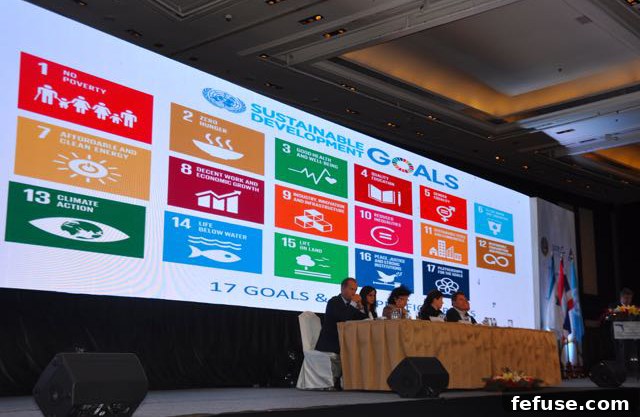
CIBJO Congress 2017: Pioneering Corporate Social Responsibility and Supply Chain Integrity in the Global Jewellery Industry
The global jewellery and gemstone sector converged in Bangkok on Sunday, November 5, for the highly anticipated 2017 Congress of the World Jewellery Federation (CIBJO). The opening day set a formidable agenda, dedicating significant focus to two pivotal Special Sessions: one on Corporate Social Responsibility (CSR) and another on Coloured Gemstone Supply Chain Integrity. The latter, organized in collaboration with the Responsible Jewellery Council (RJC), underscored the industry’s collective commitment to fostering transparency and ethical practices. Beyond these central themes, various Sectoral Commissions also convened, contributing to a comprehensive dialogue on the future of the industry.
CIBJO’s Vision for Corporate Social Responsibility: A Three-Pillar Approach
Kicking off the first special session, CIBJO President Dr. Gaetano Cavalieri articulated the organization’s steadfast emphasis on CSR, grounding it in three fundamental principles designed to uplift the entire gemstone and jewellery value chain. These principles represent a holistic framework for ethical engagement, aiming to reconcile commercial imperatives with social and environmental responsibilities.
1. The Defensive Approach: Safeguarding Integrity and Trust
Dr. Cavalieri highlighted a “defensive approach” as the initial pillar, emphasizing the critical need for measures that rigorously enhance the integrity of the gemstone and jewellery supply chain. This involves robust systems and practices to ensure that products are sourced and processed responsibly, free from conflict and unethical labor. By fortifying the chain against illicit practices, this approach safeguards consumer trust, protects brand reputation, and strengthens the overall credibility of the industry. It’s about proactive risk management and adhering to the highest standards to maintain the sector’s social license to operate.
2. The Social Activism Approach: Fostering Community and Environmental Well-being
The second principle, a “social activism approach,” advocates for progressive measures that actively contribute to the well-being of communities and the protection of the environment. This is particularly crucial in underdeveloped regions where raw materials are often sourced and initial processing takes place. CIBJO champions initiatives that go beyond mere compliance, promoting sustainable development, providing fair wages, improving working conditions, and investing in local infrastructure. This proactive engagement aims to create lasting positive impacts, empowering local populations and ensuring that resource extraction benefits those at the source, rather than exploiting them.
3. The Inclusive Approach: Preventing Barriers to Entry
Finally, Dr. Cavalieri introduced an “inclusive approach,” a vital principle ensuring that any programs designed to support CSR and sustainability within the jewellery and gemstone industry do not inadvertently become artificial barriers to entry, especially for smaller players and artisanal miners. The goal is to foster broad participation and avoid marginalizing those who lack the resources to meet complex, high-cost compliance requirements. This inclusivity is crucial for creating a truly equitable industry, enabling diverse stakeholders to contribute to and benefit from a more responsible global supply chain without facing insurmountable hurdles.
Integrating Artisanal and Small-Scale Miners into the Formal Supply Chain
A significant portion of Dr. Cavalieri’s address focused on the indispensable role of the coloured gemstone sector, which derives a staggering 80 percent of its raw supply from artisanal and small-scale miners (ASM). Recognizing this immense reliance, he stressed the urgent need to “devise practical means of enabling artisanal miners in the coloured gemstone sector to legitimately access our chain of distribution.” This integration is not merely an economic necessity but a moral imperative to “meet our commitment to equal opportunity between and within nations.”
To address this critical challenge, Dr. Cavalieri proposed the development of a Kimberley Process Certification Scheme (KPCS)-type structure specifically tailored for rough coloured gemstones. Drawing inspiration from the successful model employed for diamonds, this framework would enable the industry to demonstrate the integrity of its distribution chain through a synergistic combination of government monitoring and rigorous self-administered due diligence by industry participants. Such a system would offer unprecedented traceability and assurance, providing consumers with confidence in the ethical origins of their coloured gemstones.
He further elaborated on the strategic advantage of industry leadership in this endeavor: “If we as an industry take the lead, and work on an individual basis with governments that are eager to legitimize their artisanal coloured gemstone sectors, then we can grow organically the group of nations working within a KP-type structure.” This proactive engagement would not only expand the reach of responsible sourcing practices but also provide “a legal and non-discriminatory path to the market for artisanal coloured gemstone producers, who otherwise may find themselves locked out.” This vision underscores the potential for a collaborative, industry-driven approach to transform the livelihoods of millions of artisanal miners globally.
Insights from Industry Leaders on Integrity and Sustainability
The special session also featured perspectives from other prominent industry figures, each offering valuable insights into fostering integrity and sustainability.
The Power of Collaboration and Digital Innovation
Erik Jens, CEO of ABN AMRO, a leading bank with significant ties to the diamond and jewellery sector, underscored the pressing need for disparate groups within the industry to coalesce and develop a unified system for tracking and verifying supply chain integrity. He highlighted the importance of effectively communicating the positive strides being made directly to consumers. Jens firmly opined that innovative methods, particularly the strategic utilization of digital technologies such, could profoundly sustain and enhance the integrity of the entire pipeline. Digital solutions offer unprecedented opportunities for real-time tracking, immutable records, and greater transparency, ultimately reinforcing trust across the supply chain.
Setting Standards: The LBMA Model
Sakhila Mirza, Executive Board Director and General Counsel of the London Bullion Market Association (LBMA), shared her organization’s extensive experience in upholding CSR goals within the precious metals market. She detailed the LBMA’s development of a comprehensive Global Precious Metals Code, which sets robust standards for market conduct and best practices. Mirza strongly encouraged other businesses within the jewellery industry to adopt similar rigorous practices, emphasizing that standardized, transparent codes are instrumental in building global confidence and ensuring ethical sourcing across various precious materials.
Industry Involvement in Regulatory Frameworks
Anne-Marie Fleury, Standards and Impacts Director at the Responsible Jewellery Council (RJC), a leading standards-setting and certification organization, highlighted the crucial importance of industry active involvement in the formulation of new regulations and legislation. She argued that only through direct engagement can regulations be practical, effective, and truly reflective of the operational realities and challenges faced by businesses on the ground. The RJC’s own work in developing and implementing standards exemplifies how industry-led initiatives can drive meaningful change and ensure responsible practices.
A Vision for a Sustainability Charter
Corrado Facco, Managing Director of the Italian Exhibition Group, a key partner with CIBJO in promoting Corporate Social Responsibility, put forward a compelling proposal: a sustainability charter. This charter would serve as a formal commitment, to be signed by all interested jewellery industry participants, pledging to meet the multifaceted challenges of an evolving market. Such a charter would signify a collective dedication to ethical sourcing, environmental stewardship, and social responsibility, providing a unified front in addressing growing consumer demands for transparency and accountability.
Deep Dive: Coloured Stone Supply Chain Integrity Panel Discussion
The afternoon session saw CIBJO and the Responsible Jewellery Council jointly host a dynamic panel discussion, offering an in-depth exploration of Coloured Stone Supply Chain Integrity. The session was expertly moderated by Anne-Marie Fleury, guiding a diverse and highly knowledgeable group of experts through complex issues.
The distinguished panel included Sean Gilbertson, Jean Claude Michelou, the Communications Director of the International Colored Gemstone Association (ICA), Emmanuel Piat, head of the renowned Parisian gemstone firm Maison Piat, Richard Hughes, a widely recognized expert on sapphires and rubies, gemmologist Vincent Pardieu, and Eduardo Escobedo, head of the Responsible Ecosystems Sourcing Platform (RESP), a Swiss-based non-profit organization. Each brought a unique perspective – from mining and trade to gemology and non-profit advocacy – enriching the conversation with their specialized insights.
The discussions spanned various facets of the issue, from the challenges of traceability in diverse mining environments to the socio-economic impact on local communities. While there was a general consensus among panelists on the absolute necessity of developing robust methods and systems to preserve the integrity of the supply chain, they also candidly acknowledged the many practical issues that require careful consideration and innovative solutions. These challenges include, but are not limited to, the informal nature of artisanal mining, the difficulty of implementing sophisticated tracking technologies in remote areas, and the inherent complexities of diverse national regulations. Throughout the discussion, a strong emphasis was placed on the crucial need to always keep in mind the ‘ground realities’ – the specific conditions, challenges, and needs of the mining communities themselves – ensuring that solutions are not only effective but also equitable and sustainable for all stakeholders.
Conclusion: A Path Towards a Responsible and Transparent Future
The 2017 CIBJO Congress in Bangkok marked a significant milestone for the global jewellery industry, reaffirming its unwavering commitment to Corporate Social Responsibility and the critical importance of achieving true supply chain integrity for coloured gemstones. Through insightful discussions led by prominent figures like Dr. Gaetano Cavalieri and active participation from diverse industry leaders, the Congress not only highlighted existing challenges but also charted a clear, collaborative path forward. The emphasis on integrating artisanal miners, leveraging digital innovation, and fostering industry-wide collaboration underscores a collective dedication to building a more transparent, ethical, and sustainable future for the entire jewellery and gemstone sector, ensuring that beauty can truly be worn with a clear conscience.
Pic Cap: The Special Session on CSR at the CIBJO Congress
Pic Courtesy CIBJO