
In a remarkable demonstration of resilience and strategic investment, the Harvey Nichols Group reported stellar financial results for the year ending March 31, 2018. The luxury department store chain announced a phenomenal 102% surge in Earnings Before Interest, Tax, Depreciation, and Amortisation (EBITDA), reaching an impressive £14.7 million. This significant uplift in profitability underscores a highly effective operational strategy and a strong return on substantial capital expenditure, particularly within its flagship London operations. Such a robust performance stands out prominently in a retail landscape frequently described as challenging, signaling Harvey Nichols’ successful navigation through competitive pressures and evolving consumer behaviors.
Beyond the impressive leap in profitability, the group also celebrated a solid 9% increase in its total revenue, climbing to £210 million during the same financial year. Operating across London and five other major UK cities, alongside its international presence in Dublin, Harvey Nichols attributed this positive revenue trajectory largely to the outstanding performance of its meticulously revamped Knightsbridge flagship store. This substantial revenue growth, coupled with the doubling of EBITDA, paints a picture of a company not just growing its top line but significantly enhancing its operational efficiency and profitability – a vital indicator of long-term financial health and sustainable business practices within the fiercely competitive luxury retail sector.
The dramatic doubling of earnings before interest, tax, depreciation, and amortisation, escalating to £14 million, directly correlates with the heavy strategic investments made in the Knightsbridge flagship. This iconic store, a cornerstone of London’s luxury shopping scene, underwent a comprehensive transformation designed to elevate the customer experience and reinforce its position at the forefront of high-end retail. Such substantial capital allocation towards enhancing the physical retail environment is a bold statement in an era where many retailers are scaling back brick-and-mortar operations. For Harvey Nichols, this investment clearly paid dividends, illustrating the enduring power of a meticulously curated and visually stunning physical presence in attracting and retaining luxury clientele.
The refurbishment of the Knightsbridge department store was executed in distinct, strategic phases, each designed to revitalize key departments and introduce contemporary luxury concepts. The first phase reached its completion in April of the reported year, marked by the unveiling of a comprehensively redesigned menswear department. This revamp transformed the space into a modern, sophisticated destination for discerning male shoppers, offering an expanded selection of designer labels and an enhanced shopping experience. This move demonstrated Harvey Nichols’ commitment to catering to the evolving preferences of male luxury consumers, who are increasingly seeking unique, fashion-forward pieces and a premium retail environment.
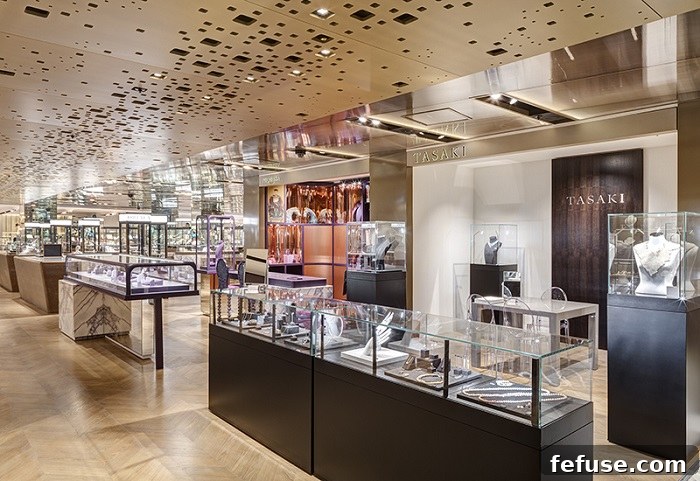
Building on this momentum, the second significant phase of the Knightsbridge refurbishment was successfully completed in November 2016. This phase saw the grand launch of several crucial new areas designed to captivate and indulge luxury shoppers. Among these were a state-of-the-art beauty hall, re-imagined to offer an immersive experience with a wider array of premium brands and personalized services. Simultaneously, a sophisticated fine jewellery room was introduced, providing an exquisite setting for showcasing high-value pieces and catering to a clientele with a penchant for timeless elegance. Furthermore, a new designer accessories hall was unveiled, presenting an extensive collection of luxury handbags, shoes, and other coveted items, solidifying the store’s reputation as a go-to destination for the latest fashion statements. These strategic upgrades collectively aimed to enhance dwell time, encourage cross-departmental shopping, and ultimately drive higher sales by creating a more engaging and luxurious retail journey.
With the physical transformation of its flagship now largely complete and yielding impressive results, Harvey Nichols has strategically shifted its primary focus towards the digital realm and the cultivation of an advanced omnichannel experience. The department store candidly acknowledges that despite its recent success in bucking negative industry trends, the broader high street retail environment remains inherently “challenging.” This forward-thinking pivot underscores an understanding that sustained success in modern retail necessitates a seamless integration of physical and digital touchpoints. The goal is to provide customers with a cohesive and consistent brand experience, whether they are browsing in-store, shopping online, or interacting through various digital channels. This holistic approach is crucial for meeting the demands of today’s tech-savvy luxury consumer.
Joint Chief Operating Officers, Manju Malhotra and Daniela Rinaldi, articulated the company’s dual perspective on its recent performance and future outlook. They expressed profound satisfaction with the financial accomplishments, stating, “We are extremely pleased to see a strong financial performance last year, and our ambitious Knightsbridge store refurbishment plans have had a positive impact.” This statement not only validates the significant investment in the flagship but also highlights the executive team’s confidence in their strategic decisions. Their commentary reinforced the direct correlation between the physical store enhancements and the notable financial rebound, positioning the Knightsbridge project as a critical driver of the group’s success in a competitive market.
However, their optimism was tempered with a realistic appraisal of the prevailing retail climate, reflecting the volatile nature of the industry. Malhotra and Rinaldi added, “However, the retail environment remains challenging and competitive. With this uncertain outlook, we are focused for the remainder of this year on continuing to drive sales and delivering an omnichannel experience for our customers.” This acknowledgment of ongoing difficulties, which in 2018 included factors like Brexit uncertainty, shifting consumer spending habits, and the relentless rise of e-commerce, demonstrates a pragmatic leadership approach. Their clear emphasis on sustaining sales growth and aggressively developing an omnichannel strategy illustrates a proactive stance to mitigate future risks and capitalize on emerging opportunities in a landscape undergoing profound transformation. The commitment to omnichannel is not merely about having an online store; it’s about harmonizing inventory, customer data, and brand messaging across all channels to provide a fluid, personalized, and ultimately more satisfying shopping journey for the luxury consumer, whether they prefer to shop in person, online, or a blend of both.
The positive results achieved by Harvey Nichols stand in stark contrast to the wider narrative surrounding traditional department stores, many of which were grappling with declining footfall, increased competition from online pure-plays, and the substantial costs associated with maintaining large physical estates. Harvey Nichols’ ability to “buck the department store trend” speaks volumes about its distinct strategy: focusing on high-value segments, investing heavily in experiential retail, and proactively embracing digital innovation. This success story offers a blueprint for how legacy luxury retailers can not only survive but thrive by understanding their core customer, offering unparalleled service, and integrating technology to create a seamless and desirable shopping ecosystem. Their strategic moves underscore the enduring importance of a captivating physical presence when supported by a robust digital infrastructure, ensuring the brand remains relevant and appealing to the modern luxury consumer.
Moving forward, Harvey Nichols’ intensified focus on omnichannel is a crucial step in cementing its position in the luxury market. This involves more than just an e-commerce platform; it encompasses initiatives like click-and-collect services, in-store digital enhancements, personalized online recommendations based on in-store purchases, and integrated loyalty programs that reward engagement across all touchpoints. By prioritizing a fluid and connected customer journey, Harvey Nichols aims to build deeper relationships with its clientele, foster brand loyalty, and create compelling reasons for customers to choose them over competitors. This holistic approach to retail, merging the prestige of a physical luxury destination with the convenience and reach of digital channels, is expected to be a key driver of sustained growth and profitability in the years to come, ensuring the iconic brand remains a beacon of luxury retail excellence.
News Source: professionaljeweller.com