
Union Budget 2024: Navigating the Financial Landscape for India’s Gem and Jewellery Industry
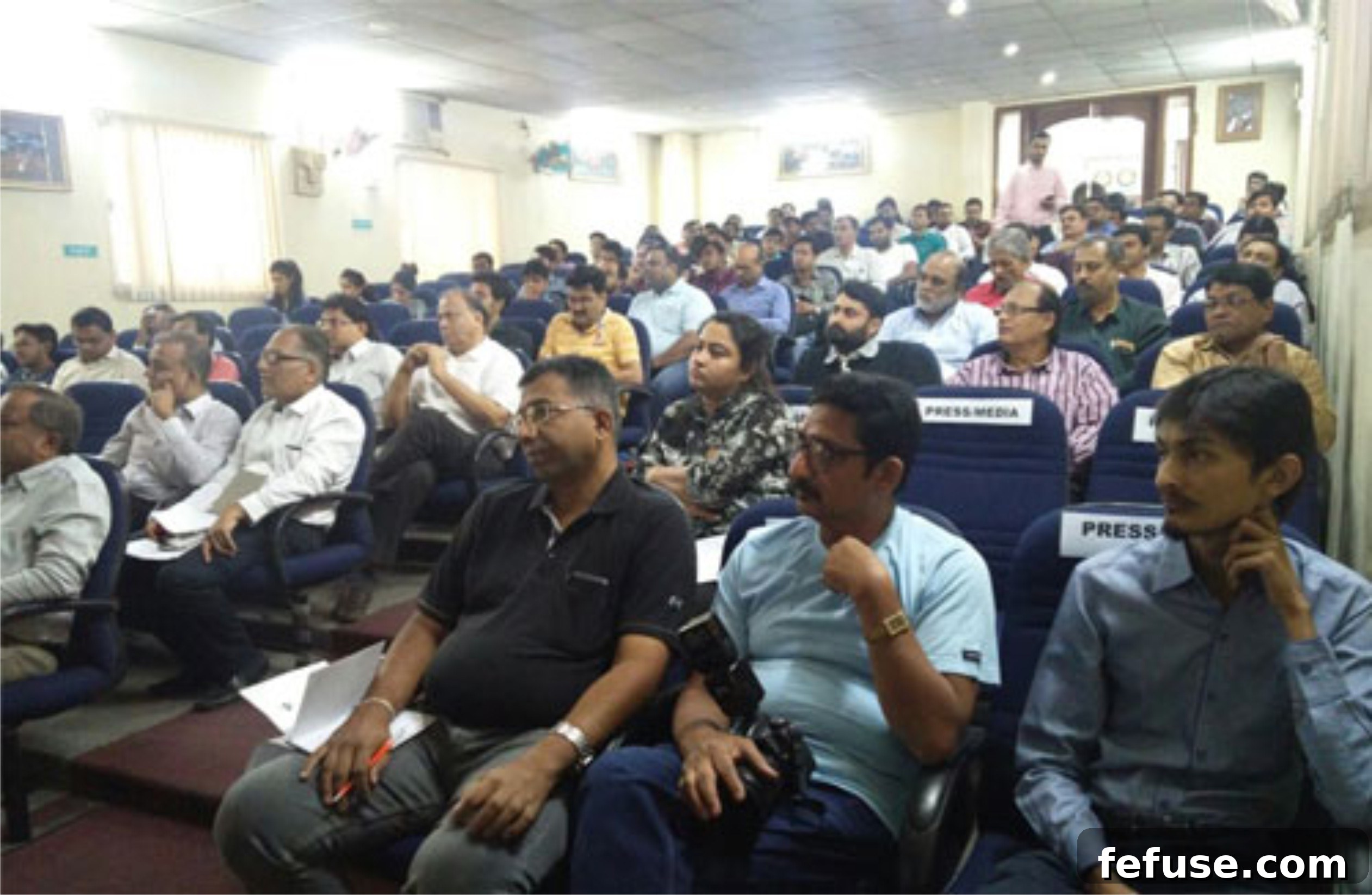
The Indian gem and jewellery sector, a cornerstone of the nation’s economy and a significant contributor to its export earnings, constantly adapts to evolving global and domestic economic policies. In light of the recently unveiled Union Budget, understanding its intricate implications is paramount for sustained growth and competitiveness. Recognizing this critical need, the Gem & Jewellery Export Promotion Council (GJEPC) Gujarat Region recently convened an essential seminar for its esteemed members. This pivotal event aimed to dissect the nuances of the budget, released on February 1, and evaluate its projected impact on the vibrant gem and jewellery industry.
The seminar, a testament to GJEPC’s commitment to supporting its members, featured invaluable insights from prominent figures within the industry and financial advisory landscape. Guiding the discussions were Dineshbhai Navadiya, the distinguished Regional Chairman of GJEPC – Gujarat Region, and CA Nirav Jogani, Vice Chairman of RSM Astute Consultech Pvt. Ltd., a well-respected authority in financial and taxation matters. Their combined expertise provided a holistic perspective on the budget’s provisions and their potential ramifications.
Relief for Diamond Sector: GST Adjustments and Trade Streamlining
In his opening address, Dineshbhai Navadiya illuminated one of the most significant and welcomed changes for the diamond sector. He highlighted the reduced Goods and Services Tax (GST) rate of 0.25% on both rough and polished diamonds. This adjustment is poised to bring substantial relief to manufacturing units, particularly those concentrated in major diamond processing hubs like Surat. The previous higher rates often led to blockages in working capital and increased operational costs, making this reduction a crucial step towards easing the financial burden and enhancing the liquidity of businesses.
Navadiya further elaborated on the strategic benefits of this GST rationalization, especially for the intricate supply chain spanning Surat and Mumbai. He explained that if manufacturing units in Surat directly import rough diamonds and subsequently send them to Mumbai for sale or export after polishing, the credit for the GST paid on the rough diamonds can be seamlessly utilized for offsetting the GST payable on the polished diamonds. This provision is designed to optimize cash flow and reduce the compliance complexities often associated with inter-state movement of goods and multi-stage value addition, thereby fostering a more efficient and financially agile operational environment for diamond businesses.
CA Nirav Jogani’s In-Depth Analysis: Key Budgetary Changes
Following Navadiya’s insightful introduction, CA Nirav Jogani presented a comprehensive and detailed analysis of the Union Budget. His presentation meticulously highlighted the key changes that are set to significantly influence the operational dynamics and profitability of the gem and jewellery industry. Jogani underscored the growing strategic importance of Surat as an import destination, reiterating Navadiya’s point that direct import of rough diamonds into Surat would be highly favorable for the units located there.
Facilitating Direct Imports to Surat and Addressing Logistics
Jogani elaborated on the logistical and procedural complexities inherent in the traditional Surat-Mumbai trade corridor. He pointed out that it would soon become increasingly necessary for all goods moving between Surat and Mumbai to be tallied “jangad to jangad” at the time of assessment. This detailed verification process, involving the precise matching of consignment notes, often introduces a layer of complexity, potential delays, and can be a source of confusion and queries for businesses. By enabling and encouraging the direct import of rough diamonds to Surat, the industry can bypass some of these inter-city logistical bottlenecks, leading to smoother operations and reduced administrative overheads.
While the direct import of rough goods to Surat and the subsequent supply of polished goods to Mumbai offers a simpler pathway, Jogani prudently cautioned that the actual implementation and benefits would ultimately depend upon the specific working model adopted by each manufacturing unit. He emphasized the necessity for businesses to evaluate their current operational structures and adapt strategically on a case-by-case basis to fully capitalize on these new provisions. This proactive approach would ensure that units are well-prepared to navigate the evolving regulatory landscape and optimize their supply chains for maximum efficiency and cost-effectiveness.
Taxation and Trade Facilitation Measures
Jogani provided a granular breakdown of new provisions related to direct and indirect taxes, corporate tax adjustments, surcharges, and changes in import duty on various goods. He meticulously explained the implications of these measures for the industry, touching upon areas that directly impact profitability and operational ease. A particularly noteworthy point was the clarification regarding items falling under Chapter 71 of the Customs Tariff Act, which predominantly covers gems, jewellery, and precious metals. These items, he confirmed, are exempted from the stringent provisions of E-way bill rules.
The E-way bill system, while designed to track goods movement and curb tax evasion, can sometimes introduce considerable logistical challenges for high-value, sensitive goods like gems and jewellery. Therefore, this exemption is a significant relief, as it streamlines the transportation of precious commodities, reducing bureaucratic hurdles and potential transit delays. However, Jogani clearly stated that this exemption does not negate the requirement for proper documentation. All such movements must at all times be supported by essential accompanying documents, including delivery challans, tax invoices, or any other relevant legal documents, ensuring transparency and accountability in transactions.
Import Duties and Surcharges: Unpacking the Financial Impact
The discussion also delved deeply into the critical area of import duties and surcharges, which directly affect the cost of raw materials for the Indian gem and jewellery industry. Jogani addressed the ongoing uncertainty surrounding a potential surcharge on the basic Customs Duty for diamonds.
Diamond Import Duty: Awaiting Clarity
He noted that a formal notification detailing the surcharge to be levied on the basic Customs Duty of diamonds had not yet been issued. However, he outlined a potential scenario: if a surcharge of 10% were to be levied, it would effectively increase the existing 5% import duty on diamonds by an additional 0.5%, bringing the total effective duty to 5.5%. This incremental increase, though seemingly small, could have a considerable impact on the overall cost structure for manufacturers, especially given the high-value nature of rough diamonds.
Jogani emphasized that the complete picture and the precise financial implications would only become clear once an official notification is formally released by the government. The industry eagerly awaits this clarification, as any adjustment to import duties directly influences the competitiveness of Indian diamonds in the global market and impacts the working capital requirements of businesses engaged in diamond processing and trading.
Gold and Silver: Declared Surcharges and Market Dynamics
In contrast to diamonds, the scenario for precious metals like gold and silver was more definite. Jogani confirmed that a surcharge of 3% on gold and silver import duty had already been declared. This measure comes amidst ongoing debates within the industry regarding the optimal level of import duties on these metals. While the government aims to curb non-essential imports and generate revenue, higher import duties can sometimes lead to increased grey market activities and make Indian jewellery less competitive in international markets.
The imposition of a 3% surcharge on gold and silver is expected to directly influence the landed cost of these crucial raw materials, which form the backbone of India’s jewellery manufacturing sector. Businesses will need to factor this increased cost into their pricing strategies, potentially leading to adjustments in consumer prices for gold and silver jewellery. This development underscores the continuous challenge for the industry to balance domestic demand with global competitiveness, while navigating evolving tax and duty structures.
Conclusion: Adapting to a Dynamic Policy Environment
The seminar organized by the GJEPC Gujarat Region served as an invaluable platform for industry stakeholders to gain a deeper understanding of the Union Budget’s multifaceted implications. From the welcome relief offered by the reduced GST on diamonds to the strategic benefits of direct imports into Surat, and the critical discussions surrounding import duties and surcharges on precious metals, the event covered a broad spectrum of financial and operational considerations.
The insights shared by Dineshbhai Navadiya and CA Nirav Jogani highlighted both the opportunities and the challenges presented by the new budget. While certain provisions, such as the GST reduction and E-way bill exemption for Chapter 71 items, are poised to streamline operations and ease financial pressures, areas like the pending notification on diamond surcharges underscore the need for continued clarity and policy stability. The Indian gem and jewellery industry, known for its resilience and adaptability, is now tasked with strategically adjusting its operations, supply chains, and financial planning to thrive within this evolving economic landscape. Continuous dialogue between the industry and policymakers, facilitated by bodies like GJEPC, remains vital for fostering an environment conducive to sustainable growth, enhancing global competitiveness, and maintaining India’s pre-eminent position in the world of gems and jewellery.