
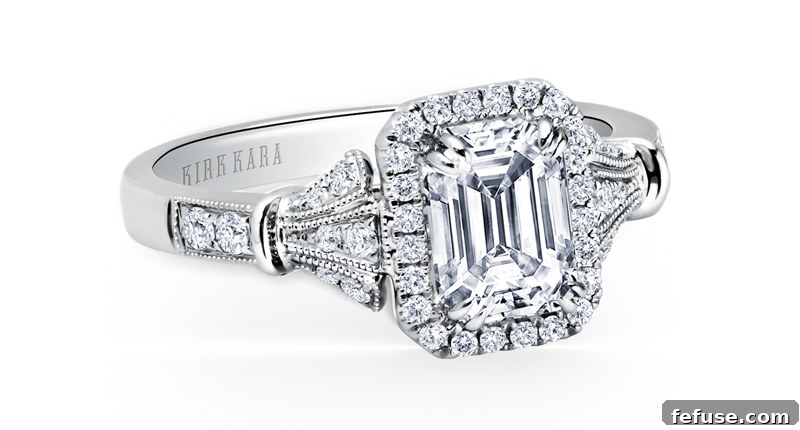
The Enduring Sparkle: Unpacking the Rise in Engagement Ring and Wedding Spending
In a promising sign for the bridal market and the broader jewelry industry, recent reports indicate a consistent upward trend in consumer spending on engagement rings and overall wedding celebrations across the United States. This positive trajectory, despite varying figures from leading industry sources, paints a vibrant picture for jewelers and wedding vendors alike, underscoring a continued willingness by couples to invest significantly in their momentous occasion.
Engagement Rings: A Glimmering Investment on the Rise
The heart of the bridal jewelry sector, the engagement ring, continues to command a significant portion of couples’ budgets. According to The Knot, a premier wedding planning website, their 2016 Real Weddings Study—which surveyed approximately 13,000 couples married that year—revealed a noteworthy increase in average spending. The study found that the average cost of an engagement ring in the U.S. rose by 5 percent, climbing from $5,871 in 2015 to an average of $6,163 in 2016. This upward movement suggests a robust demand for quality and enduring value in bridal jewelry, offering a clear signal of optimism for jewelers specializing in this category.
The Knot’s comprehensive study, drawing from its extensive membership base, aims to chart the financial habits and emerging trends within American weddings. While the company stated its survey respondents represented a diverse mix of ethnicities, educational backgrounds, and income levels, and were geographically dispersed, specific demographic breakdowns were not made publicly available at the time of the report. Nonetheless, the consistent year-over-year growth in engagement ring expenditure highlights a prevailing trend of couples opting for more substantial and perhaps more personalized symbols of their commitment.
Echoing the general sentiment of growth, albeit with different numerical specifics, The Wedding Report, a respected research firm dedicated to tracking and forecasting spending within the wedding industry, also observed an increase. Their data indicated a slight rise in the average amount consumers allocated for their engagement rings, moving from $3,386 in 2015 to $3,407 in 2016. While The Wedding Report’s average figure is considerably lower than The Knot’s, the crucial takeaway for the industry is the shared direction: spending is increasing, not decreasing. This consistent growth, regardless of the precise average, provides a solid foundation for market confidence.
The discrepancy in the reported average spending figures between The Knot and The Wedding Report can often be attributed to differences in survey methodologies, sample sizes, and the demographic profiles of their respective respondent pools. The Knot, leveraging its platform, might capture a segment of the market that is actively engaged in wedding planning and perhaps more inclined towards higher-end purchases or aspirational spending. Conversely, The Wedding Report, as a dedicated research entity, might employ a broader or more statistically diverse sampling approach. Regardless of the numerical gap, the unequivocal message from both authoritative sources remains the same: the market for engagement rings is strengthening, signaling positive prospects for jewelry retailers who are adept at meeting evolving consumer preferences and financial capacities.
The Grand Celebration: Soaring Overall Wedding Costs
Beyond the sparkling centerpiece of the engagement ring, the overall cost of weddings is also experiencing a significant ascent, indicating a broader trend of couples investing more in their entire celebration. The Knot’s 2016 Real Weddings Study reported an all-time high in average wedding expenses, reaching $35,329 in 2016, a notable increase from $32,641 in the previous year. This substantial jump underscores a prevailing desire among modern couples to create unforgettable and highly personalized wedding experiences, a trend that drives demand across various sectors of the wedding industry, from venues and catering to decor and entertainment.
The Wedding Report’s data similarly showed an increase in total wedding spending, albeit a more modest one, with the average rising from $26,645 in 2015 to $26,720 in 2016. While these figures are lower than The Knot’s, they still affirm the trend of couples dedicating considerable financial resources to their special day. The consistently increasing investment in weddings highlights the enduring cultural significance of marriage and the desire for unique, memorable celebrations that reflect couples’ individual styles and aspirations.
Interestingly, while engagement ring spending saw an increase, The Wedding Report also noted a slight decrease in spending on wedding bands, which fell by less than 1 percent to an average of $1,242. This nuanced finding might suggest a strategic allocation of budget, where couples prioritize a more substantial engagement ring, perhaps opting for more modest or alternative wedding band options, or choosing designs that complement rather than overshadow the primary engagement piece. Jewelers can adapt to this by offering a diverse range of wedding band styles and price points, from classic designs to contemporary and stackable options, to cater to varied consumer preferences.
The Driving Force: An Emphasis on Guest Experience
So, what’s fueling this surge in wedding costs? The Knot’s study provides a compelling answer: couples are increasingly prioritizing the guest experience. Modern brides and grooms are shifting their focus from simply hosting a large number of attendees to crafting a more intimate yet highly curated event for their guests. This means a strategic reduction in the guest list size, allowing for a greater per-guest expenditure, enabling couples to provide tailored entertainment and an array of special amenities.
The emphasis on creating a memorable experience is evident in the burgeoning spend on custom entertainment. The Knot revealed a dramatic increase in this category, with spending more than tripling from 11 percent in 2009 to a remarkable 41 percent in 2016. Couples are now investing in innovative and engaging activities such as photo booths, interactive games, live musical performances, and even spectacular fireworks displays to entertain their guests and elevate the overall event ambiance. This trend signifies a move towards experiential weddings, where unique moments and personalized touches take precedence over traditional, formulaic celebrations.
This shift has profound implications for the entire wedding ecosystem. It means a greater demand for specialized vendors, creative designers, and unique experiences that go beyond the conventional. For jewelers, this suggests that while the core product – the engagement ring – remains paramount, understanding the broader context of the wedding experience is crucial. Couples who are investing heavily in an immersive guest experience are likely to also seek out unique, high-quality, and personalized jewelry pieces that align with their overall vision for an exceptional celebration.
Geographic Hotspots: Where Lavish Weddings Reign Supreme
Unsurprisingly, the cost of a wedding varies dramatically by location, with certain metropolitan areas standing out as luxury epicenters. According to The Knot, Manhattan holds the distinction of being the most expensive place to get married in the U.S., where couples spend an astonishing average of $78,464 on their big day. This exorbitant figure reflects the premium cost of venues, catering, and high-end services in one of the world’s most vibrant and expensive cities.
The concentration of high-cost weddings extends beyond Manhattan itself, with four of the five most expensive locations across the country situated within the New York metropolitan area. This includes Long Island, north/central New Jersey, and the outer boroughs of New York City, all commanding significantly higher wedding budgets compared to national averages. These regions are characterized by a confluence of factors: high disposable incomes, a density of luxury venues, access to top-tier vendors, and a culture that often embraces grand celebrations. Rounding out the top five was another major metropolitan hub, Chicago, known for its elegant venues and sophisticated event offerings.
For jewelers and wedding service providers, understanding these geographic disparities is vital. Markets like the New York metro area and Chicago present immense opportunities for businesses catering to luxury segments, offering bespoke designs, premium materials, and unparalleled customer service. These areas often drive trends and set benchmarks for the rest of the industry, making them crucial barometers for future market developments. Businesses in these high-spending locales can leverage the demand for high-value items and personalized experiences, while those in other regions can observe these trends to anticipate evolving consumer expectations.
Implications for Jewelers and the Future Outlook
The comprehensive findings from both The Knot and The Wedding Report offer a resounding message of optimism for the jewelry and broader wedding industries. The consistent upward trajectory in both engagement ring spending and overall wedding costs signifies a robust market driven by couples’ desire for quality, personalization, and unforgettable experiences. For jewelers, this translates into continued opportunities for growth, provided they remain attuned to evolving consumer preferences.
To thrive in this dynamic environment, jewelers must focus on several key strategies. Firstly, emphasize quality and craftsmanship, as couples are clearly willing to invest in pieces that offer lasting value and exceptional beauty. Secondly, lean into personalization and unique design options, catering to the desire for bespoke items that reflect individual love stories. Thirdly, understand the broader context of the wedding experience. A couple prioritizing unique guest entertainment might also be drawn to unique and experiential purchasing processes for their jewelry.
As couples continue to seek more intimate, personalized, and experiential celebrations, the demand for unique and meaningful jewelry will likely persist and grow. Jewelers who can adapt their offerings, enhance their customer experience, and effectively communicate the enduring value and emotional significance of their pieces are well-positioned to capture a larger share of this flourishing market. The enduring sparkle of love, it seems, continues to illuminate a bright future for the bridal jewelry sector.