
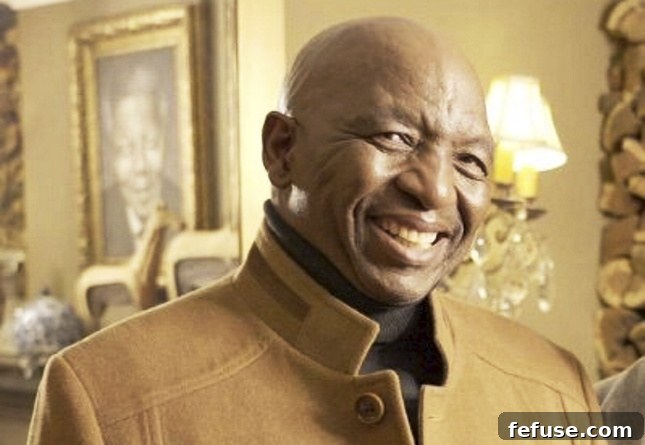
Sam Matekane: From Diamond Tycoon to Lesotho’s Prime Minister – A New Era of Prosperity?
In a truly stunning turn of events that captivated the small, landlocked African kingdom of Lesotho, Sam Matekane, a prominent diamond tycoon, achieved a remarkable and unexpected victory in the nation’s recent parliamentary elections. His meteoric rise from a successful business magnate to the brink of national leadership has sent ripples of hope and anticipation across the country. Matekane, widely recognized as Lesotho’s richest man, has now positioned himself to become the next Prime Minister, signaling a potentially transformative period for a nation long grappling with political instability and socio-economic challenges.
The founder of the pro-business Revolution for Prosperity (RFP) party, Matekane launched his political vehicle just seven months prior to the pivotal elections held last Friday. This incredibly short timeframe makes his near-overall majority an even more significant political earthquake. His party’s rapid ascent defied conventional political wisdom, demonstrating a powerful public appetite for change and a fresh approach to governance. As expected, Matekane is now poised to form a coalition government, tasked with steering Lesotho towards a more prosperous and stable future.
The Unexpected Political Earthquake: RFP’s Rapid Ascent
The 2022 general elections in Lesotho delivered a clear and compelling message from the electorate: a profound desire for new leadership and a departure from the traditional political establishment. The Revolution for Prosperity (RFP), under Matekane’s charismatic leadership, emerged as the dominant force, securing a surprising number of seats that brought them tantalizingly close to an outright majority. This outcome dramatically reshapes Lesotho’s political landscape, which has historically been characterized by fragile coalitions, frequent government collapses, and a revolving door of prime ministers.
The speed with which RFP garnered widespread support is a testament to the popular appeal of Matekane’s vision and his non-traditional background. Voters, weary of persistent corruption, high unemployment rates, and a stagnant economy, seemingly gravitated towards a leader with a proven track record in wealth creation and business management. His campaign focused heavily on economic revitalization, job creation, and good governance, themes that resonated deeply with a population eager for tangible improvements in their daily lives. The fact that a party formed so recently could achieve such a decisive victory speaks volumes about the disillusionment with existing political structures and the yearning for genuine reform.
Who is Sam Matekane? A Profile of Lesotho’s Richest Man
From Humble Beginnings to Business Mogul
Sam Matekane, born 64 years ago, is an embodiment of the rags-to-riches story. The seventh of 14 children, his entrepreneurial journey began at the young age of 22, not with diamonds or grand corporations, but with the humble business of raising donkeys. This early venture, though modest, laid the groundwork for a keen business acumen and an understanding of hard work and perseverance that would define his future. His trajectory from a young man engaged in local trade to the apex of Lesotho’s business world is truly inspirational, reflecting a relentless drive and an ability to identify and capitalize on opportunities.
Over the decades, Matekane meticulously built an empire, culminating in the establishment of the Matekane Group of Companies (MGC). Today, MGC stands as one of Lesotho’s largest and most diversified conglomerates, with significant interests spanning critical sectors of the economy. His success in the private sector has not only accumulated immense personal wealth but has also created thousands of jobs and contributed significantly to Lesotho’s economic output, particularly within the challenging terrain of the diamond mining industry.
The Matekane Group of Companies (MGC): A Diversified Empire
The Matekane Group of Companies, chaired and founded by Sam Matekane, is a testament to his strategic vision and entrepreneurial spirit. Its diverse portfolio includes three primary divisions: property, aviation, and critically, mining. Each division plays a crucial role in Lesotho’s economy and beyond.
The mining division, MGC Mining, entered the scene in 2004 and quickly established itself as a major player, particularly in the highly specialized and demanding field of diamond mining. According to the company’s website, MGC Mining has invested heavily in state-of-the-art machinery and world-class expertise, assembling “the best and latest mining machinery from leading manufacturers to supply blasting and haulage services for mining.” Their comprehensive services include drilling, blasting, loading, and hauling services specifically for diamond extraction. This robust infrastructure and operational excellence have enabled MGC to partner with major diamond producers and contribute significantly to Lesotho’s primary export commodity.
Beyond mining, MGC’s property division has been instrumental in developing key infrastructure and commercial spaces within Lesotho, contributing to urban development and providing essential services. The aviation arm further underscores the group’s diversified nature, offering vital logistical and transport solutions, which are particularly important in a country with challenging mountainous terrain. The sheer scale and scope of MGC’s operations highlight Matekane’s profound influence on Lesotho’s economic landscape long before his foray into politics.
The Revolution for Prosperity (RFP): A New Political Force
The formation of the Revolution for Prosperity (RFP) party in early 2022 was a strategic move by Sam Matekane, capitalizing on the widespread discontent with incumbent political parties and their perceived failures. His decision to enter the political arena was a direct response to a perceived vacuum in effective leadership and a yearning for a pragmatic, results-oriented approach to governance. The RFP’s platform was built on fundamental principles of economic growth, job creation, and a staunch anti-corruption stance, which resonated strongly with an electorate tired of empty promises and political infighting.
The party positioned itself as a modern, pro-business alternative, emphasizing the importance of private sector growth and sustainable development. Matekane’s background as a successful entrepreneur lent significant credibility to these promises, differentiating RFP from traditional politicians whose lack of business experience was often seen as a hindrance to economic progress. The messaging was clear: Matekane, having created wealth and jobs on a grand scale, possessed the practical knowledge and leadership skills necessary to transform Lesotho’s struggling economy. This narrative, combined with his immense personal fortune and willingness to self-fund his campaign, allowed the RFP to rapidly establish a powerful presence across the country, overshadowing established political entities.
Lesotho’s Political Landscape: A History of Instability
Lesotho, often referred to as the “Kingdom in the Sky” due to its stunning mountainous terrain, has unfortunately been plagued by a history of political instability since gaining independence in 1966. The country has witnessed numerous coups, attempted coups, and frequent changes in government, leading to a cycle of uncertainty that has hampered economic development and eroded public trust in institutions. Coalition governments have been a common feature, but these have often been fragile, prone to collapse, and marked by internal power struggles rather than cohesive policy implementation.
The socio-economic challenges facing Lesotho are formidable. High rates of unemployment, particularly among the youth, pervasive poverty, and the devastating impact of HIV/AIDS have created a complex environment. The economy is heavily reliant on remittances from migrant workers in South Africa, revenue from the Southern African Customs Union (SACU), and its natural resources, primarily diamonds and water. Against this backdrop of recurrent political turmoil and pressing social issues, the emergence of a seemingly decisive and pragmatic leader like Sam Matekane has been met with both cautious optimism and considerable expectation. His promise to bring stability and a business-like efficiency to government offers a glimmer of hope for breaking the cycle of political fragility.
Challenges and Opportunities for the New Administration
As Sam Matekane prepares to assume the mantle of leadership, he faces an array of significant challenges, yet also unprecedented opportunities to redefine Lesotho’s future. His business background, while an asset, will be tested by the intricate realities of national governance and coalition politics.
Economic Revitalization and Poverty Alleviation
One of Matekane’s primary tasks will be to jumpstart Lesotho’s economy and significantly reduce the pervasive poverty that afflicts a large segment of the population. His experience in job creation within the private sector offers a blueprint, but translating this to a national scale requires comprehensive policy reforms, attracting foreign direct investment, and diversifying the economy beyond its current reliance on diamonds and textiles. Strengthening agricultural output, promoting small and medium enterprises (SMEs), and investing in education and skills development will be critical to empowering the Basotho people and creating sustainable livelihoods. Addressing the high youth unemployment rate will be paramount to preventing social unrest and fostering national development.
Governance and Stability
Beyond economic reforms, Matekane’s administration must tackle the deeply entrenched issues of governance and political stability. Combating corruption, strengthening democratic institutions, and ensuring the rule of law are essential for fostering a predictable and trustworthy environment for both citizens and investors. His ability to maintain a stable coalition and navigate the often turbulent waters of Lesotho’s political landscape will be a key determinant of his success. Reforming the security sector, a recurring demand from regional bodies, will also be a sensitive but crucial task to ensure long-term peace and stability.
Harnessing Natural Resources Responsibly
Lesotho’s rich natural resources, particularly its diamonds and water, represent both a blessing and a challenge. Matekane, with his deep knowledge of the diamond industry, has the opportunity to ensure that these resources are managed transparently and for the benefit of all Basotho citizens. This includes exploring value-addition within the country, ensuring fair revenue sharing, and attracting responsible investments in the mining sector. Similarly, the judicious management of Lesotho’s abundant water resources, which supply South Africa, can be a major source of revenue and a foundation for regional cooperation, provided equitable agreements are in place.
Looking Ahead: Matekane’s Vision for Lesotho
Sam Matekane’s entry into the highest office in Lesotho marks a pivotal moment for the mountain kingdom. His vision, articulated through the Revolution for Prosperity, promises a new dawn – one characterized by economic growth, job creation, and a departure from the political stagnation of the past. The Basotho people have placed their trust in a leader who has demonstrated an ability to build and sustain a successful enterprise, hoping he can replicate that success on a national scale. Expectations are undoubtedly high, and the journey ahead will be complex and demanding.
The international community will also be watching closely, keen to see if Matekane can bring lasting stability and development to a nation that has often struggled to find its footing. His leadership will be defined not just by his business acumen, but by his ability to unite a diverse population, implement inclusive policies, and build resilient institutions. The “Revolution for Prosperity” faces the ultimate test of translating entrepreneurial success into national prosperity, offering a fascinating and critical chapter in Lesotho’s history.