
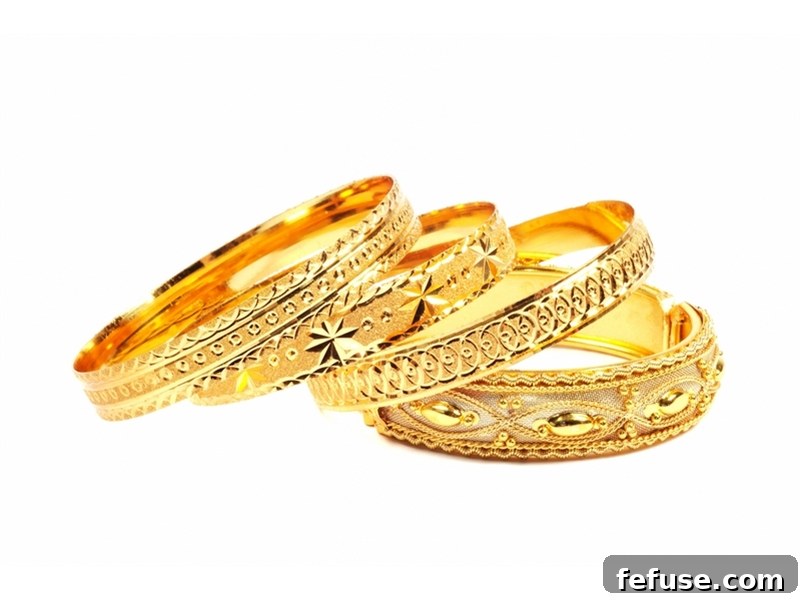
The Chinese jewelry retail market, a vibrant and ever-evolving landscape, stands on the cusp of significant transformation. A key catalyst for this evolution, according to insightful analysis from the World Gold Council (WGC), lies in robust efforts to enhance quality assurance standards, particularly within the rapidly expanding online retail sphere. This strategic focus is poised to inject further momentum into an already dynamic market, catering specifically to a new generation of digital-savvy consumers who increasingly rely on e-commerce for their luxury purchases.
Embracing the Digital Frontier: Connecting with China’s Young Consumers
In an era defined by unparalleled digital connectivity and rapid technological adoption, Chinese jewelers are acutely aware of the imperative to adapt and innovate to remain relevant to their target audience. This need is particularly pronounced when considering young millennials, a demographic segment exhibiting a profound and growing preference for online shopping. This influential group is, in fact, twice as likely to make purchases through digital channels compared to the general Chinese consumer population. Recognizing this powerful and undeniable trend, jewelers across China are enthusiastically embracing the cyber retail space, strategically venturing into e-commerce platforms to meet consumers precisely where they are – online.
However, this transition into digital commerce, especially for high-value items like jewelry, is not without its complexities and inherent challenges. Trust, authenticity, and the tactile experience traditionally associated with jewelry shopping are paramount concerns for consumers. To mitigate these anxieties and foster a secure, reliable online environment, a core emphasis for these digital pioneers is the comprehensive enhancement of quality assurance mechanisms. This crucial step is not merely about compliance; it’s about building and maintaining unwavering consumer confidence in the virtual marketplace, thereby unlocking its immense potential for growth and profitability within the luxury sector.
Pioneering Trust: The Collaborative Approach to Online Quality Assurance
The inherent challenges of purchasing luxury items like jewelry online – primarily the inability to physically inspect the product, concerns over authenticity, and the fundamental desire for guaranteed quality – have historically presented significant barriers to widespread adoption of digital channels for such high-value transactions. To proactively address these critical concerns and cultivate a truly secure and reliable online ecosystem, China’s largest and most influential e-commerce platform, Alibaba, has taken a proactive and monumentally significant step. Alibaba, the powerhouse behind widely popular platforms such as Tmall and Taobao, has forged a landmark agreement with the National Gemstone Testing Center (NGTC). This groundbreaking collaboration mandates that all jewelry sold on these leading e-commerce sites will now carry the NGTC’s official and recognized certification of quality. This initiative represents a monumental leap forward in standardizing quality, ensuring authenticity, and fostering transparency within China’s burgeoning online jewelry market.
The implications of this pivotal agreement are far-reaching and transformative for the entire industry. The NGTC certification is a widely recognized, respected, and authoritative benchmark for gemstone and jewelry quality across China, providing consumers with an unprecedented level of assurance and peace of mind. This strategic move by Alibaba is expected to not only significantly boost overall consumer confidence in online jewelry purchases but also to encourage broader participation from established, reputable jewelers and emerging brands alike within the dynamic online ecosystem. Major retail giants, including venerable and trusted names like Chow Tai Fook and CHJ, are anticipated to be among the first wave of industry leaders to eagerly adopt and implement this new practice, thereby setting a powerful precedent for industry-wide compliance and raising the bar for quality standards across the board. By embedding such rigorous and independently verified standards, Alibaba and the NGTC are effectively laying the robust groundwork for a more transparent, trustworthy, and ultimately, a more vibrant and prosperous online jewelry market. This collective effort transforms the digital retail space from a domain of potential uncertainty into a reliable and preferred avenue for luxury purchases, yielding profound benefits for both discerning consumers and reputable retailers striving for excellence.
A Robust Market Resurgence: Unpacking Q3 2017 Gold Demand Trends
The proactive and forward-thinking steps towards online quality assurance coincide with increasingly encouraging signs emanating from the broader Chinese gold jewelry market. The World Gold Council’s Gold Demand Trends Q3 2017 report brought forth genuinely significant positive news, painting a picture of a sector in strong recovery. Mainland China experienced a robust and healthy resurgence in gold jewelry demand, reaching an impressive 159.3 tonnes during the third quarter of the year. This substantial figure represented a significant 13 percent increase on a year-on-year basis, marking a truly pivotal moment after a protracted period of decline that unfortunately spanned 10 consecutive quarters. This notable reversal signifies a healthy market recovery and a palpable renewed appetite for gold among Chinese consumers, indicating underlying market strength, evolving consumer behavior, and potentially effective marketing strategies from retailers.
The WGC report further elaborated on the primary drivers behind this strong and welcome resurgence, attributing much of the increased demand to strategic holiday purchases, a perennial characteristic of the Chinese consumer landscape. The market recovery notably commenced in late August, perfectly coinciding with the romantic allure of Chinese Valentine’s Day, a popular and cherished occasion for gifting between partners and loved ones. This positive momentum was subsequently sustained and further amplified by the Mid-Autumn Festival, another culturally significant and widely celebrated holiday during which gold jewelry traditionally serves as a cherished and meaningful gift for family and friends, symbolizing affection, prosperity, and good fortune. These seasonal peaks unequivocally underscore the deep-seated cultural roots of gold in Chinese society and its enduring, symbolic role in celebratory and personal gifting traditions. The ability of jewelers to effectively tap into these ingrained customs, coupled with increasingly sophisticated and appealing product offerings, played a crucial role in reversing the previously observed downward trend, demonstrating the market’s inherent resilience and adaptability.
Retailers Adapt and Expand: Navigating a Dynamic Landscape with Strategic Vision
In tandem with the significant uptick in consumer demand, leading jewelry retailers across China reported commendable and sustained growth, directly translating into improved sales performance in terms of both monetary value and physical volume. This positive trend reflects not only a stronger and more confident consumer market but also the demonstrated effectiveness and agility of retailers’ evolving business and marketing strategies. After a period of cautious stagnation and limited expansion observed between 2015 and 2016, the opening of new stores has also resumed with renewed vigor and strategic intent. This expansion, however, demonstrates a clear and calculated strategic shift in market focus: new store openings were largely concentrated in China’s Tier 3 and Tier 4 cities.
This targeted geographical expansion indicates a deliberate and strategic move by retailers to tap into burgeoning markets beyond the often-saturated Tier 1 and Tier 2 metropolitan areas. The growing affluence, increasing disposable income, and rising consumer spending power in these smaller, yet rapidly developing, urban centers represent a significant and largely untapped opportunity for market penetration and sustained long-term growth. This localized and nuanced approach allows retailers to capture new demographic segments, cultivate stronger brand loyalty in previously underserved regions, and diversify their revenue streams, ultimately contributing significantly to the overall vitality and resilience of the national jewelry market. It reflects an understanding that growth opportunities are increasingly found beyond the traditional economic powerhouses, in regions experiencing rapid upward mobility and modernization.
Evolving Consumer Preferences: A Distinct Shift Towards Modernity and Distinctive Design
The preferences of the modern Chinese jewelry consumer are unmistakably evolving, demonstrating a clear pivot away from traditional paradigms towards a greater appreciation for innovation, contemporary design, and personalized expression. The World Gold Council’s findings explicitly highlight this profound cultural and aesthetic shift: buyers continue to demonstrate a distinct and growing preference for small, intricately designed jewelry items, distinguishing themselves from the long-standing traditional inclination towards plain, unadorned 24-karat gold pieces. This signals a maturation of taste, a broadening of aesthetic sensibilities, and a desire for jewelry that serves as both a meaningful investment and a fashionable, personal statement.
This significant evolution in consumer taste is further evidenced by the specific product categories currently experiencing substantial growth. The WGC disclosed that growth was predominantly concentrated among 18-karat gold jewelry, which offers inherently greater versatility in design, a broader spectrum of color options, and enhanced durability. Another rapidly growing segment is 24-karat 3D “hard-gold” products. The latter, while meticulously maintaining the prized purity of 24-karat gold, ingeniously utilizes advanced manufacturing techniques to create lighter, more durable, and elaborately designed pieces. These appeal powerfully to consumers who value both the rich tradition of pure gold and the aesthetics of modern, intricate craftsmanship. Additionally, “piece-priced premium products” have seen a significant surge in popularity. These items often feature unique, proprietary designs, carry substantial brand cachet, or showcase specialized artisanal craftsmanship, allowing consumers to acquire distinctive and highly desirable pieces at a clear and transparent price point rather than solely by weight. This pervasive trend unequivocally demonstrates that Chinese consumers increasingly prioritize innovation, unique differentiation, and contemporary style over strict adherence to traditional forms, actively seeking out jewelry that authentically reflects their individual style and contemporary sensibilities. Jewelers who successfully identify, anticipate, and cater to these nuanced and dynamic preferences are exceptionally well-positioned to thrive and lead in this increasingly competitive and sophisticated market.
Competing for Discretionary Spending: Gold Versus the Allure of Experiences
Despite the encouraging and robust growth witnessed within the jewelry sector, gold continues to face stiff and increasing competition from a diverse array of consumer spending categories. The discretionary budgets of Chinese consumers are no longer solely allocated to tangible luxury goods but are increasingly spread across experiential purchases, with travel, entertainment, and dining emerging as formidable and compelling contenders. This highly competitive landscape necessitates that the jewelry industry strategically position itself, effectively communicate its unique value proposition, and highlight the enduring significance of gold.
The sheer scale and economic impact of competition from the experiences sector is vividly and compellingly illustrated by China’s National Tourism Administration data. During the recent October week-long National holiday, an astonishing and unprecedented estimate of over 700 million Chinese citizens embarked on various forms of domestic and international travels. This massive movement of people translated into colossal economic activity within the domestic tourism sector alone, with revenues estimated at a staggering RMB584 billion (approximately US$90 billion). This figure represented a substantial and impressive increase of around 13 percent from the previous year, 2016, powerfully underscoring the immense pull of travel and leisure activities on consumer wallets and priorities. Such robust and consistent spending on experiences means that jewelry retailers must work harder, smarter, and more creatively to capture and retain consumer attention, offering compelling products and engaging, personalized retail experiences that resonate deeply with modern lifestyles and aspirations. The fundamental challenge for the gold jewelry market is to articulate its enduring value, profound emotional significance, and artistic appeal in a way that distinctly stands out amidst the potent allure of immediate gratification and memorable experiences offered by travel and entertainment. Strategic approaches might include emphasizing jewelry as a lasting memory, a tangible symbol of a personal milestone, or an exquisite heirloom that beautifully complements and enhances the experiential trends shaping contemporary consumer culture.
The Future Outlook: Innovation, Trust, and Deep Consumer Engagement
The Chinese jewelry market, as comprehensively illuminated by these compelling trends, is undoubtedly at an exciting and pivotal juncture. The dynamic convergence of rapid technological adoption, stringent and enhanced quality controls, evolving and sophisticated consumer tastes, and strategic, targeted retail expansion paints a vivid picture of a market that is both inherently resilient and robustly forward-looking. The concerted efforts by major industry players like Alibaba and the NGTC to instill unwavering confidence in online purchases are foundational, ensuring that the burgeoning e-commerce channel grows on a solid bedrock of trust, authenticity, and transparency. This will be absolutely critical for attracting and retaining the younger generations who are already predisposed to digital shopping and expect seamless, trustworthy online experiences.
Furthermore, the pronounced shift in consumer preference towards well-designed, innovative pieces over traditional bulk gold signifies a market that is maturing beyond purely investment-driven purchases. It emphatically underscores the increasing importance of sophisticated design, compelling brand storytelling, and ingenious product differentiation. Jewelers who can consistently innovate with diverse materials like 18K gold and cutting-edge 24K 3D “hard-gold,” and offer unique, piece-priced items with distinct narratives, will continue to capture and expand their market share. The strategic and intelligent expansion into Tier 3 and Tier 4 cities is also a testament to the industry’s unwavering commitment to tapping into new growth pockets and democratizing access to high-quality, aspirational jewelry across the entire nation, reflecting a deep understanding of China’s economic development trajectory.
Finally, while the intense competition from experiential spending categories like travel and entertainment remains a significant and ever-present factor, it also creatively presents a unique opportunity for the jewelry sector to redefine its core value proposition. By skillfully integrating jewelry purchases with life’s most memorable moments and by passionately emphasizing its enduring emotional and artistic value, the industry can successfully carve out its indispensable and irreplaceable space in the rapidly evolving consumer landscape. The Chinese jewelry market is not just recovering from past downturns; it is actively transforming, driven by relentless innovation, an unshakeable commitment to trust, and a deep, empathetic understanding of its diverse, dynamic, and discerning consumer base.
Source: Originally inspired by insights from jewellerynewsasia.com