
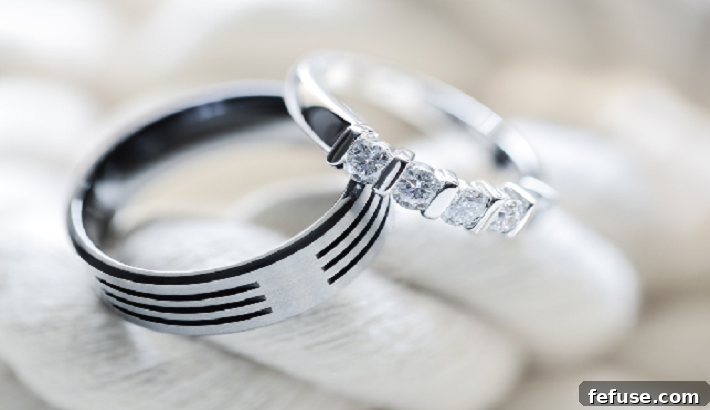
The Global Wedding Rings Market: Trends, Growth Drivers, Challenges, and Future Outlook
The global wedding rings market, a significant segment of the broader jewelry industry, is experiencing a period of dynamic evolution and robust expansion. As timeless symbols of love, commitment, and partnership, wedding rings hold profound cultural and personal significance across the globe. This intricate market is driven by a blend of economic prosperity, demographic shifts, and evolving consumer preferences. Industry forecasts project that the global wedding rings market is set to expand at a Compound Annual Growth Rate (CAGR) of approximately 6% during the upcoming forecast period, indicating a healthy and sustained growth trajectory. This comprehensive analysis explores the multifaceted factors influencing this growth, dissects the challenges confronting the market, and highlights the promising opportunities that are shaping its future.
Market Dynamics: Unpacking Growth Drivers
Several pivotal factors are fueling the steady expansion of the wedding rings market worldwide. A primary catalyst is the continuous rise in disposable income across various economies. As global economic conditions improve and the middle class expands in emerging markets, consumers possess greater financial capacity to invest in high-value, emotionally significant purchases such like wedding jewelry. This increased purchasing power translates directly into heightened demand for premium designs, superior materials, and personalized options in wedding rings.
Demographic trends also play a crucial role. The burgeoning young population entering marriageable age, particularly in populous regions such as Asia Pacific, serves as a fundamental growth engine. This demographic dividend ensures a perpetually replenishing consumer base for wedding rings. Concurrently, a general increase in the overall marriage rate globally, albeit sometimes influenced by evolving social norms and deferred marriages, invariably boosts the demand for ceremonial jewelry. Delayed marriages, surprisingly, can also contribute to market growth as couples tend to have greater financial stability and are willing to spend more on their wedding jewelry.
The transformative impact of online distribution channels cannot be overstated. The digital revolution has profoundly reshaped consumer purchasing behaviors, making the acquisition of high-value items like wedding rings more accessible and convenient. E-commerce platforms offer an expansive selection of designs, competitive pricing, detailed product information, and the ability for consumers to compare options from various brands without geographical constraints. Enhanced online security, user-friendly interfaces, virtual try-on technologies, and efficient logistics have further solidified online retail as a critical sales avenue, complementing traditional brick-and-mortar stores and significantly contributing to market growth.
Furthermore, the increasing urbanization and a general shift in population from rural to urban areas contribute to the market’s expansion. Urban consumers often have greater exposure to global trends, higher disposable incomes, and access to a wider range of retail options, including specialized jewelry boutiques and luxury brands, thereby stimulating demand for modern and premium wedding rings.
Navigating Restraints and Market Challenges
Despite the optimistic growth projections, the global wedding rings market faces notable challenges that can impede its full potential. A pervasive and concerning restraint is the widespread availability of counterfeit wedding rings. These illicit products often mimic popular, authentic designs and are sold at significantly lower prices than genuine diamond, gold, or platinum rings. This affordability, while tempting for some budget-conscious consumers, comes at the cost of inferior quality, lack of ethical sourcing, and diminished long-term value. The proliferation of fake products not only directly impacts the sales and revenue of legitimate jewelry companies but also erodes consumer trust and brand integrity. Concerns about purchasing rings with impurities or non-authentic materials make many consumers hesitant to invest in genuine wedding rings, thereby challenging the ability of established brands to maintain strong consumer relationships and foster loyalty.
Beyond counterfeiting, other significant challenges include the inherent volatility of raw material prices. Fluctuations in the global market prices for precious metals like gold and platinum, as well as diamonds, directly influence production costs and retail pricing. Such price instabilities can impact profit margins for manufacturers and potentially deter consumer purchasing, especially during periods of economic uncertainty. Economic downturns, recessions, or geopolitical instabilities can also lead to a contraction in discretionary spending, with luxury items like wedding rings often being among the first to be deprioritized by consumers. Additionally, growing awareness and concern around the ethical sourcing of diamonds (e.g., “blood diamonds”) and precious metals necessitate rigorous supply chain transparency and certification processes, adding operational complexities and costs for brands.
Emerging Opportunities: Forging New Paths for Growth
Even with existing challenges, the wedding rings market is ripe with exciting opportunities that promise to drive innovation and open new revenue streams. A particularly transformative opportunity stems from the global movement towards the legalization of same-sex marriage. Following landmark decisions, such as Massachusetts becoming the first U.S. state to legalize same-sex marriage in 2004, and the subsequent nationwide legalization across all U.S. states in 2015, along with similar legislative reforms across numerous European countries and recently in Northern Ireland, a significant and largely untapped market segment has emerged: the LGBT community. This demographic represents a diverse group of consumers with distinct preferences, often seeking rings that reflect their unique identities and partnerships without adhering to traditional gendered designs. Many brands are actively responding to this shift by introducing specialized, inclusive, and gender-neutral wedding ring collections. This recognition of the “third gender” and broader spectrum of relationships is fostering demand for innovative designs, matching sets, and personalized options, creating substantial new opportunities for growth during the forecast period.
Other key opportunities include the burgeoning demand for customization and personalization. Modern consumers increasingly seek unique expressions of their individuality and love stories, driving a surge in bespoke designs, personalized engravings, and the ability to choose specific gemstones, cuts, and metals. The growing acceptance and popularity of lab-grown diamonds also present a compelling opportunity. These diamonds offer an attractive alternative to natural diamonds, being environmentally friendly, ethically sourced, and often more affordable, without compromising on brilliance or physical properties. This appeals particularly to younger, socially conscious consumers. Furthermore, the broader trend towards ethical sourcing and sustainability in the jewelry industry is not just a challenge but also an opportunity. Brands that commit to transparent supply chains, fair labor practices, and environmentally responsible manufacturing can gain a competitive edge and resonate strongly with a growing segment of conscientious consumers.
Market Segmentation: A Deeper Dive into Preferences
By Metal Type: The Enduring Allure of Diamonds
Within the diverse metal segment, diamond rings continue to hold a commanding lead in the global wedding rings market. Their unparalleled brilliance, exquisite sparkle, and timeless elegance make diamonds the quintessential symbol of everlasting love and commitment for countless couples. Despite often being a more significant financial investment compared to gold or platinum alternatives, the aspirational value and aesthetic appeal of a diamond ring ensure its sustained dominance. This segment is not only the largest but is also anticipated to experience robust expansion throughout the forecast period, driven by innovations in diamond cutting techniques (e.g., various cuts like round, princess, oval), diverse settings (e.g., solitaire, halo, pave), and the increasing acceptance of high-quality lab-grown diamonds as a sustainable choice.
While diamonds reign supreme, other precious metals maintain substantial market presence and cater to varied tastes and budgets:
- Gold Rings: Gold remains a traditional and highly popular choice, available in different purities (karats such as 10K, 14K, 18K, 24K) and appealing colors including classic yellow gold, contemporary white gold (often rhodium-plated), and romantic rose gold. Its versatility and historical significance make it a perennial favorite.
- Platinum Rings: Valued for its exceptional durability, rarity, and hypoallergenic properties, platinum is a premium metal favored for its inherent strength and lustrous, naturally white sheen that beautifully complements diamonds. It is also resistant to tarnish and wear, making it ideal for daily wear.
- Other Metals: A growing segment for alternative metals includes palladium (a platinum group metal), titanium, tungsten, and stainless steel. These options often appeal to consumers seeking more affordable, highly durable, lightweight, or unique aesthetic choices, particularly for men’s wedding bands or for those who prefer modern, industrial-inspired designs.
By Product Category: Beyond Just Wedding Bands
While the market is broadly termed “wedding rings,” it encompasses a spectrum of related jewelry categories. The core market, naturally, consists of wedding rings themselves – the bands exchanged during marriage ceremonies. However, these are closely intertwined with and often preceded by engagement rings, which are typically purchased to symbolize a proposal and a commitment to marry. The market for engagement rings is substantial on its own, often featuring a prominent center stone. Other categories contributing to the overall jewelry market vitality include promise rings (given as a pre-engagement commitment), anniversary bands (celebrating marital milestones), and stackable rings (allowing for personalized layering). Trends in one category frequently influence others, creating a dynamic and interconnected ecosystem for jewelry retailers and consumers.
By Distribution Channel: The Digital Transformation
The distribution landscape for wedding rings is undergoing significant transformation. Offline retail channels, including specialized jewelry stores, luxury brand boutiques, and department store jewelry counters, continue to play a vital role. They offer crucial advantages such as personalized customer service, the ability to physically inspect and try on rings, and expert consultation from jewelers. This experiential aspect is highly valued for such a significant and emotional purchase. However, online retail channels are witnessing exponential growth and represent a potent force in the market. Driven by unparalleled convenience, a broader selection that transcends physical store limitations, competitive pricing, and advanced digital tools like virtual try-on apps and high-resolution imagery, e-commerce platforms are increasingly preferred by a tech-savvy consumer base. This hybrid shopping model, where consumers often research extensively online before purchasing in-store, or vice-versa, is becoming increasingly dominant.
Regional Market Dynamics: Asia Pacific Leads the Global Charge
Asia Pacific: A Powerhouse of Demand and Cultural Significance
Asia Pacific has firmly established itself as the dominant region in the global wedding rings market, a leadership position underscored by remarkable economic growth across many countries in Asia and Southeast Asia. Nations such as China and India, with their rapidly expanding middle classes, burgeoning young populations, and deep-rooted cultural traditions that place immense importance on marriage and ceremonial jewelry, are formidable contributors to this demand. Rising disposable incomes, coupled with a demographic dividend of millions entering marriageable age annually, create an expansive and highly lucrative consumer base. Furthermore, the increasing adoption of Western wedding customs alongside traditional ceremonies in many Asian societies further diversifies and fuels the demand for a wider array of wedding ring styles and designs.
Europe: A Market Rooted in Tradition and Luxury Craftsmanship
Following Asia Pacific, Europe represents another highly significant market for wedding rings. Characterized by a strong tradition of renowned luxury jewelry brands, meticulous craftsmanship, and a mature, discerning consumer base, the European market demonstrates consistent demand for high-quality, often custom-designed rings. Countries such as the United Kingdom, France, Italy, and Germany contribute substantially to this market segment, driven by a blend of traditional preferences for classic designs and a growing consumer interest in ethical sourcing, sustainable materials, and bespoke jewelry. The emphasis on heritage, artisanal skill, and brand prestige remains a key differentiator in this sophisticated regional market.
North America: Innovation, Diverse Preferences, and High Spending
North America also constitutes a robust and highly dynamic market, propelled by high disposable incomes, incredibly diverse consumer preferences, and a strong influence of global fashion trends and social media. The U.S. market, in particular, benefits from a culture that highly values personalization, innovation, and self-expression in wedding jewelry. The recent legalization of same-sex marriage has had a demonstrably positive impact, significantly expanding the consumer base and encouraging jewelry brands to innovate with inclusive and gender-neutral designs that cater to a broader spectrum of relationships.
Other Regions: Emerging Markets with Growing Potential
Regions such as Latin America, the Middle East, and Africa are also exhibiting promising growth trajectories in the wedding rings market. Economic development, rapid urbanization, and a growing appreciation for elaborate and symbolic wedding jewelry, often influenced by global fashion and cultural trends, are contributing factors to increasing demand in these developing areas. As disposable incomes continue to rise in these regions, the demand for both traditional and contemporary wedding ring styles is expected to accelerate.
Competitive Landscape and Strategic Approaches
The global wedding rings market is characterized by intense competition, featuring a mix of long-established luxury powerhouses and innovative emerging players. Companies are actively pursuing various strategic initiatives to solidify their market position, enhance brand visibility, and cater to the ever-evolving demands of modern consumers:
- Research & Development (R&D) and Innovation: Leading brands are heavily investing in R&D to introduce novel materials, explore advanced manufacturing techniques (such as 3D printing for intricate and bespoke designs), and implement sustainable production practices. This includes experimenting with new metal alloys, alternative and ethically sourced gemstones, and innovative diamond settings to create unique and appealing collections.
- Brand Promotion and Marketing: Extensive and sophisticated promotional activities are paramount. Brands are leveraging multi-channel digital marketing campaigns, collaborating with social media influencers, employing experiential marketing strategies, and crafting compelling brand narratives to emotionally connect with today’s consumers. Offering attractive payment incentives such as coupons, bulk discounts, cashback options, and flexible financing plans are common tactics used to encourage purchases and expand market reach.
- Global and Online Expansion: A significant strategic imperative involves expanding geographical presence, primarily through robust and highly optimized online distribution channels. This strategy enables brands to access a broader international customer base, potentially reduce overheads associated with maintaining numerous physical stores, and offer a more diverse and extensive inventory to a global audience.
- Ethical Sourcing and Sustainability: In response to growing consumer awareness and demand, brands are increasingly prioritizing transparent supply chains, ethical sourcing of diamonds (e.g., Kimberley Process certification for conflict-free diamonds), and responsibly mined precious metals. Adherence to these practices not only builds consumer trust but also serves as a strong differentiating factor, particularly among environmentally and socially conscious younger generations.
- Personalization and Customization: Offering highly personalized and customizable services is a growing trend. This includes bespoke design consultations, extensive engraving options, and modular ring systems that allow consumers to co-create truly unique pieces that resonate with their personal stories and preferences.
Key Players Shaping the Global Market
The global wedding rings market is home to several influential players who continually innovate, set trends, and drive market growth through their extensive product portfolios, strategic marketing initiatives, and global retail networks. These companies play a critical role in shaping consumer preferences and industry standards. Some of the prominent brands operating in this highly competitive landscape include:
- Cartier International SNC
- Charles & Colvard, Ltd.
- CrownRing
- David Yurman Enterprises LLC
- H. Samuel
- Harry Winston, Inc.
- Louis Vuitton
- Pandora A/S
- Robbins Bros. Jewelry, Inc.
- Swarovski AG
- Tiffany & Co.
Conclusion
The global wedding rings market is undeniably poised for sustained and significant growth, propelled by a dynamic interplay of factors including increasing global prosperity, evolving demographic profiles, transformative advancements in retail technology, and progressive shifts in social norms. While persistent challenges such as the prevalence of counterfeit products and the volatility of raw material prices demand ongoing strategic attention, the industry consistently demonstrates its remarkable adaptability. Manufacturers and retailers are actively embracing new opportunities, particularly within inclusive markets like the LGBT community, and are responding adeptly to the growing consumer demand for sustainable, ethically sourced, and personalized jewelry. As brands continue to innovate in design, material science, and distribution strategies, the wedding rings market is set to maintain its sparkle, reflecting the enduring human desire to symbolize love, commitment, and the celebration of life’s most cherished unions.