Introduction: India’s Enduring Love Affair with Adornment
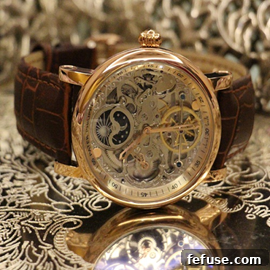
India’s rich cultural tapestry has always been intricately woven with the art of personal adornment. Since time immemorial, as eloquently captured in ancient sculptures and historical accounts, Indians have cherished jewellery not just for its aesthetic appeal but as profound symbols of status, spirituality, and tradition. From the elaborate bajuband (armlets) that graced the arms of royalty to the intricate kamarband (waist belts) that accentuated graceful forms, these traditional accessories were once an indispensable part of daily life and ceremonial attire. However, with the advent of modernity, rapid lifestyle changes, and the increasing influence of global trends, there has been a discernible shift towards more contemporary, practical, and sleek forms of personal expression. In this evolving landscape, watches have masterfully transcended their primary function of time-telling to emerge as a quintessential accessory. They now mirror the prestige and personal statement once solely attributed to traditional jewellery. Once considered a mere necessity, watches have undeniably transformed into powerful status symbols, securing their place as a vital product alongside precious jewellery and other ornaments in India’s vibrant retail sector.
Watches: A Modern Essential and Statement Piece
Watches are increasingly recognized as a significant form of men’s jewellery, a trend underscored by the fact that more men typically own watches than women. For men, whose traditional options for personal embellishment are generally fewer, a watch serves as a primary statement piece, eloquently reflecting their style, success, and individuality. Interestingly, the historical narrative reveals a fascinating evolution: wristwatches were initially developed for women, who elegantly wore them on their wrists or around their necks. Men, in contrast, traditionally carried watches in their pockets, often attached to exquisite gold chains. This historical divergence highlights the timepiece’s journey from a discreet pocket accessory to a prominent wrist adornment, cementing its current status as a fashion imperative for both genders, albeit with a stronger emphasis on male ownership in the luxury segment.
Precious Metals and Prestige: The Foundation of Luxury Watchmaking
In the realm of high-end watches, the choice of precious metal is paramount, dictating not only aesthetic appeal but also symbolic value. In India, Gold and Platinum stand out as the most sought-after metals for luxury timepieces. Gold, deeply ingrained in Indian culture as a symbol of prosperity, auspiciousness, and purity, enjoys immense popularity. Its enduring appeal as both an investment and a cultural touchstone makes it the natural choice for watches that aim to convey affluence and timeless tradition. Platinum, on the other hand, caters to a distinct aesthetic. Celebrated for its brilliant white luster, exceptional hardness, and hypoallergenic properties, it embodies understated luxury and contemporary sophistication. Its rarity and remarkable durability position it as a preferred material for heirloom-quality timepieces, destined to be cherished through generations. A comprehensive understanding of these metal preferences among India’s affluent class is crucial for watch manufacturers and retailers seeking to capture this discerning market segment.
The Indian Watch Market Landscape: Titan’s Dominance and Global Influx
Titan: India’s Watchmaking Pioneer and Multi-Brand Powerhouse
India’s premier watch company, Titan, a distinguished entity within the illustrious Tata Group, perfectly exemplifies the powerful synergy between watchmaking and jewellery. Recognizing the inherent complementarity of these two businesses, Titan has masterfully positioned itself as both a leading watch manufacturer and a prominent jeweller through its Tanishq brand. The company strategically associates its diverse brands with glamour, aspiration, and unparalleled quality, leveraging celebrity endorsements to amplify visibility and desirability across various demographics. In India, the very mention of the word ‘watch’ frequently evokes the image of Titan, a testament to its pervasive market presence and enduring legacy.
Under the expansive Titan umbrella, a meticulously curated portfolio of brands caters to a broad spectrum of consumers, from the value-conscious to the ultra-luxury segment. This impressive roster includes its flagship brand Titan, the youth-centric and trendy Fastrack, the accessibly priced Sonata, the premium and artistic Nebula, the elegantly feminine RAGA, the sophisticated Regalia, the performance-oriented Octane, and the high-end, contemporary Xylys. This astute multi-brand strategy has enabled Titan to assert its dominance in the Indian watch market, offering an unparalleled selection under one roof and democratizing access to sophisticated timepieces for a vast and diverse audience.
The Allure of Global Luxury: Rolex, Cartier, and Piaget
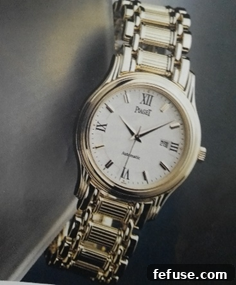
Beyond the success of domestic champions, the Indian market has experienced a significant and growing influx of international luxury watch brands, each bringing its unique heritage, innovative design, and masterful craftsmanship. Iconic brands such as Rolex, Cartier, and Piaget meticulously adhere to a policy of selective distribution, carefully curating their retail presence to preserve an aura of exclusivity and profound prestige. Retailing these illustrious brands offers buyers more than just a product; it provides a luxurious experience, transforming each purchase into a memorable event. To further elevate the customer journey and cultivate enduring relationships, Swiss brand outlets frequently deploy highly trained brand ambassadors who collaborate with retailers, facilitating deeper connections with their discerning clientele. Moreover, a distinctive incentive structure often rewards watch retailers with coveted foreign trips upon the successful achievement of predetermined sales targets, thereby fostering a highly motivated and engaged sales ecosystem. In India, distinguished jewelers like Talwar Jewelers and Meena Jewelers of Hyderabad have successfully ventured into this lucrative luxury segment. Malabar Gold & Diamonds, recognized as one of the largest jewelry retail chains, stands out as an exceptional performer, generating the highest sales value for globally renowned brands such as Rado and Tissot. This success underscores the accelerating integration of luxury watch sales within established, reputable jewelry retail networks.
Elite Retail Destinations: The Watch Bar and Brand Popularity
Specialized luxury watch retail destinations are increasingly carving out a significant niche in India. The Watch Bar in South Mumbai, for instance, has gained widespread acclaim for its exclusive focus on retailing high-end Swiss brands, catering to a clientele that possesses a deep connoisseur’s appreciation for horology. Among jewelers, Rado and Tissot consistently emerge as particularly favored watch brands, enjoying immense popularity owing to their unique positioning, innovative designs, and strong market presence. Rado, in particular, commands substantial popularity not only across India but also in the UAE, a factor that has prompted Malabar Gold & Diamonds to strategically open numerous Rado boutiques in Kerala, further extending the brand’s reach and accessibility within key markets.
India’s Growing Appetite for International Luxury Timepieces
In perfect harmony with global luxury trends, jewel-encrusted watches continue to dominate accessory popularity charts, captivating an increasingly discerning Indian clientele. Leading American, Swiss, and French jewellers, renowned for their centuries-old expertise and meticulous craftsmanship, have consistently created exquisite timepieces that seamlessly blend artistic beauty with unparalleled precision. With an impressive roster of iconic brands such as Cartier, Harry Winston, Favre Leuba, Audemars Piguet, Van Cleef & Arpels, and Piaget having firmly established their presence in India, luxury connoisseurs now enjoy unprecedented opportunities to express their personal style and affluence through a captivating array of classic timepieces. What was once exclusively sought after abroad is now readily available within India’s bustling metropolitan centers, presenting a tantalizing selection for those who embrace luxury as an integral part of their lifestyle.
A remarkable selection of Swiss luxury watch brands, each boasting a rich heritage and distinctive design philosophy, have made substantial inroads into the Indian market, significantly enriching the landscape for high-end horology enthusiasts.
Patek Philippe SA: The Apex of Horological Mastery
Established in 1839 and proudly headquartered in Geneva, Switzerland, Patek Philippe SA is universally revered as a Swiss luxury watch and clock manufacturer of unparalleled prestige and heritage. With an approximate annual revenue of 149 crores USD, Patek Philippe meticulously focuses on crafting exquisitely luxurious and mechanically complicated dress watches. Each timepiece is considered a veritable masterpiece of mechanical engineering and timeless design, embodying the zenith of watchmaking tradition and innovation. These creations are not merely watches; they are often regarded as generational heirlooms, embodying a profound legacy.
Audemars Piguet: Perpetuating Grand Swiss Watchmaking Tradition
Since its inception in 1889, Audemars Piguet has steadfastly perpetuated the grand Swiss watchmaking tradition, earning its place as one of the most admired and highly sought-after names in the global industry. Renowned for its bold, iconic designs and exceptional technical prowess, Audemars Piguet produces approximately 15,000 innovative watches annually. These exceptional timepieces are now readily available across India, with prices ranging from INR 2 lakhs to an astounding INR 2 crores, catering to the most exclusive segment of watch collectors and discerning enthusiasts who appreciate its distinctive blend of avant-garde design and traditional craftsmanship.
Harry Winston: The King of Diamonds’ Timeless Creations
The legendary Harry Winston, famously known as the “King of Diamonds,” was not only a purveyor of the most extraordinary jewels ever created but also a visionary in horology. His enduring legacy extends to timepieces that embody the same unparalleled craftsmanship, opulence, and diamond-setting expertise. Indian clientele can now acquire their share of these magnificent creations, with approximately 1,500 exclusive Harry Winston originals meticulously crafted each year. These exquisite pieces are priced anywhere between INR 2.5 lakhs and INR 35 lakhs, offering a unique fusion of haute joaillerie and high watchmaking that appeals to those seeking ultimate luxury and sparkle.
Van Cleef & Arpels: Poetic Complications and Royal Elegance
Van Cleef & Arpels’ classic watches are synonymous with enchanting elegance and whimsical charm, having graced the wrists of kings, princesses, maharajas, countesses, and celebrities across the globe. Each year, approximately 8,000 Van Cleef watches are meticulously handcrafted, each embodying the brand’s distinctive poetic complications, captivating narratives, and enchanting designs. These exquisite timepieces are available in India, with prices ranging from INR 40,000 to an aspirational INR 1 crore, making them accessible across various luxury tiers and appealing to those who desire a watch that tells a story.
Favre Leuba: A Resurgent Legacy in the Indian Subcontinent
Favre Leuba marks a significant and much-anticipated return to India, reimagined in a sophisticated new avatar that respectfully honors its illustrious 259-year-old tradition. The brand holds a considerable and deeply rooted historical association with India, having been a cherished household name until the late 1950s. Now, it re-enters the market with a sleek, highly sophisticated new look and a contemporary price tag. Producing 30,000 precision timepieces annually, Favre Leuba offers watches priced between INR 15,000 and INR 1.25 lakhs, presenting an attractive proposition for discerning buyers. This compelling offering is widely available at distinguished showrooms across India, including Tribhovan Das Bhimji Zaveri at Zaveri Bazar, Danabhai Jewellers & Sons at Santa Cruz in Mumbai, Hopp – The House of Pearl at South Extension in New Delhi, and the Fashion Folio in Bangalore. Furthermore, new sales counters in Kolkata, Chennai (Madras), and Hyderabad are slated to open shortly, significantly broadening the brand’s footprint and accessibility.
Cartier: A Legacy Forged in Time and Indian Artistry
The name Cartier resonates with a magical lilt, instantly synonymous with the ultimate in luxury jewellery and exquisite timepieces. Since its establishment by Louis-François Cartier in 1847, the company, within just two generations, firmly cemented its reputation as the world’s most prestigious jeweller, captivating the rich, the famous, and the trendsetting across generations with its magnificent and innovative creations.
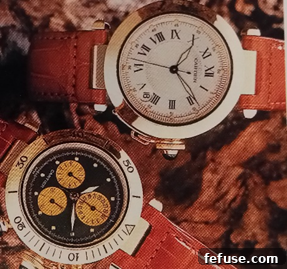
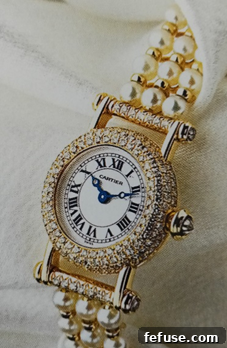
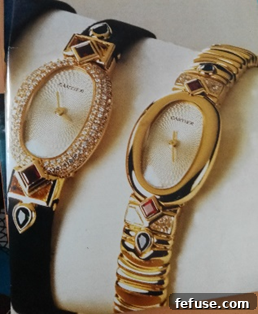
Cartier’s profound and unique connection with India dates back as early as 1911. It was then that the esteemed House of Cartier began receiving numerous bespoke commissions from the opulent Indian Maharajas for an array of magnificent jewellery and elaborate timepieces, including stunning wristwatches adorned with intricate pavé-set diamonds. This special relationship deepened significantly in the 1920s, as Cartier jewellery began to seamlessly incorporate distinctive Indian motifs, intricate patterns, and vibrant colours into its designs, creating an unparalleled fusion of sophisticated Parisian chic and rich Indian artistry. Today, this age-old mutual bond flourishes once again at Ravissant, the exclusive Cartier showroom in New Delhi. Here, a dazzling array of contemporary Cartier jewel watches and high jewellery pieces are elegantly displayed, continually captivating Indian enthusiasts with their brilliance, exceptional craftsmanship, and a subtle yet powerful nod to their shared heritage within the thriving Indian market.
Performance of Watches from Jewellery Outlets: Navigating Challenges and Embracing Evolution
Despite the undeniable synergy and deep historical ties between watches and jewellery, the performance of timepieces retailed through traditional jewellery outlets in India has, at times, presented unique challenges. Several key factors contribute to these performance inconsistencies:
- Limited Market Size Relative to Jewellery: The watch market in India, particularly for its premium and luxury segments, remains relatively nascent when compared to the colossal jewellery market. The estimated size of the premium and luxury watch market is merely INR 1000 crores per annum, a figure that often struggles to justify substantial investment for many jewelers accustomed to the higher turnovers of their core business.
- High Import Duties: Exorbitant import duties levied on watches significantly inflate their retail prices, often making luxury timepieces less accessible to a broader consumer base and consequently impacting sales volumes. While the market demonstrates immense potential for growth, it requires several years to fully mature, prompting jewelers to exercise caution regarding substantial investments in watch stocks.
- Low Profit Margins and Intense Retail Competition: Retailing branded watches is a highly competitive landscape. The aggressive sales strategies of major watch groups, such as the powerful Swatch Group, are relentlessly focused on expanding their retail footprint by opening new doors. This intense competition frequently leads to reduced profit retention for individual jewelers, making the segment less attractive.
- Diverted Interest: Due to the comparatively lower profitability of watch sales when juxtaposed with their core jewellery business, many dealers eventually lose active interest in watch retailing. They often subtly, or sometimes overtly, redirect customers towards purchasing higher-margin jewellery items instead, further impeding the growth of watch sales within these traditional outlets.
Addressing these multifaceted challenges necessitates strategic adaptations within the retail ecosystem. Tissot, for instance, firmly advocates that Indian jewelers must proactively embrace dedicated brand retailing. A jeweler traditionally embodies a dual role – encompassing both manufacturing and retailing – which inherently provides greater control over profit margins and pricing strategies. Therefore, jewelers are advised to exercise careful discretion in selecting appropriate watch brands for their retail portfolios, prioritizing those that offer sustainable profitability, strong brand support, and a clear alignment with their existing customer base. Malabar Gold & Diamonds serves as an exemplary model of successful adaptation; initially retailing watches from their existing jewellery outlets, they have now strategically transitioned towards opening exclusive brand boutiques and multi-brand watch stores, demonstrating a clear and dedicated commitment to the category. Furthermore, they have appointed dedicated Business Heads for their watch division to ensure focused sales efforts, enhanced profitability, and strategic expansion within this specialized segment.
Rolex, the epitome of ultimate luxury and precision, consistently remains the most preferred watch brand among jewelers for retailing in India. Out of 21 authorized Rolex retailers spread across the country, seven are established jewelers, unequivocally highlighting the brand’s strong and enduring affinity with the jewellery sector. However, becoming a prospective Rolex dealer demands a substantial financial commitment, often exceeding INR 5 crores in stock alone, with opening an exclusive boutique requiring an even higher capital outlay. This significant investment underscores Rolex’s premium and exclusive market positioning.
Even venerable traditional jewellery store chains are recognizing and adapting to the evolving market dynamics. TBZ – The Original, a respected name in Indian jewellery, recently ventured into watch retail by launching a private label, TBZ, through an exclusive deal with Karloff and France. This strategic move signifies a broader trend among established jewelers to diversify their offerings, cater to the burgeoning demand for branded timepieces, and explore new avenues for growth.
Indian Market Trends: A Separate Identity and Evolving Consumer Choices
In India, the watch business is increasingly being recognized as a distinct and specialized entity, demanding bespoke attention and tailored strategies. While top-tier jewellery brands have proactively commenced building dedicated watch segments within their stores, many traditional jewelers still need to fully adopt this segmented approach to effectively capitalize on emerging market opportunities.
However, the initial reluctance of some jewelers to fully embrace watch retailing isn’t solely attributable to their conservatism. India’s post-independence economic policies, particularly the government’s stringent prohibition on the import of luxury goods after 1947, significantly stifled the growth and development of the domestic luxury watch industry. Indian industrialists were largely deprived of the crucial opportunities to acquire advanced watchmaking craftsmanship and technology. Consequently, while watches globally evolved through various phases of refinement in design and technological innovation, India remained largely isolated from these advancements until the momentous economic liberalization reforms of 1990. This historical context profoundly explains the initial challenges in educating and convincing Indian consumers about the sophistication, intricate technology, and inherent value of dedicated “jewellery watches.”
For early customers, the concept of a “jewellery watch” was often rather simplistic, typically envisioned as a regular dial merely adorned with a gold strap. It was challenging for them to fully grasp the intricate technology and meticulous craftsmanship embedded within luxury watches. Those few discerning individuals who were aware of international luxury timepieces were often prepared to pay exorbitant prices for these coveted brands, but the broader market required substantial education and exposure to cultivate appreciation. Today, watches have become an almost indispensable necessity for individuals across all economic strata. When making a purchase, price consistently emerges as the most crucial attribute influencing the decision, followed closely by appearance. Multifunctional features such as alarms, stopwatches, and Global Positioning Systems, while desirable, typically rank lower in priority for the average Indian consumer, who often prioritizes core aesthetics and value.
In India, specific cultural occasions hold immense significance and profoundly impact the buying decisions for durable products like wristwatches. Youngsters, in particular, find multiple occasions throughout the year – including festivals, birthdays, graduations, and other personal milestones – that serve as opportune moments for purchasing a new wristwatch. Furthermore, demographic factors such as age, income, and lifestyle, along with the specific attributes of a wristwatch (like brand prestige or design aesthetic), are significantly associated with the buying decisions among this younger demographic, who are increasingly influenced by trends, brand identity, and peer perception. Domestic brands like Sonata have successfully carved a strong niche, renowned for their consistent quality and reliable performance in both domestic and international markets. Customers of Sonata brand wristwatches often express high levels of satisfaction, taking immense pride in owning and wearing a watch perceived as sophisticated, highly reliable, and offering superior performance, demonstrating the significant potential for Indian brands to excel.
While the trend of jewelers retailing watches is gradually gaining traction, with examples like Kalyan Silks retailing Rado from their Cochin stores, and jewelers such as Anupchand Trilokchand in Raipur and Alankar in Patna also stocking timepieces, the sales volumes and profitability from these ventures generally remain low and inconsistent. This situation underscores the persistent need for a more specialized approach and dedicated focus within the watch retail segment to unlock its full potential. Watches have indeed become an almost essential accessory for individuals across all commercial classes. The market today boasts a plethora of different brands of wristwatches, each offering a diverse range of features. Consumers, across varying age groups and income brackets, meticulously consider various factors such as price, quality, appearance, design, water resistance, and brand reputation. Consistently, “price is considered as the highest importance than the other attributes when selecting the wristwatch and the appearance is the next important factor they considered when selecting a wristwatch,” highlighting the consumer’s deep desire for both intrinsic value and aesthetic appeal.
Conclusion: The Bright Future of India’s Watch Market
The watches segment is undeniably one of the largest and most rapidly expanding categories within India’s dynamic luxury goods space. The luxury and premium watch market alone accounts for nearly a third of the estimated INR 2750 crore luxury products market, exhibiting an impressive year-on-year growth rate exceeding 20 percent. This robust expansion is fueled by an increasing number of dedicated retail shops, greater consumer awareness, and a growing understanding among patrons of the nuances and distinct identities of various watch brands. As a result, the market for the ‘jewellery watch’ segment – a sophisticated blend of functional timepiece and exquisite adornment – is unequivocally poised to reach new horizons.
Global luxury brands such as Cartier, Piaget, and Chopard are strategically establishing their exclusive boutiques, offering immersive brand experiences that resonate with their discerning clientele. Concurrently, other prominent retailers like Bucherer are successfully operating multi-brand boutiques that skillfully combine the sale of both watches and fine jewellery, catering to diverse preferences under one sophisticated roof. For jewelers, associating with reputable watch brands offers a multitude of tangible benefits. These brands lend immense credibility and prestige to an outlet, instantly instilling confidence and security in customers making significant purchases. Moreover, watches, predominantly purchased by men, can significantly increase footfalls in jewellery stores, effectively generating incremental revenues from existing buyers and attracting new clientele who might otherwise not frequent a traditional jewellery establishment. Beyond mere utility or status, people increasingly seek wristwatches for profound personal expression, enhanced self-esteem, and to elevate their overall aesthetic, viewing them as integral to crafting a refined personal identity. There is a deep and pervasive sense of pride associated with wearing a quality timepiece.
Industry experts believe that over the forthcoming forecast period, manufacturers will intensify their efforts to increase market penetration, aiming to reach wider audiences across diverse demographics. This expansion will be complemented by a continuous launch of innovative new designs, strategically intended to broaden their customer base and cater to evolving tastes. Furthermore, top Indian watch brands are stepping up their game, offering unique designs infused with international features and styles, all while maintaining reasonable and highly competitive price points. This harmonious confluence of global luxury and accessible domestic innovation signals a vibrant and promising future for the Indian watch market, solidifying its position as a dynamic and influential player on the world horological stage.