
In the dynamic world of retail, understanding consumer preferences is paramount, especially within the fiercely competitive value fashion segment. A recent comprehensive survey has cast a revealing light on which discount retailers are currently capturing the hearts and wallets of American shoppers. The findings, compiled by Norcross, Ga.-based Market Force Information, surveyed an impressive 10,000 consumers, asking them to evaluate seven prominent value retailers based on a variety of critical factors.
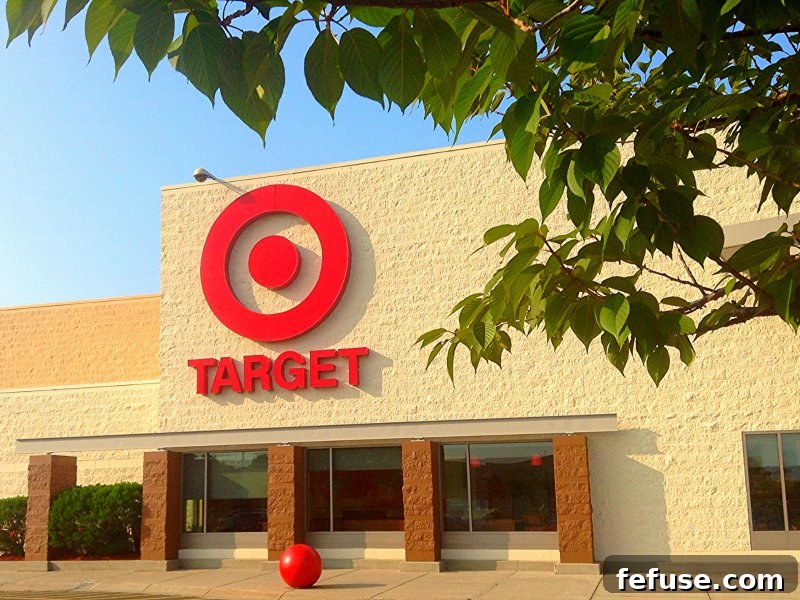
The survey unequivocally identified T.J. Maxx and Target as the reigning champions among American consumers for value fashion. This dual leadership underscores a fascinating split in consumer loyalty within the discount retail space. While both brands excel, the poll also revealed interesting shifts in consumer perception over the past year. Target, a perennial favorite for its blend of style and affordability, saw its consumer perception rise, signaling an enhanced appeal. Conversely, T.J. Maxx, which has historically dominated such surveys with its unique “treasure hunt” model, experienced a slight dip in its ratings. This subtle shift highlights the ever-evolving nature of consumer expectations and the constant need for retailers to adapt and innovate.
The competitive landscape, however, extends beyond these top two. Nordstrom Rack emerged as a strong contender, securing a very close third place, indicating its growing influence in the premium-discount market. Following closely were Burlington, Marshalls, and Ross Stores, which held the fourth, fifth, and sixth positions respectively. These retailers, each with their own distinct business models, continue to play significant roles in meeting the demand for affordable fashion. At the bottom of the list, Walmart, despite its massive market presence and reputation for low prices, ranked dead last in this specific value fashion retailer survey, prompting deeper questions about how consumers define “value” in the modern retail environment.
What Drives Consumer Choices in Value Fashion?
The Market Force Information poll delved deeper than just overall satisfaction, identifying several key factors that consumers prioritize when selecting a value fashion retailer. These include:
- Selection: The breadth and depth of product offerings.
- Store Atmosphere: The overall shopping environment and experience.
- Value for Money Spent: The perceived worth of products relative to their price.
- Speed of Checkout: Efficiency and convenience at the point of purchase.
- Ability to Create a Look: The ease with which shoppers can find coordinating items to build outfits.
- Ability to Find a Correct Size: The availability and organization of sizing options.
- Ease of Finding What You Are Looking For: The intuitive layout and merchandising of the store.
These priorities collectively paint a picture of a discerning consumer who expects more than just cheap prices. They seek a holistic shopping experience that combines convenience, choice, and a pleasant environment, all while feeling they receive genuine value for their investment.
Performance Across Key Criteria: Surprising Insights
Analyzing individual performance across these critical factors yielded some surprising results. For instance, in the realm of selection, Burlington soared to the top, praised for its extensive range of products, while Walmart once again languished at the bottom. This suggests that while Walmart offers a vast array of goods, its fashion selection may not resonate as strongly with value-conscious fashion shoppers.
Perhaps the most thought-provoking finding concerned store atmosphere. Target distinguished itself by scoring highest in this category, known for its clean, well-lit, and generally inviting shopping environments. Walmart, conversely, registered the lowest score. This particular insight challenges traditional perceptions of value retailing, where atmosphere might historically have been considered a secondary concern compared to price.
It might indeed seem counterintuitive that “atmosphere” ranks so highly for consumers seeking value. After all, discount retailers are not typically celebrated for opulent decor or luxurious shopping experiences. However, as Brad Christian, chief customer officer for Market Force Information, explains, the landscape of retail has fundamentally shifted. “Just hanging products in a warehouse is not enough to keep your customer base coming back,” Christian asserts. In an age where consumers can effortlessly find and purchase almost any item online from the comfort of their homes, the physical store must offer something more compelling. The brick-and-mortar visit needs to be an enjoyable, engaging, and perhaps even inspiring outing. Christian draws a stark parallel, noting, “If you are Toys R Us, and you are in debt, and you can’t make your stores’ atmosphere better, you are going to go bankrupt.” This powerful statement underscores the existential threat faced by retailers who fail to prioritize the in-store experience, even in the value segment.
The Nuance of “Value for Money”: More Than Just Low Prices
When it came to the crucial criterion of “value for money spent,” consumers delivered another insightful verdict. Ross Stores took the top spot, demonstrating that it excels at convincing shoppers they are getting excellent worth for their dollar. And, for the third time, Walmart found itself at the bottom of the rankings for this specific metric.
Christian elaborates on this intriguing finding, emphasizing that the “value equation is really interesting.” He points out a common misconception: “Most people, when you talk about value for money, would think that the low-priced leaders are going to win. But Walmart was ranked lowest in value for money spent. You would think they would be on top, but they’re not.” This stark contrast highlights a critical lesson for retailers: price alone does not equate to value in the consumer’s mind. “Value does not necessarily equal just low price,” Christian continues. “You have to deliver something of value.” This “something of value” can encompass a multitude of factors, including perceived quality, uniqueness of selection, customer service, and the overall satisfaction derived from the purchase and shopping journey. For many consumers, a slightly higher price for a product that offers better quality, longevity, or a more pleasant shopping experience is perceived as better value than a rock-bottom price for an item of questionable worth or a frustrating shopping trip.
The “Treasure Hunt” Experience: A Winning Strategy
The survey’s findings consistently point to one overarching theme: the value retailers that scored best are those that successfully offer an enriching experience for consumers. In particular, the concept of a “treasure hunt” for good deals emerged as a powerful differentiator. Retailers like T.J. Maxx, Marshalls, and Ross Stores have mastered this model, where shoppers embark on a journey of discovery through constantly rotating inventory, often unearthing unique and high-quality items at surprisingly low prices.
“That experience resonates more than rows and rows of stuff for cheap,” Christian observes. The thrill of finding a designer item at a fraction of its original price, or stumbling upon a one-of-a-kind piece, creates a sense of excitement and accomplishment that transcends a mere transaction. This psychological engagement fosters loyalty and provides a compelling reason for consumers to visit physical stores. As Christian succinctly puts it, “If people can buy the same stuff online, why should they go to your store? They go because you create an experience.” This experience becomes the differentiator, a powerful antidote to the convenience of e-commerce. It transforms shopping from a chore into an adventure, offering unpredictability and the potential for a delightful surprise with every visit.
In a world dominated by instant gratification and endless online catalogs, the “treasure hunt” model provides a refreshing counter-narrative. It taps into a fundamental human desire for discovery and the joy of a good find. Retailers that cultivate this atmosphere, combining elements of serendipity with genuine value, are the ones poised for long-term success in the competitive value fashion market.
The Future of Value Retail: Beyond Price Tags
The insights from Market Force Information’s latest survey offer invaluable lessons for the entire retail industry. They highlight a significant paradigm shift in consumer behavior, where the definition of “value” has evolved beyond mere low prices. Today’s value fashion consumer is sophisticated, demanding a blend of affordability, quality, selection, and, crucially, an engaging and pleasant shopping experience. The success of retailers like Target and the enduring appeal of the “treasure hunt” model practiced by T.J. Maxx and Ross demonstrate that investing in store atmosphere, customer service, and a unique retail proposition is no longer a luxury but a necessity, even for discount brands.
Interestingly, a previous Market Force Information survey focused on consumer perceptions of upscale fashion retailers, with Nordstrom emerging at the top. This symmetry between the value and upscale segments – where both top-performing retailers prioritize experience and perceived value – underscores a universal truth in modern retail: regardless of price point, consumers crave a positive and fulfilling interaction with brands. As the retail landscape continues to evolve, adapting to these nuanced consumer expectations, and understanding that experience is the new currency of loyalty, will be critical for any retailer aspiring to thrive.