
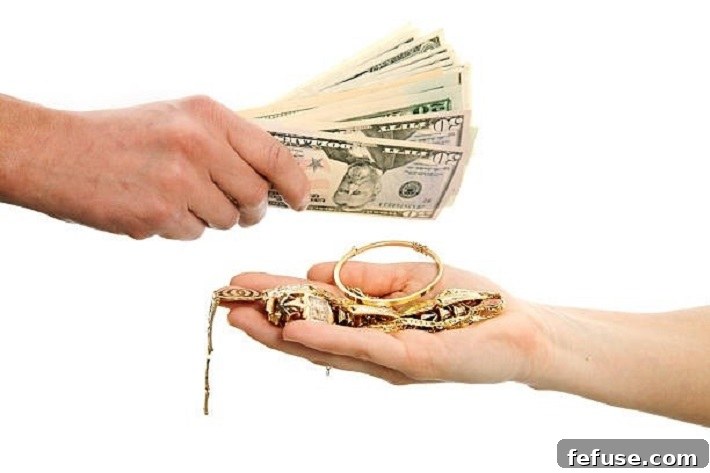
Jewelry, often more than just an adornment, holds profound significance in many lives. It can be a tangible link to cherished memories, a symbol of love, or a valuable asset passed down through generations. However, even the most treasured pieces are susceptible to the passage of time, accidents, or changing styles. When a beloved ring loses a stone, a necklace breaks its clasp, or a vintage brooch simply no longer fits contemporary fashion, a common and often perplexing question arises: Is it worth selling broken or damaged jewelry? This article delves into the intricate considerations surrounding this decision, offering a comprehensive guide to help you navigate the process with confidence and clarity.
Thoroughly Assessing the Condition of Your Jewelry
Before embarking on any decision about selling or repairing damaged jewelry, a meticulous and honest assessment of its current condition is paramount. The nature and extent of the damage can significantly influence an item’s potential value and the viability of various selling avenues. What might appear as a minor flaw to the untrained eye could, in fact, be an easily rectifiable issue, while seemingly superficial damage might indicate deeper structural problems. Taking the time to thoroughly inspect your piece will lay the groundwork for an informed decision.
Begin your assessment in a well-lit area, preferably with a magnifying glass, to scrutinize every detail. Look beyond the obvious breaks or missing components and consider the overall integrity of the piece. Does the metal show signs of extreme wear, discoloration, or corrosion? Are all stones securely set, or are some loose, scratched, or chipped? Even the smallest details can contribute to or detract from an item’s worth. Consider these critical factors during your evaluation:
- The Extent of Damage: Categorize the damage. Is it superficial (e.g., light scratches, minor dents, tarnishing) or structural (e.g., broken shanks, bent prongs, deep cracks, snapped chains)? Extensive structural damage often requires more costly repairs and can severely impact value if not addressed. For instance, a simple broken clasp on a gold chain is far less detrimental than a complete break in the chain itself or a deeply fractured main gemstone.
- The Type of Damage: Different types of damage have varying implications. Missing stones, especially if they were precious or semi-precious, can significantly reduce value unless they can be replaced affordably. Bent or misshapen metal might indicate a need for professional reshaping, which can be complex depending on the metal type and design. Deep scratches or abrasions on highly polished surfaces can often be buffed out, but may reduce the overall weight slightly.
- The Overall Condition and Wear: Beyond specific damage points, assess the general wear and tear. Is the jewelry heavily worn from years of use? Are the settings loose? Are there signs of previous repairs that might not have been done professionally? A piece that is generally well-maintained, even with some damage, may hold more appeal than one that is neglected and heavily worn across its entirety.
- Any Potential Repair Costs and Feasibility: While you might not know exact repair costs at this stage, consider the feasibility. Is the damage repairable without compromising the integrity or aesthetic of the original design? Sometimes, repairs can be so extensive or costly that they outweigh the intrinsic value of the piece. A local jeweler can often provide an initial, informal assessment of repairability without a full appraisal.
A thorough assessment helps you understand not just what’s wrong with the jewelry, but also its potential for restoration or its inherent value even in a damaged state. This initial step is indispensable for setting realistic expectations and guiding your subsequent decisions.
Key Factors to Consider When Deciding to Sell Damaged Jewelry
The decision to sell damaged jewelry is rarely straightforward. It involves weighing a blend of financial practicality, emotional attachment, and market dynamics. Understanding these factors comprehensively will empower you to make the most advantageous choice for your specific situation. Each piece of jewelry has its unique story and composition, making a one-size-fits-all answer impossible.
- Repair Costs vs. Potential Resale Value: A Financial Calculation
This is often the most critical financial consideration. You need to objectively compare the estimated cost of repairing the jewelry to its potential market value once restored. In many cases, particularly with costume jewelry or items made from less valuable materials, repair expenses can quickly surpass the item’s inherent worth. For instance, replacing a rare or large gemstone might cost more than the value of the entire piece of jewelry itself. It is advisable to obtain at least two or three repair estimates from reputable jewelers. Simultaneously, seek preliminary valuations or estimates of the jewelry’s worth in its repaired state. This might involve consulting an appraiser or researching similar items. If the repair costs significantly diminish or even exceed the potential resale profit, selling the item for its scrap metal value or parts might be a more economically sound decision. Remember, the goal is to maximize your return, whether that means a restored piece or a cash sale for its components. - The Enduring Power of Sentimental Value: Beyond Monetary Worth
For many, jewelry transcends its material composition, holding deep emotional and historical significance. An engagement ring passed down from a grandmother, a watch commemorating a special achievement, or a necklace gifted by a loved one may possess an irreplaceable sentimental value that far outweighs its monetary worth, even if it’s damaged. If the jewelry embodies cherished memories or family heritage, its financial value might become a secondary concern. In such instances, you might opt to keep the piece, perhaps having it repaired for personal enjoyment, repurposed into a new design, or simply stored as a treasured heirloom. Selling such an item, regardless of its financial potential, could lead to regret. It’s essential to honestly assess whether the emotional connection makes parting with the item too difficult, regardless of the potential payout. - Market Demand: Tapping into Current Trends and Desirability
The current market demand for a particular style, era, or material can significantly impact its resale value, even if the item is damaged. Certain designs, vintage pieces, or materials may be highly sought-after by collectors or fashion enthusiasts, allowing them to fetch a higher price despite requiring repairs. Research current jewelry trends: is vintage jewelry popular? Are certain gemstones or metal finishes in vogue? Platforms like Etsy, eBay, and specialized antique jewelry sites can offer insights into what’s currently selling well. Consider factors like the item’s era (Art Deco, Victorian, Mid-Century Modern), its uniqueness, and how well it fits into contemporary fashion or collecting niches. High demand can create a buffer against the depreciation caused by damage, as buyers might be willing to pay more knowing they can restore a desirable piece. - Materials and Metals: The Foundation of Intrinsic Value
The intrinsic value of jewelry often hinges on its constituent materials, particularly precious metals and gemstones. Gold, silver, platinum, and palladium retain significant value even when damaged, primarily due to their weight and purity. Understanding the karat (for gold), sterling mark (for silver), or purity stamp (for platinum/palladium) is crucial. Higher purity and greater weight directly translate to higher scrap value. For gemstones, assess their type (diamond, ruby, sapphire, emerald), size (carat weight), clarity, color, and cut. Even a damaged setting with a high-quality, undamaged gemstone can still be very valuable. Fluctuations in the global commodity markets for precious metals mean that the “spot price” can change daily, impacting the immediate value. Knowing these details about your jewelry’s composition is fundamental to estimating its base worth. - Designer or Brand Recognition: The Premium of Provenance
Jewelry from esteemed designers or renowned brands often commands a premium that can cushion the impact of damage. Brands like Tiffany & Co., Cartier, Van Cleef & Arpels, or Bvlgari have a strong legacy, craftsmanship, and desirability that often transcends the physical condition of the piece, especially for collectors. A damaged piece from a high-end designer might still be valuable due to its rarity, historical significance, or the brand’s iconic status. Authenticity is paramount here; provenance (original boxes, certificates, receipts) significantly enhances value. Research the designer or brand of your jewelry. Is it a well-known name in the jewelry world? Does it have a loyal following? Even if heavily damaged, such pieces might be acquired by collectors for restoration or as a testament to the brand’s history, often fetching more than their pure material value.
Exploring Your Options for Selling Damaged Jewelry
Once you’ve thoroughly assessed your damaged jewelry and considered the various influencing factors, the next step is to explore the most suitable selling channels. The optimal choice will depend on the item’s value, the extent of the damage, your desire for convenience, and your expectations for return. There are several distinct avenues, each with its own advantages and disadvantages, tailored to different types of jewelry and seller preferences. Researching the best places to sell jewelry based on your specific needs and preferences is key to a successful transaction.
- Local Jewelry Buyers and Pawn Shops: Immediate, Convenient Solutions
Visiting local jewelers, pawn shops, or specialized gold buyers offers the advantage of immediate assessment and a quick cash transaction. These establishments are often equipped to evaluate damaged items and can provide an on-the-spot offer. Local jewelers might see potential for repair and resale, offering a price that reflects this, while pawn shops typically focus on the scrap metal value or a conservative estimate of the item’s worth if they were to resell it quickly. The convenience of a face-to-face transaction and avoiding shipping hassles is a significant draw. However, it is crucial to obtain quotes from multiple buyers to ensure you are receiving a fair market price. Without comparison, you risk underselling your item. Be prepared to negotiate and understand that these buyers need to make a profit, so their initial offer will likely be below the item’s maximum potential value. - Online Marketplaces: Reaching a Wider Audience
Online platforms such as eBay, Etsy (for vintage or repurposed items), and specialized jewelry resale websites offer access to a vast global audience of potential buyers, which can lead to higher selling prices. This option is particularly suitable for items with unique characteristics, designer provenance, or a strong market demand that local buyers might not recognize. When selling online, transparency is vital: provide detailed descriptions, multiple high-quality photographs from various angles (highlighting both the beauty and the damage), and clear disclosure of the item’s condition. Being honest about flaws builds trust with potential buyers. Researching comparable listings to set a competitive price is also essential. Be aware of platform fees, shipping logistics, potential returns, and the need for secure payment processing. For higher-value items, consider insured shipping and professional photography. - Jewelry Repair Services: A Path to Restoration or Part Salvage
While primarily focused on restoration, some jewelry repair shops also engage in buying damaged jewelry. They might acquire pieces for the purpose of salvaging valuable components like gemstones or unique metalwork, or with the intention of repairing and reselling the item themselves. If your jewelry contains high-quality diamonds, precious colored gemstones, or significant amounts of precious metals, a repair shop might be interested in purchasing it for its constituent parts. This can be a practical option if the damage is severe and full restoration is deemed too costly or impractical. Furthermore, some repair shops might offer a trade-in value against a new purchase or another repair service, providing an alternative form of compensation. Inquire if they have a buying program or offer such trade-in options. - Gold and Silver Refiners: Maximizing Metal Value
For severely damaged jewelry where sentimental value is absent and repair is not feasible, selling to a gold and silver refiner often represents the most straightforward way to extract its intrinsic metal value. Refiners specialize in melting down precious metals and separating them from other components, such as non-precious metals or embedded stones. They typically base their offers on the current spot price of the metal, its purity (karatage for gold, sterling for silver), and its exact weight, minus a refining fee. While you might not achieve the highest possible price per gram compared to selling a fully intact, desirable piece, refiners offer a transparent and efficient process for liquidating the raw material. This option is particularly recommended for scrap gold, broken chains, single earrings, or pieces that are beyond economic repair. Always choose a reputable refiner and understand their pricing structure. - Charitable Donations: Giving Back with Potential Tax Benefits
If the monetary value of your damaged jewelry is low, or if your primary motivation is philanthropy rather than financial gain, donating it to a charitable organization can be a rewarding option. Many charities accept jewelry donations, which they may sell in thrift stores, auction off, or even repurpose. While you won’t receive direct monetary compensation, you may be eligible for a tax deduction, provided you itemize your deductions. For significant donations, obtaining a written appraisal of the jewelry’s fair market value from a qualified professional is crucial for tax purposes. Always confirm the charity’s policy on accepting jewelry and their process for providing a tax receipt. This option allows you to support a worthy cause while potentially gaining a tax advantage, turning an unwanted item into a positive contribution. Additionally, for specific regional needs, you might find local jewelry buyers or charities that specialize in accepting and evaluating such donations.
Making Your Informed Decision: Final Thoughts on Damaged Jewelry
The journey of deciding what to do with broken or damaged jewelry is multifaceted, blending financial considerations with personal sentiments and market realities. There is no universally correct answer, as the best path forward is deeply personal and contingent on the unique characteristics of your specific piece and your individual priorities.
By meticulously assessing the condition of your jewelry, understanding the various factors that influence its worth—from repair costs and sentimental significance to market demand, material composition, and designer provenance—you equip yourself with the knowledge needed to make a strategic choice. Exploring the diverse selling options, from local buyers and online marketplaces to refiners and charitable donations, further empowers you to select the channel that aligns best with your goals, whether that’s maximizing financial return, preserving a cherished memory, or contributing to a cause.
Ultimately, whether selling damaged jewelry is “worth it” boils down to a personal equilibrium between financial gain, emotional attachment, and practical feasibility. Take your time, conduct thorough research, seek professional opinions where necessary, and carefully weigh all available options. Remember, the most important outcome is to arrive at a decision that feels right for you, honoring both the inherent value of your jewelry and your personal connection to it. An informed decision is a confident decision, ensuring that your damaged treasures find their next meaningful chapter, whatever that may be.