
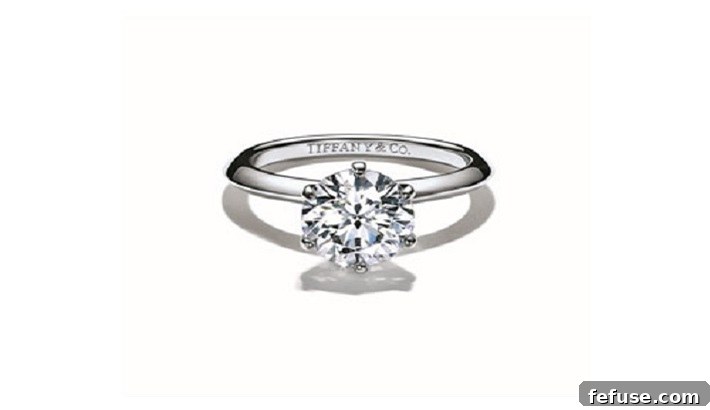
Tiffany & Co. Shines Bright: Historic Holiday Season Sales Mark a Resilient Performance
In a powerful demonstration of its enduring brand appeal and strategic agility, Tiffany & Co., the world-renowned luxury jeweler based in New York, achieved an extraordinary milestone during the 2020 holiday season. The company proudly announced preliminary sales figures for the crucial period from November 1st through December 31st, 2020, revealing an all-time high in net sales for any holiday period throughout its long and distinguished history. This remarkable achievement is particularly noteworthy as it unfolded against the formidable backdrop of a worldwide pandemic, a crisis that presented unprecedented challenges and dynamic impacts across global markets.
The luxury sector, often among the first to feel the tremors of economic uncertainty, faced immense pressure in 2020. Yet, Tiffany & Co.’s ability to not only maintain but significantly elevate its performance during the peak holiday shopping window underscores the profound effectiveness of its multi-year strategic initiatives and its swift, intelligent adaptation to rapidly shifting consumer behaviors. The preliminary results indicate a commendable approximate 2% increase in overall sales compared to the same period in 2019, firmly establishing a new benchmark for the iconic luxury brand’s holiday season performance and signaling its robust health in a challenging environment.
Navigating a Diverse Global Market: Regional Performance Insights
While the overarching narrative for Tiffany & Co. during the 2020 holiday season was one of impressive growth and record-breaking success, a closer examination of its regional sales performance unveils a nuanced global picture. The company experienced significantly contrasting trends across different geographical segments, vividly highlighting the varied impacts of the pandemic and the diverse market dynamics at play worldwide.
Western Markets Experience Headwinds
In its foundational Western markets, Tiffany & Co. encountered substantial headwinds. Sales in the Americas, traditionally a cornerstone market for the luxury jeweler, registered a year-on-year decline of approximately 5%. Similarly, Europe, another key region, saw an even more pronounced reduction, with sales dropping by about 8% compared to the previous year. These declines can be attributed to several interconnected factors prevalent in these regions during late 2020. Widespread lockdowns, stringent public health measures, and travel restrictions led to extensive store closures, drastically reduced foot traffic in prominent retail locations, and a significant curtailment of international tourism, which typically accounts for a substantial portion of luxury purchases in major European and American cities. Furthermore, consumer confidence, battered by economic uncertainties and pervasive health concerns, likely led to a more cautious approach to discretionary spending on high-value luxury items.
Asia Pacific: The Engine of Global Growth
In stark contrast to the challenges faced in the West, the Asia Pacific region emerged as an undisputed powerhouse of growth for Tiffany & Co., serving as the primary catalyst for the company’s overall positive global performance. This dynamic region collectively delivered an impressive increase of approximately 20% compared to the prior year – a remarkable achievement in any economic climate, let alone amidst a global crisis. The overwhelming driving force behind this phenomenal regional growth was the Chinese Mainland market, which alone recorded an astonishing increase of more than 50% from the previous year. This extraordinary surge reflects not only China’s rapid economic recovery and effective management of the pandemic but also the burgeoning affluence of its vast consumer base and a powerful domestic demand for luxury goods, particularly as international travel options remained severely restricted. Chinese consumers, historically significant contributors to global luxury sales, redirected their considerable purchasing power to domestic channels, greatly benefiting luxury brands with a strong, localized presence like Tiffany & Co.
Beyond the Chinese Mainland, other key Asia Pacific markets also made substantial contributions to the regional upswing. Japan, a mature and sophisticated luxury market known for its discerning clientele, demonstrated robust and stable performance with sales increasing by approximately 8% from the prior year. This consistent growth in Japan underscores the enduring loyalty of its consumers to established luxury brands and reflects the market’s resilience and perhaps a quicker adaptation of retail strategies to the new normal of consumer engagement.
Strategic Pillars of Success: Insights from CEO Alessandro Bogliolo
Alessandro Bogliolo, Chief Executive Officer of Tiffany & Co., offered critical insights into the convergence of strategies that ultimately produced these historic preliminary holiday sales results. He meticulously emphasized that these achievements were far from coincidental; rather, they were the successful culmination of multi-year sales strategies that had been meticulously initiated in 2017. Bogliolo articulated four pivotal pillars that underpinned the company’s resilient performance and significant growth during this exceptionally challenging period, proving the foresight embedded in Tiffany’s long-term vision:
- Focused Growth in the Chinese Mainland: The proactive and aggressive expansion, coupled with deep market penetration strategies in the Chinese Mainland, proved exceptionally fruitful. With an increase exceeding 50%, this market undeniably served as the primary engine for Tiffany’s global sales growth. The company’s strategic investment in localized marketing campaigns, culturally relevant product offerings, and a robust physical and digital retail presence allowed it to capitalize fully on the region’s strong consumer demand and unique digital ecosystem.
- E-commerce Dominance and Digital Transformation: Digital transformation was an absolutely critical component of Tiffany’s triumph. E-commerce sales witnessed an extraordinary, unprecedented surge of over 80% compared to the previous year. This impressive growth highlights the company’s foresight in investing heavily in its online platforms, ensuring a seamless, luxurious, and secure digital shopping experience. The rapid and widespread shift to online channels became paramount as physical retail locations faced extensive restrictions, vividly demonstrating Tiffany’s successful adaptation to the digital-first consumer environment and its commitment to omnichannel excellence.
- Increasing Average Unit Retail Prices: The ability to command higher average unit retail prices suggests a successful strategy in offering highly desirable, high-value pieces and potentially indicates a shift in discerning consumer preference towards more significant, investment-worthy luxury items during uncertain times. This reflects exceptionally strong brand equity and a confident consumer base willing to invest in premium, heirloom-quality jewelry, thus reinforcing the brand’s perceived value, exclusivity, and enduring allure.
- Accelerating Product Innovations: Continuous and dynamic innovation in product design and offerings played a vital role in keeping the Tiffany brand fresh, relevant, and highly appealing to both existing and new customers. By consistently introducing new collections, unique designs, and perhaps limited-edition collaborations, Tiffany was able to generate significant excitement, cater to evolving tastes, and attract a broader demographic of luxury buyers. This unwavering commitment to innovation is indispensable for maintaining a leading edge and differentiating itself in the fiercely competitive global luxury jewelry market.
Bogliolo further highlighted that the positive sales momentum observed in the third quarter of 2020 successfully carried through to the entire holiday period for both the Americas and Japan. While the Americas still recorded a year-on-year decline for the complete holiday period, the sustained positive momentum from Q3 indicated a notable recovery trend towards the end of the year, showing promising signs of market stabilization and renewed consumer engagement in these critical Western regions.
The 2017 Strategic Vision: A Proven Blueprint for Resilience
The Chief Executive Officer reflected profoundly on the corporate strategies meticulously put in place in 2017, acknowledging with candidness that the past year had “certainly stress tested” these foundational plans. These comprehensive strategies were specifically designed to strengthen the Tiffany brand globally and to ensure its unwavering competitive edge in the fiercely contested luxury jewelry market. The unprecedented challenges of 2020 – encompassing a global health crisis, widespread economic disruptions, and fundamental shifts in consumer behavior – served as the ultimate proving ground for these strategic choices, validating their robustness and foresight.
The resounding success of the 2020 holiday season unequivocally affirms that Tiffany’s multi-year approach, which deliberately focused on crucial areas such as aggressive digital transformation, strategic market diversification (especially towards high-growth Asian markets), and consistent, compelling product innovation, was not merely robust but proved to be exceptionally resilient and adaptable. This profound strategic foresight enabled the company to pivot effectively, leverage its unparalleled brand heritage and enduring legacy, and meet consumers precisely where they were, whether online through sophisticated digital channels or in specific, high-growth geographical regions like the Chinese Mainland.
Strengthening the brand involved a holistic and multi-faceted approach that likely encompassed revitalizing brand messaging for modern audiences, significantly enhancing the customer experience across all physical and digital touchpoints, and ensuring the brand’s continuous relevance to a new generation of luxury consumers while meticulously retaining its traditional, loyal clientele. This comprehensive strategic groundwork, meticulously laid out years prior, empowered Tiffany & Co. to navigate the turbulent waters of 2020 with remarkable success, demonstrating not just resilience and survival, but substantial, record-breaking growth and market leadership.
Tiffany’s Enduring Luster: Implications for the Luxury Jewelry Market
Tiffany & Co.’s record-setting holiday performance sends a clear and resounding message to the broader luxury jewelry market: adaptability, superior digital prowess, and a deep, nuanced understanding of global market dynamics are absolutely paramount for sustained success in the post-pandemic era. The extraordinary growth witnessed in e-commerce suggests a permanent and fundamental shift in consumer purchasing habits, emphasizing the critical need for luxury brands to invest continuously and substantially in sophisticated online experiences that flawlessly mirror the exclusivity, personalized service, and aspirational allure traditionally found in their physical boutiques.
Furthermore, the pivotal role played by the Chinese Mainland and other dynamic Asian markets unmistakably underscores the ongoing eastward shift in global luxury consumption power. Brands aspiring for global leadership must develop highly tailored, region-specific strategies for these vital markets, diligently acknowledging their unique cultural nuances, distinct digital ecosystems, and evolving consumer preferences. Persistent and meaningful product innovation remains absolutely critical to engage discerning buyers and maintain competitive advantage, while simultaneously upholding high average unit retail prices reinforces brand prestige, perceived value, and an unwavering commitment to unparalleled quality.
As the world continues its intricate journey of economic recovery and navigates evolving consumer landscapes, Tiffany & Co.’s truly exceptional 2020 holiday season success stands as a brilliant beacon of resilience, strategic excellence, and visionary leadership within the global luxury sector. It powerfully highlights the immense potential for luxury brands to not only thrive but to achieve unprecedented growth even amidst profound adversity, provided they possess a clear, forward-thinking vision, an unyielding commitment to digital transformation, and the organizational agility to adapt swiftly and effectively to rapid global changes and emergent opportunities.
Source: GJEPC