
Tiffany & Co. Doubles Down on China: A Strategic Masterclass in Local Luxury Engagement
Tiffany & Co., the iconic American luxury jeweler, is embarking on an ambitious and comprehensive expansion strategy within mainland China. This decisive move is designed to capitalize on a significant and evolving trend among Chinese consumers: a pronounced shift towards local purchasing of high-end goods. In a recent call with analysts, CEO Alessandro Bogliolo underscored China’s pivotal role, stating, “We have made decisions [over] the past 18 months [about] mainland China, a key strategic market, which, from the beginning of this journey we have identified to receive a high level of management focus and investment.” This strategic commitment signals Tiffany’s intent to solidify its position in what is arguably the world’s most dynamic luxury market.
The jeweler’s multi-pronged approach includes the opening of new, strategically located retail stores, the highly anticipated launch of its immersive Blue Box Cafe, and the introduction of an expanded range of exquisite fine jewelry collections directly onto the mainland. This holistic strategy aims not only to meet the burgeoning local demand but also to cultivate deeper brand loyalty and provide unparalleled access to Tiffany’s coveted offerings for Chinese clientele.
The Evolving Landscape of China’s Luxury Market: A New Era of Local Consumption
While Tiffany’s overall sales across the Asia Pacific region saw a modest 1% year-on-year decline to $298 million in the second quarter, a deeper dive into the numbers reveals a compelling story. Bogliolo specifically highlighted that the company recorded strong double-digit growth among local Chinese consumers. This divergence underscores the potent trend of domestic luxury spending, a phenomenon amplified by various factors including global travel restrictions, a growing sense of national pride, and the increasingly sophisticated retail infrastructure within China.
The shift towards local purchasing is not merely a temporary blip; it represents a fundamental recalibration of consumer behavior. Previously, many affluent Chinese consumers would travel to international hubs like Hong Kong, Paris, or New York to purchase luxury items, often driven by price arbitrage or the allure of an overseas shopping experience. However, with heightened global uncertainties and a concerted effort by the Chinese government to stimulate domestic consumption, along with a narrowing of price gaps, the incentive to shop abroad has diminished significantly. This new reality has created a golden opportunity for brands like Tiffany to capture a greater share of the luxury market directly within China’s borders.
Tiffany’s Bold Strategic Play in China: A Multi-Faceted Approach
Tiffany’s strategy is meticulously crafted to address this evolving market dynamic, focusing on accessibility, exclusivity, and experiential engagement.
Expanding the Retail Footprint: Strategic Locations for Maximum Impact
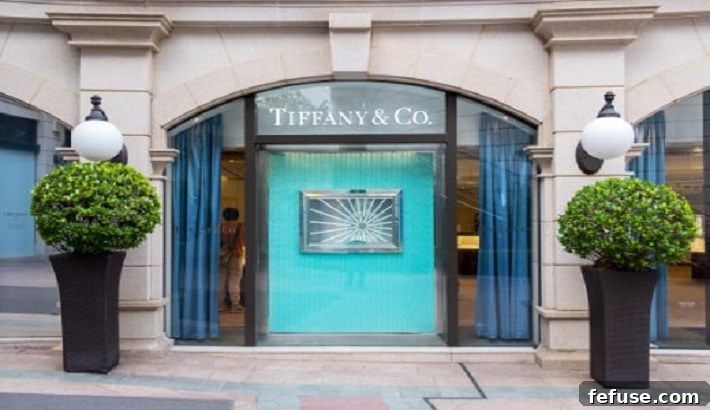
A cornerstone of Tiffany’s expansion is the significant enhancement of its physical retail presence. The company plans to open new stores in both Beijing and Shanghai, targeting the most prominent and high-traffic luxury shopping destinations within these megacities. These flagship-level stores are designed to offer a premium shopping experience, reflecting Tiffany’s global brand image while catering to local preferences.
Beyond traditional luxury malls, Tiffany is also innovating its retail strategy by intending to open a store in the Beijing airport. This particular move is highly strategic, aiming to capture the custom of Chinese tourists who, regardless of their final international destination, can now conveniently purchase luxury goods within their home country before or after their travels. This ensures that even as overseas travel resumes, Tiffany remains accessible and competitive, providing an attractive option for domestic purchases.
Curating the Product Offerings: High Jewelry for High Demand
Understanding the discerning tastes of the Chinese luxury consumer, Tiffany is actively increasing its jewelry offering in mainland stores. This includes a strategic reallocation of its most exclusive items. “We have shifted high-jewelry assortments to mainland China, to stores in Shanghai and Beijing, because as Chinese tourists tend to spend less abroad than they [used to], we have more availability of high-jewelry products in the country, [and] in that way we can partially offset the sales approach,” Bogliolo explained. This direct provision of high-value pieces ensures that Chinese patrons no longer need to travel internationally to access Tiffany’s most exquisite collections, cementing the brand’s commitment to its local clientele.
The success of the jeweler’s Paper Flowers collection, introduced to the Chinese market, coupled with increased marketing efforts and key partnerships, has already significantly elevated Tiffany’s popularity there. The brand continues to invest in culturally relevant collections and limited editions that resonate specifically with Chinese aesthetics and consumer preferences, further strengthening its local appeal.
Immersive Brand Experiences with the Blue Box Cafe
A testament to Tiffany’s commitment to experiential luxury, the company will debut its iconic Blue Box Cafe in Hong Kong and at the new Shanghai flagship store. These openings mark the first permanent locations for the beloved eatery outside of its original New York City home. Scheduled to begin operations in the second half of the year, these cafes offer more than just a dining experience; they provide an immersive brand encounter, allowing customers to step inside the whimsical world of Tiffany. This innovative approach to retail transcends traditional sales, fostering emotional connections and creating memorable moments that enhance brand loyalty and appeal, especially among younger, experience-driven consumers.
Cultivating Connections through Strategic Marketing and Partnerships
To further solidify its presence and resonance in the Chinese market, Tiffany is also intensifying its marketing initiatives and forging strategic partnerships. This includes leveraging powerful digital platforms prevalent in China, such as WeChat, Weibo, and Douyin (TikTok), to engage with consumers where they spend their digital lives. Collaborations with influential local personalities, cultural institutions, and relevant luxury lifestyle brands can amplify Tiffany’s message, ensuring it resonates authentically with the diverse segments of the Chinese consumer base. These efforts are crucial for building brand awareness, fostering aspirational connections, and driving foot traffic to both physical and digital storefronts.
Navigating the Geopolitical Currents: The Tariff Dilemma
Despite its aggressive growth plans, Tiffany is not immune to geopolitical complexities, particularly the lingering effects of the US-China trade war. The company is actively weighing the ramifications of higher taxes imposed on goods traded between the two economic giants. As Tiffany manufactures its products primarily in the US and ships them to China, recent escalations in tariffs could see import fees for the jeweler’s products rise from approximately 28% to more than 30%. This represents a significant increase in operational costs that Tiffany is hesitant to pass on to its customers.
Chief Financial Officer Mark Erceg explained the competitive predicament: “The company’s European competitors do not face the same levies when importing to China since they don’t manufacture in the US.” This creates an uneven playing field. If Tiffany were to raise its prices to offset the increased tax burden, it would inevitably place the company in a disadvantageous position, making it difficult to compete effectively with the pricing strategies of European luxury brands operating in China. The delicate balance between maintaining profitability and preserving competitive pricing is a critical challenge Tiffany must meticulously navigate to ensure its long-term success in the region.
A Vision for Enduring Growth and Leadership in China
Tiffany & Co.’s strategic pivot towards deeply engaging the Chinese luxury market locally is a testament to its forward-thinking leadership and adaptability. By understanding and responding to evolving consumer behaviors, investing significantly in both physical and experiential retail, optimizing its product assortment, and strategically marketing to its target audience, Tiffany is positioning itself for sustained growth. While the tariff situation presents a formidable challenge, the company’s commitment to avoiding price increases for consumers underscores its dedication to market share and brand equity.
Ultimately, Tiffany’s comprehensive strategy in China is more than just an expansion; it’s a recalibration of its global outlook, placing the sophisticated and rapidly growing Chinese consumer at the heart of its future success. With its iconic brand heritage, exquisite craftsmanship, and a clear vision for local engagement, Tiffany & Co. is poised to strengthen its leadership in the global luxury jewelry market, with China playing an increasingly central role in its glittering future.