
Rough Diamond Market Shows Cautious Optimism Amidst Mixed Signals at TAGS Dubai Tender
The global rough diamond market is navigating a period of subtle shifts, with recent tenders offering a glimpse into evolving buyer sentiment and market dynamics. Trans Atlantic Gem Sales (TAGS), a prominent tender house for Southern African rough diamonds, recently concluded its latest sale in Dubai, revealing a complex picture of cautious optimism, strategic buying, and persistent challenges. While over $14 million worth of rough diamonds found buyers, a significant portion remained unsold, highlighting the nuanced recovery underway in the industry.
TAGS: A Vital Conduit in the Global Diamond Trade
Trans Atlantic Gem Sales (TAGS) plays a crucial role as an independent tender and auction house, connecting high-quality rough diamond producers, primarily from Southern Africa, with a global network of buyers. Operating from Dubai, a burgeoning hub for the international diamond trade, TAGS tenders provide transparent and competitive platforms for the sale of a diverse range of rough diamonds. These events are closely watched by industry stakeholders as key indicators of market health, demand trends, and price stability, offering valuable insights into the pulse of the diamond pipeline from mine to market.
Dubai Tender Analysis: Decoding the Mixed Signals
The recent TAGS tender in Dubai presented a blend of positive indicators and lingering caution, painting a comprehensive picture of the current rough diamond landscape. On one hand, the sale generated just over $14 million in sales, suggesting a renewed appetite among certain segments of buyers. This figure, while substantial, must be viewed in the context of the broader market and the overall volume of goods offered.
Strong Bidding Across Key Categories Signals Renewed Interest
A notable highlight of the tender was the reported strong bidding activity across all ranges of goods. This broad-based interest suggests that demand is not confined to niche categories but is somewhat dispersed across the spectrum of rough diamonds. More specifically, TAGS reported that prices for diamonds in the 3-grainers (3grs) to +10 carats (+10cts) categories experienced an uplift of a few percent compared to the previous tender held in December. This upward price movement in these crucial size and quality segments is a significant positive indicator. Diamonds in the 3grs range are typically sought after by manufacturers for specific polished outputs, while +10cts stones represent larger, often higher-value goods that cater to a more exclusive market. The price increase for these categories signals that manufacturers and traders are willing to pay a premium, likely driven by a need to replenish inventories and capitalize on perceived future demand for polished diamonds.
The Unsold Inventory: A Reflection of Market Prudence
Despite the robust bidding in certain areas, the tender also saw a substantial portion of goods—over 20,000 carats valued at more than $20 million—remain unsold. This represents approximately a quarter of the total goods offered by TAGS. The unsold inventory underscores that while optimism is growing, it is tempered by prudence. Several factors could contribute to goods remaining unsold. Buyers might be holding firm on their price expectations, unwilling to overpay in a market that is still finding its footing. The specific characteristics or qualities of these particular diamonds might not have met the precise requirements or budgets of the attending buyers. Furthermore, it could indicate a selective buying approach, where purchasers are carefully curating their stock rather than buying indiscriminately, focusing on goods that promise clearer returns in the downstream polished market.
Global Buyer Engagement: A Testament to Market Resilience
The attendance and participation at the TAGS tender offered further insights into the global distribution of demand. Ninety companies from various international diamond centers converged at Almas Tower in Dubai to inspect the goods. Of these, approximately half, totaling 45 companies, made purchases. This level of engagement, with a 50% conversion rate from attendees to buyers, demonstrates a healthy level of serious interest and intent to acquire rough diamonds.
The International Buyer Landscape: Key Regions in Focus
The purchasing companies hailed from critical diamond trading and manufacturing hubs, including the USA, Belgium, Israel, and India. Each of these regions plays a distinct and vital role in the global diamond pipeline:
- USA: As the world’s largest consumer market for polished diamonds, the USA’s participation is a crucial barometer of retail demand. Buyers from the USA are often looking for specific types of rough that can be processed into polished diamonds suitable for their domestic consumer preferences.
- Belgium: Antwerp remains a historical and strategic trading center, known for its expertise in cutting, polishing, and trading. Belgian buyers often represent a diverse range of operations, from niche cutters to large-scale manufacturers.
- Israel: Another long-standing diamond hub, Israel specializes in trading larger and higher-value stones. Israeli buyers often seek out premium rough diamonds that align with their advanced cutting capabilities.
- India: As the undisputed global leader in diamond cutting and polishing, India’s participation is paramount. Indian manufacturers drive the vast majority of rough diamond demand, transforming raw material into the polished gems that adorn jewelry worldwide. Their purchasing decisions heavily influence global rough prices and supply chain dynamics.
The broad geographical representation among buyers signifies a widespread, albeit cautious, return to procurement across the primary nodes of the diamond value chain, emphasizing the interconnected nature of the industry.
Market Sentiment and Underlying Economic Currents
TAGS’s market report succinctly captured the prevailing sentiment: “The rough market has opened in slightly more optimistic mood.” This statement, while positive, is immediately qualified by a sober assessment of the retail landscape. The report noted, “Initial reports however coming from US retail would indicate a mediocre level of sales.” This juxtaposition highlights the ongoing tension between the upstream rough market and the downstream retail sector.
Cautious Optimism Meets US Retail Realities
The rough diamond market’s optimism is likely fueled by a combination of factors, including post-holiday restocking cycles and a perceived stabilization of prices after a challenging period. Manufacturers and traders might be anticipating future demand, prompting them to replenish inventories. However, the mention of “mediocre” US retail sales serves as a critical reminder that consumer spending on luxury items, including diamonds, is still under pressure. The US market, being the largest, dictates much of the global demand for polished diamonds. A lag often exists between rough diamond sales and their reflection in polished diamond retail. If retail sales do not pick up significantly in the coming months, the newfound optimism in the rough market could prove fragile. This creates a delicate balancing act for manufacturers who must decide when and how much rough to buy without accumulating excess inventory.
Supply-Side Dynamics and Liquidity Improvements
The report also pointed to several structural changes that have contributed to market stabilization. “The last few months of reduced rough imports into India and lower levels of rough supply, has stabilised the market and improved liquidity resulting in some requirement to restock the factories.” This is a crucial insight into the current market equilibrium:
- Reduced Rough Imports into India: India, as the processing hub, had seen a period of significant oversupply of rough diamonds in its manufacturing pipeline. The subsequent reduction in imports has allowed existing inventories to be drawn down, bringing supply and demand into better balance. This strategic reduction by manufacturers, often in coordination with major miners, prevents a glut in the market that could depress prices.
- Lower Levels of Rough Supply: Major diamond producers have, at times, strategically reduced the volume of rough diamonds released to the market. This disciplined supply management prevents price erosion and helps maintain the intrinsic value of diamonds. When supply is tight, demand is concentrated, leading to more competitive bidding for available goods.
- Improved Liquidity: With reduced inventory levels and better price stability, liquidity in the market has improved. This means that capital is flowing more freely, making it easier for manufacturers and traders to finance their purchases and operations. Enhanced liquidity is vital for a healthy market, enabling quicker transactions and reducing financial strain on participants.
- Need to Restock Factories: The confluence of reduced imports, lower overall supply, and improved liquidity has created a compelling need for factories, especially in India, to restock. Having drawn down existing inventories, manufacturers now require fresh rough material to maintain production levels and fulfill orders for polished diamonds. This restocking demand is a primary driver behind the renewed bidding activity observed at tenders like TAGS.
The Allure of Southern African Rough: Quality and Demand
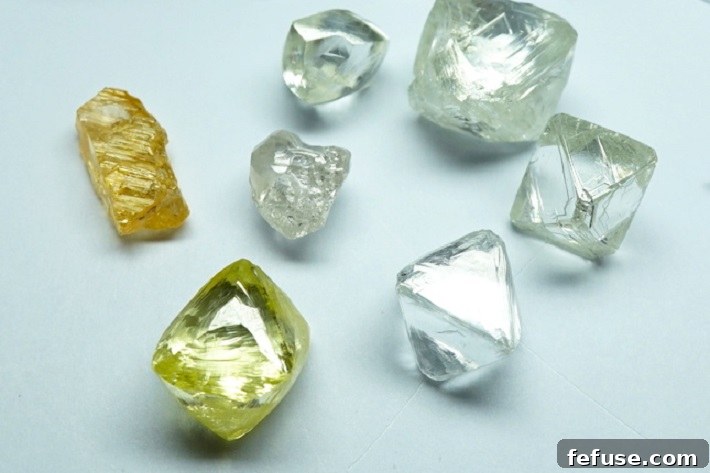
The diamonds offered at the TAGS tender originated from Southern Africa, a region renowned for producing some of the world’s highest quality and largest diamonds. The report specifically highlighted that the goods were “mostly +3grs, with a number of high-quality +10-cts stones.” This emphasis on quality and size is key to understanding the sustained interest in these goods. Southern African diamonds often command premium prices due to their superior clarity, color, and overall crystal integrity. The presence of significant quantities of +3grs (three grainers, or about 0.75 carats) and especially high-quality +10cts (ten carats and above) stones underscores the appeal of these tenders for buyers seeking substantial and valuable rough. Larger stones offer the potential for high-value polished diamonds, making them attractive investments for specialized cutters and traders who cater to the luxury segment.
Looking Ahead: Navigating the Future of the Diamond Industry
The results of the TAGS tender, coupled with broader market commentary, suggest that the diamond industry is on a path of gradual recovery, albeit one marked by prudence and selectivity. The coming months will be critical in determining whether the “slightly more optimistic mood” translates into sustained growth. Factors to watch include:
- US Retail Performance: A significant uptick in consumer spending in the US and other major markets will be essential to drive demand for polished diamonds, which in turn fuels the rough market. Economic indicators, inflation, and consumer confidence will be key.
- Supply Management: Continued disciplined supply management by major miners will be crucial to prevent oversupply and maintain price stability.
- Geopolitical and Economic Stability: Global events, economic downturns, and geopolitical tensions can quickly dampen market sentiment and impact luxury spending.
- Marketing and Consumer Engagement: The industry’s efforts to innovate in marketing and engage new generations of consumers will play a long-term role in fostering demand.
- Transparency and Sustainability: Growing consumer awareness around ethical sourcing and sustainability will continue to shape purchasing decisions and influence industry practices.
Tender houses like TAGS will remain pivotal in facilitating this evolving trade, providing platforms for fair valuation and efficient transactions. Their ability to attract a global buyer base and offer high-quality goods directly from producers ensures a transparent and competitive environment, which is increasingly valued in today’s market.
Conclusion: A Stabilizing Market Poised for Evolution
The latest Trans Atlantic Gem Sales tender in Dubai offers a nuanced but generally encouraging outlook for the rough diamond market. The more than $14 million in sales, combined with strong bidding and rising prices for key categories, indicates a return of buyer confidence and a clear need for restocking within the manufacturing pipeline. However, the substantial value of unsold goods and the cautious assessment of US retail sales remind us that the recovery is measured and strategic. As the industry moves forward, a careful balance between supply management, demand generation, and economic realities will dictate the pace and resilience of the diamond market’s evolution. The stabilization achieved through reduced imports and controlled supply has laid a foundation, and the next phase will depend on how effectively the industry can translate this cautious optimism into sustained growth across the entire value chain.