
Unlocking India’s Golden Potential: A Call for Comprehensive Gold Policy Reform
India, a nation deeply intertwined with gold through centuries of cultural tradition, economic value, and investment appeal, stands at a pivotal moment for its ‘yellow metal’ industry. Despite being the world’s largest consumer and a significant importer of gold, the sector has long grappled with the absence of a cohesive, integrated national policy. This structural void has prompted the domestic gold industry to press for crucial reforms, notably advocating for a significant reduction in the gold import duty from the existing 10% to a more industry-friendly 4%. This demand, coupled with comprehensive recommendations from governmental think tanks and export promotion bodies, underscores the urgent need for a strategic overhaul to fully unlock India’s vast potential in the global gold market.
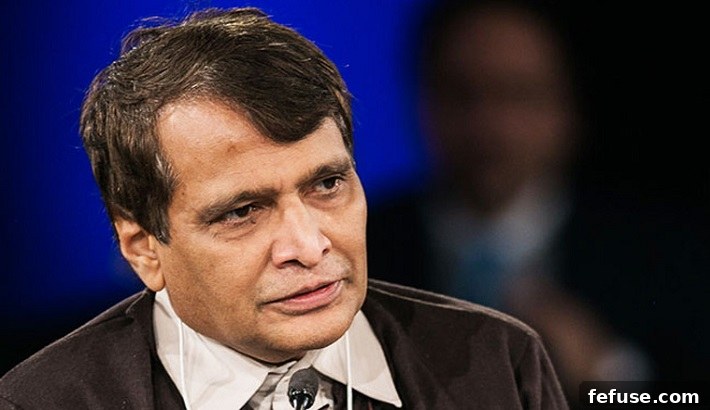
The Union government, recognizing the profound significance of this sector, is actively working on an integrated gold policy. This long-awaited framework is designed to foster robust growth within the domestic gold industry, amplify the export of value-added jewellery, and streamline various aspects of the gold ecosystem. Commerce and Industry Minister Suresh Prabhu confirmed the government’s commitment, stating, “We are pushing for it as we need an integrated policy. In the next few days, we will have a meeting of all concerned people to frame the policy on an expeditious basis. We are looking at all elements of gold in the policy.” This proactive stance signals a clear intent to address the multifaceted challenges and opportunities facing India’s gold sector, promising a policy that is both holistic and forward-looking.
The Imperative for an Import Duty Reduction
At the heart of the industry’s immediate demands is the call for a substantial cut in the import duty on gold. The current 10% levy has been widely criticized for hindering legitimate trade, increasing working capital costs for manufacturers, and inadvertently encouraging illicit imports. A reduction to 4% is perceived as a critical step towards leveling the playing field for Indian jewellers and manufacturers, making them more competitive on both domestic and international fronts. Such a move is expected to curb the rampant smuggling of gold into the country, bringing more trade into official channels, enhancing transparency, and ultimately contributing to higher tax revenues through legitimate business activities. Moreover, a lower duty structure could reduce price volatility, stabilize the market, and make gold more accessible and affordable for consumers, especially during peak demand seasons like festivals and weddings. Minister Prabhu acknowledged this critical industry demand, indicating that the upcoming policy would “also look at that side of it,” suggesting a potential positive consideration for the proposed duty cut.
Towards an Integrated Gold Policy: A Vision for Growth
The very concept of an “integrated gold policy” implies a comprehensive framework that addresses every segment of the gold value chain, from mining and refining to manufacturing, trade, and investment. For a country like India, which possesses substantial gold reserves (though largely unmined) and a sophisticated jewellery manufacturing base, a consolidated strategy is indispensable. Minister Prabhu highlighted this critical gap, noting that despite India’s stature as the largest consumer and importer, no such overarching policy currently exists. The envisioned policy is expected to focus heavily on promoting the domestic gold industry, thereby fostering job creation, skill development, and technological advancements. It also aims to significantly boost the export of gems and jewellery, a sector that already contributes approximately 15% to India’s total merchandise outbound shipments. By optimizing the entire ecosystem, India aims to transition from merely being a consumer to becoming a global hub for value-added gold products, leveraging its rich artisanal heritage and skilled workforce.
Niti Aayog’s Visionary Recommendations for Gold Sector Reform
The groundwork for a comprehensive gold policy has been meticulously laid by various government bodies, most notably by Niti Aayog, the government’s premier think-tank. In August, Niti Aayog put forth a series of transformative recommendations aimed at revolutionizing India’s gold sector. These suggestions extend beyond mere duty adjustments, proposing a holistic approach to financialize gold and integrate it more effectively into the formal economy. Key recommendations included:
1. Reduction in Import Duty and GST: Echoing the industry’s demand, Niti Aayog advocated for bringing down the gold import duty from 10% and also suggested slashing the Goods and Services Tax (GST) rate on the precious metal from the current 3%. Such reductions would not only stimulate demand but also help in formalizing the market by discouraging informal channels.
2. Revamping Gold Monetisation and Sovereign Gold Bond Schemes: These schemes were introduced to mobilize idle household gold and reduce India’s reliance on imports. Niti Aayog recommended a thorough review and revamp to enhance their attractiveness, streamline operational processes, and ensure broader participation from citizens. Improving the ease of depositing gold and making these investment avenues more liquid and user-friendly are crucial for their success.
3. Establishment of a Gold Board and Bullion Exchanges: To bring greater structure, transparency, and financialization to the yellow metal, Niti Aayog proposed the creation of a dedicated Gold Board. This board would serve as a regulatory body, setting standards, promoting best practices, and facilitating policy implementation. Complementing this, the establishment of bullion exchanges across the country would provide a regulated platform for trading physical gold and gold-backed financial instruments, thereby increasing market depth and investor confidence.
4. Exemption of IGST for Exporters: To further boost exports, Niti Aayog suggested exempting exporters from the 3% Integrated Goods and Service Tax (IGST), aligning it with customs duty provisions and including a bank guarantee mechanism. This measure would significantly reduce the working capital burden on exporters, making Indian jewellery more competitive in global markets and supporting the ‘Make in India’ initiative.
Boosting Exports: The Role of GJEPC and MEIS
The Gem and Jewellery Export Promotion Council (GJEPC), representing a crucial segment of India’s export economy, has consistently highlighted the need for robust government support to enhance global competitiveness. GJEPC has specifically called for an increase in incentives under the Merchandise Exports from India Scheme (MEIS). MEIS is a flagship government program designed to provide duty benefits and incentives to various product categories and countries, thereby offsetting infrastructural inefficiencies and associated costs involved in exporting. Increased MEIS incentives for the gems and jewellery sector would enable exporters to invest more in design innovation, technology upgrades, and market development, ultimately leading to higher export volumes and greater penetration into new international markets. Given that this sector is a significant foreign exchange earner and a major employer, bolstering its export capabilities through schemes like MEIS is a strategic imperative for India’s overall economic growth.
Looking Ahead: Challenges and Opportunities
The path to realizing India’s full potential as a global gold powerhouse is not without its challenges. Policy implementation, regulatory alignment across various ministries, and securing stakeholder buy-in will be critical. However, the current momentum, driven by industry demands and reinforced by expert recommendations, suggests a strong political will to bring about meaningful change. The upcoming integrated gold policy has the potential to transform India’s gold market from an unorganized, import-heavy sector into a sophisticated, export-oriented, and financially integrated industry. By fostering a conducive environment for manufacturing, trade, and investment, India can solidify its position not just as the largest consumer of gold, but as a dominant force in the global gold value chain, generating wealth, employment, and prestige on the international stage. This comprehensive approach promises a golden era for India’s economy, benefiting businesses, consumers, and the nation as a whole.