
Surat’s Diamond Industry Navigates Global Headwinds: Recession, Sanctions, and Shifting Supply Chains
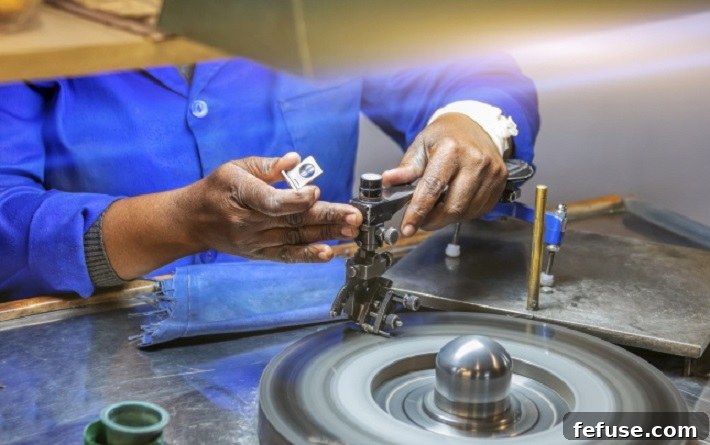
The bustling city of Surat, India, renowned globally as the epicenter of diamond cutting and polishing, is currently grappling with a formidable confluence of economic and geopolitical challenges. Manufacturers in this vital industrial hub are reportedly extending their traditional summer vacations, a stark indicator of the deep impact being felt across the sector. This unprecedented pause in operations, coupled with growing concerns over global recessionary pressures and evolving trade dynamics, is forcing many units to implement significant adjustments, including staff layoffs and reduced working hours.
The ripple effects of a global economic slowdown, compounded by changing consumer sentiments in key Western markets like the US and Europe, and the looming threat of further sanctions against Russian goods, are creating an atmosphere of profound uncertainty. The industry, which employs hundreds of thousands and contributes significantly to India’s export economy, faces a critical juncture, demanding strategic adaptation to ensure its long-term resilience and continued prominence on the international stage.
The Global Economic Chill: Slowing Demand and Recessionary Pressures
At the heart of Surat’s current predicament is a significant deceleration in global consumer demand. Major economies, particularly in North America and Europe, are experiencing a period of heightened inflation, rising interest rates, and a general tightening of household budgets. This macroeconomic environment invariably leads to a shift in consumer spending priorities, with discretionary luxury items like diamonds often being the first to see a decline in sales.
For an industry heavily reliant on global retail trends, this translates directly into reduced orders for polished diamonds. Manufacturers in Surat, who process approximately 90% of the world’s rough diamonds, are contending with substantial inventory accumulation and a cautious approach from international buyers. The reluctance of retailers to place large or frequent orders creates an imbalance between production capacity and market absorption, necessitating measures to curtail output and manage existing stock. This slowdown underscores the interconnectedness of the global economy, demonstrating how economic conditions in distant markets directly impact local industries in India.
The Geopolitical Dimension: Russian Diamonds and Sanction Concerns
Adding another complex layer to the economic headwinds is the ongoing geopolitical situation, specifically concerning Russia’s role in the global diamond supply chain. Russia, through its state-owned company Alrosa, is a dominant force in rough diamond mining, supplying a significant portion of the world’s raw material. While direct, comprehensive Western sanctions on Russian diamonds have been selective, consumer sentiment in the US and Europe has already begun to shift.
Many consumers and ethical retailers are increasingly wary of goods that may have a Russian origin or have passed through a supply chain involving Russian rough diamonds. This voluntary boycott, driven by ethical and political considerations, creates immense pressure on the industry to ensure transparency and traceability in its sourcing practices. The challenge for Surat’s manufacturers is to navigate these shifting ethical landscapes while maintaining a stable and diverse supply of rough stones.
Furthermore, there is palpable concern within the industry that the Group of Seven (G7) nations and the European Union may soon decide to impose more comprehensive sanctions specifically targeting Russian diamonds. Such a move, if implemented, would fundamentally reshape the global rough diamond market, potentially leading to significant supply disruptions, price volatility, and an intensified search for alternative, verifiable sources. For a processing hub like Surat, which relies on a consistent flow of rough diamonds from various origins, such sanctions would present a monumental challenge, requiring swift adaptation in sourcing strategies and market positioning.
Surat’s Immediate Response: Extended Vacations and Workforce Adjustments
In response to the dual pressures of sluggish demand and uncertain supply chains, diamond manufacturers in Surat are adopting various immediate strategies to cope. One of the most prevalent measures has been the extension of the customary summer vacation period. This decision, while a traditional practice, has been stretched beyond its usual duration and scope, indicating the severity of the current downturn and the need to halt overproduction.
Hitesh Patel, managing director of Dharmanandan Diamonds, commented on this trend to Hindustan Times, stating, “Many companies have decided to go on an extended vacation. Our company has also decided to go on a vacation from May 10 till about May 20, which we do every year. We may extend it by a few days.” This sentiment is echoed across the industry, highlighting a widespread effort to manage inventory levels and reduce operational costs during a lean period. While these extended breaks help businesses manage overheads, they inevitably impact the daily earnings and stability of the vast workforce.
Beyond vacations, more drastic measures are also being implemented. Many diamond processing units are reducing their daily working hours, shifting from multi-shift operations to single shifts, or even initiating periods of mandatory leave without pay. The most severe consequence of sustained low demand, however, has been job losses. Bhavesh Tank, vice-president of the Diamond Workers’ Union Gujarat (DWUG), reported a concerning figure, claiming that approximately 10,000 workers in Surat have been laid off over the last two months alone. This represents a substantial portion of the highly skilled workforce, leading to significant economic hardship for families and raising concerns about the social stability within the region.
The Human and Economic Toll on Surat’s Workforce
The ramifications of this downturn extend far beyond the balance sheets of the diamond manufacturing units. Surat, affectionately known as the ‘Diamond City of India’, is intricately linked to the prosperity of this industry. A slowdown in diamond processing has a profound cascading effect on numerous ancillary sectors that support the core industry. This includes local logistics companies, packaging suppliers, machinery maintenance services, and the myriad small businesses that cater to the daily needs of the hundreds of thousands of diamond workers.
For the workers themselves, particularly those who have been laid off or are facing extended periods without pay, the situation is increasingly dire. Many are migrant laborers from rural areas, supporting entire families in their hometowns. The abrupt loss or reduction of income jeopardizes their ability to cover basic living expenses, pay rent, and send much-needed remittances to their dependents. This creates a ripple effect of financial distress, potentially leading to increased debt, school dropouts, and a general decline in living standards for vulnerable communities.
The potential for a mass exodus of skilled labor from Surat is another pressing concern. If the downturn persists, workers may be forced to seek employment in other sectors or regions, leading to a talent drain that could impede the industry’s recovery when market conditions eventually improve. Local government bodies and industry associations are undoubtedly monitoring the situation closely, and there may be an urgent need for targeted support programs, such as unemployment benefits, skill retraining initiatives, or facilitated access to alternative employment opportunities, to mitigate the social and economic impact on the affected workforce.
Adapting to a New Reality: Strategies for Resilience and Future Growth
Despite the formidable challenges, the Surat diamond industry has a proven track record of resilience and adaptability, having navigated numerous crises in the past. To emerge stronger from the current global turbulence, manufacturers and stakeholders must strategically pivot and implement several key adjustments:
**Supply Chain Diversification and Traceability:** Reducing over-reliance on any single source of rough diamonds, especially given geopolitical volatilities, is paramount. Strengthening relationships with existing alternative suppliers in countries like Botswana, Canada, and Australia, and actively exploring new mining regions will be crucial. Simultaneously, enhancing transparency and traceability across the entire supply chain, from mine to market, will become non-negotiable. Consumers are increasingly demanding ethically sourced and conflict-free diamonds, and Surat must be at the forefront of providing verifiable assurances of origin.
**Market Diversification and Innovation:** While traditional markets in the US and Europe remain vital, exploring and nurturing burgeoning demand in Asia, the Middle East, and other developing economies can help buffer against regional slowdowns. This requires tailored marketing strategies, product innovation that caters to diverse cultural preferences, and a willingness to invest in new distribution channels. Furthermore, exploring the growing market for lab-grown diamonds, distinct from natural diamonds but a significant segment, could offer new avenues for growth and technological advancement.
**Technological Advancement and Efficiency:** Investing in cutting-edge technology and automation can enhance operational efficiency, reduce costs, and improve the quality of polished diamonds. While such advancements might initially impact some labor-intensive roles, they can ultimately strengthen Surat’s competitive edge, allowing it to maintain its position as a global leader in precision cutting and polishing. Streamlining processes through digital integration can also improve responsiveness to market changes and optimize inventory management.
**Sustainability and Ethical Practices:** The modern consumer is highly conscious of environmental and social impact. Adopting sustainable manufacturing practices, minimizing waste, and ensuring fair labor conditions are not just ethical imperatives but also strategic advantages. Brands and manufacturers that prioritize sustainability and communicate their efforts transparently will build greater trust and loyalty among discerning customers.
**Collaboration and Policy Support:** Strong collaboration within the industry, through associations and trade bodies, is essential for sharing market intelligence, coordinating responses, and advocating for supportive governmental policies. This could include tax incentives, export promotion schemes, or assistance programs for affected workers. A unified voice and collective action will be vital in navigating the complexities of international trade and securing the long-term future of the industry.
Conclusion: A Call for Strategic Adaptation
The current challenges confronting Surat’s diamond industry—extended vacations, reduced working hours, and significant layoffs—are more than just temporary operational adjustments; they signify a profound structural shift driven by global economic instability and geopolitical realignments. The industry, renowned for its intricate craftsmanship and immense contribution to the economy, stands at a critical crossroads, demanding immediate attention and farsighted strategic planning.
While the immediate outlook presents considerable hurdles, Surat’s historical resilience, its unparalleled expertise, and its pivotal role in the global diamond market offer a strong foundation for recovery. By embracing comprehensive strategies encompassing supply chain and market diversification, leveraging technological innovation, prioritizing ethical and sustainable practices, and fostering robust collaborative efforts, the ‘Diamond City’ can navigate these turbulent waters. Through adaptive and forward-thinking approaches, Surat can safeguard its skilled workforce, mitigate economic disruptions, and ensure that its diamonds continue to shine brightly on the world stage for generations to come.