
Shinsegae and Alibaba Forge Strategic Alliance to Reshape South Korea’s E-commerce Landscape
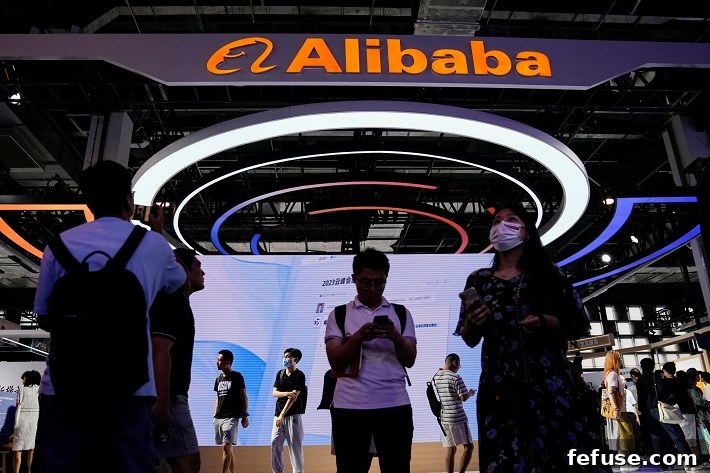
South Korean retail titan Shinsegae has officially unveiled ambitious plans to establish a pivotal joint venture with Alibaba International. This strategic collaboration is designed to fundamentally strengthen Shinsegae’s competitive standing within South Korea’s fiercely contested e-commerce market. Slated for formation in 2025, this highly anticipated joint venture will integrate Shinsegae’s well-established e-commerce platform, Gmarket, with Alibaba’s rapidly expanding AliExpress Korea. Crucially, the agreement stipulates that both platforms will maintain their independent operational structures, aiming to leverage their individual strengths while benefiting from a unified strategic direction.
This alliance marks a significant turning point for both entities and for the broader South Korean online retail sector. For Shinsegae, a conglomerate with deep roots in traditional retail, the move underscores an urgent imperative to fortify its digital presence. For Alibaba, it signifies a concentrated push into one of the world’s most dynamic and tech-savvy e-commerce markets, reinforcing its international growth ambitions amidst evolving domestic conditions. The union is poised to introduce a formidable new force, challenging established giants and reshaping consumer expectations across the nation.
Gmarket’s Quest for Revival: Navigating a Fiercely Competitive Arena
According to a recent regulatory filing, Shinsegae will contribute its full 100% stake in Gmarket to the newly formed joint venture. This move is a clear indication of Shinsegae’s commitment to the partnership and its recognition of the urgent need for a strategic overhaul of Gmarket. Once a dominant player, Gmarket has faced increasing pressure and struggled to effectively compete with South Korea’s undisputed e-commerce leaders: Coupang, renowned for its innovative “Rocket Delivery” system, and Naver, which leverages its expansive search engine ecosystem and smart store solutions. The competitive landscape has only intensified with the aggressive entry of international e-commerce powerhouses like Alibaba’s own AliExpress and the fast-growing Chinese platform, Temu, both of which have rapidly gained traction among South Korean consumers seeking value and variety.
Shinsegae’s acquisition of Gmarket (and its sister platform Auction) from eBay in 2021 was initially heralded as a strategic move to consolidate its e-commerce operations, which also include SSG.com. However, despite significant investments and restructuring efforts, Gmarket has found it challenging to regain its lost market share or carve out a distinct competitive advantage against its well-resourced rivals. The digital retail space in South Korea demands constant innovation, unparalleled logistics, and a deep understanding of ever-evolving consumer behaviors. This joint venture with Alibaba is thus not merely an investment but a calculated gambit to infuse Gmarket with new capabilities, capital, and global expertise, aiming for a significant revitalization that would otherwise be difficult to achieve independently.
The challenges for Gmarket extend beyond just market share. South Korean consumers have exceptionally high standards for speed, convenience, and product authenticity, driven by leading platforms that offer same-day or next-day delivery and robust customer service. Gmarket, while still possessing a strong brand legacy, has struggled to match these elevated expectations consistently. Furthermore, the rise of cross-border e-commerce, exemplified by the growth of AliExpress and Temu, has introduced a new paradigm of price competitiveness and product diversity that Gmarket, in its previous iteration, found difficult to integrate effectively. This strategic alliance is designed to directly address these pain points, leveraging Alibaba’s international prowess to redefine Gmarket’s value proposition.
Alibaba’s Strategic Pivot: Eyeing Growth Beyond Domestic Borders
Alibaba’s recent financial performance has reflected broader challenges within its home market of China. In November, the tech giant reported weaker-than-expected quarterly sales, a direct consequence of a sustained slowdown in consumer spending. This downturn is attributed to several macroeconomic factors, including the lingering effects of China’s property crisis, persistent high youth unemployment rates, and general economic uncertainty that has dampened consumer confidence. These domestic headwinds have prompted Alibaba to increasingly look beyond its traditional strongholds and double down on its international expansion strategy.
In this context, the partnership with Shinsegae for the South Korean market signifies a renewed and intensified focus on global opportunities. South Korea stands out as a particularly attractive target. According to Euromonitor, it is the world’s fourth-largest e-commerce market, boasting a highly digitally literate population, robust internet penetration, and a significant appetite for online shopping. Korean consumers are not only tech-savvy but also demand sophisticated digital experiences, making the market both challenging and rewarding for innovative players. AliExpress, Alibaba’s global retail arm, has already established a significant footprint in South Korea, particularly appealing to value-conscious consumers with its wide array of competitively priced products directly from Chinese manufacturers.
Alibaba’s global strategy has increasingly emphasized localized operations combined with its formidable cross-border capabilities. This joint venture provides an ideal mechanism to achieve both: a strengthened local presence through Gmarket’s existing infrastructure and brand recognition, augmented by AliExpress’s global supply chain and technological backbone. This move is not merely about market penetration; it’s about establishing a resilient and deeply integrated ecosystem within a crucial global market, diversifying Alibaba’s revenue streams, and mitigating risks associated with over-reliance on any single market. The Korean market, with its high average order values and sophisticated logistics requirements, presents a perfect testing ground for Alibaba’s evolving international e-commerce model.
Synergies and Strategic Advantages: A Collaborative Blueprint for Success
By combining the inherent strengths of Shinsegae and Alibaba, the joint venture is strategically positioned to revitalize Gmarket’s market presence while simultaneously leveraging AliExpress’s extensive global reach. This collaboration underscores the intensifying competition within the region’s e-commerce sector and critically highlights the strategic value of forming alliances to effectively navigate rapidly evolving consumer behaviors and persistent economic challenges.
Leveraging Gmarket’s Local Expertise and Infrastructure
Gmarket brings an invaluable depth of local market understanding, cultivated over years of operation in South Korea. This includes established relationships with domestic sellers, an existing customer base that trusts a local brand, and critical insights into Korean consumer preferences and purchasing patterns. Shinsegae’s broader retail ecosystem, encompassing both online (SSG.com) and extensive offline department stores and hypermarkets (E-Mart), provides potential synergies for omni-channel integration, click-and-collect options, and enhanced logistics infrastructure within the country. Furthermore, Gmarket possesses essential compliance expertise regarding South Korea’s intricate regulatory environment, data privacy laws, and consumer protection standards—areas where international entrants often face steep learning curves. This localized foundation is crucial for building sustained trust and ensuring operational efficiency in a market that prioritizes domestic relevance.
Unleashing AliExpress’s Global Supply Chain and Technological Prowess
On the other hand, AliExpress injects the joint venture with access to a massive global supply chain, primarily originating from its vast network of Chinese manufacturers. This allows for unparalleled product diversity and highly competitive pricing, a significant draw for Korean consumers increasingly seeking value. Alibaba’s advanced logistics solutions, particularly its expertise in efficient cross-border shipping, will be instrumental in improving delivery times and reducing costs for international products, a common pain point for stand-alone local platforms. Beyond logistics, Alibaba brings robust technological infrastructure, including sophisticated AI-driven recommendation engines, advanced payment systems, and powerful data analytics capabilities. These technologies can significantly enhance the shopping experience on Gmarket, offering personalized recommendations, streamlined checkouts, and a more dynamic user interface. The combination of Gmarket’s local touch with AliExpress’s global resources is designed to create a differentiated offering that caters to both domestic and international product demands.
Enhancing the Customer Value Proposition
The ultimate goal of this synergy is to provide an overwhelmingly superior value proposition to the Korean consumer. By combining forces, the joint venture aims to offer an exponentially wider product selection, ranging from locally sourced goods to an extensive catalog of international items at highly competitive prices. Improvements in delivery times, particularly for cross-border purchases, are expected, enhancing overall convenience. Furthermore, the alliance holds the potential for more integrated shopping experiences, including unified loyalty programs, seamless cross-platform functionality, and advanced payment solutions. This comprehensive approach is designed to not only attract new customers but also to re-engage previous Gmarket users by demonstrating a significant leap in service quality and product accessibility.
Reshaping the South Korean E-commerce Battleground
This joint venture is poised to fundamentally alter the competitive dynamics of South Korea’s e-commerce landscape, one of the most vibrant and demanding markets globally. The existing duopoly of Coupang and Naver has long dominated, but this new alliance signals a serious challenge to their established positions.
The Incumbent Giants: Coupang and Naver
Coupang has revolutionized Korean e-commerce with its proprietary “Rocket Delivery” network, promising unparalleled speed and convenience, often delivering orders within hours. Its subscription service, Rocket Wow, further locks in customer loyalty through various perks. Naver, on the other hand, leverages its position as the country’s leading search engine to integrate e-commerce deeply within its vast ecosystem. Its “Smart Store” platform empowers small and medium-sized businesses, while Naver Pay simplifies transactions, creating a cohesive and user-friendly experience that keeps customers within its walled garden. The Shinsegae-Alibaba joint venture will need to articulate a clear strategy to differentiate itself against these formidable incumbents, perhaps by focusing on an even broader product assortment or a superior cross-border shopping experience that combines the best of both worlds.
The Rise of Cross-Border E-commerce
The past few years have seen a dramatic surge in cross-border e-commerce in South Korea. Consumers are increasingly comfortable purchasing directly from international platforms, driven by factors like price, product uniqueness, and the sheer variety not available domestically. The disruptive entry of players like Temu and Shein, offering ultra-low prices and trendy fashion, has intensified this trend. The Shinsegae-Alibaba joint venture strategically consolidates a significant portion of this burgeoning cross-border market by combining AliExpress’s established international reach with Gmarket’s local presence and brand familiarity. This creates a powerful hybrid model that can cater to both domestic demands and the growing appetite for global goods, effectively countering the pure-play cross-border competitors by adding a layer of local trust and service.
Broader Market Implications
The implications of this alliance extend beyond direct competition. It could compel other domestic retailers, including Lotte ON and SSG.com, to reassess their e-commerce strategies, potentially leading to further consolidation or new strategic partnerships. The enhanced logistics capabilities brought by Alibaba could also accelerate innovation across the entire logistics sector in Korea, pushing for faster, more efficient, and more cost-effective delivery solutions. Moreover, the joint venture’s emphasis on digital transformation could further blur the lines between online and offline retail, driving greater integration and an increasingly seamless omni-channel shopping experience for consumers across the nation.
Navigating Challenges and Embracing Future Opportunities
While the strategic potential of the Shinsegae-Alibaba joint venture is immense, its path to success is not without significant challenges. Effectively integrating two distinct corporate cultures, technological systems, and operational processes will be a monumental task. Ensuring a seamless user experience, despite the stipulated “independent operations” of Gmarket and AliExpress, will require meticulous planning and execution to avoid fragmented customer journeys. Cultural differences in business practices and consumer expectations must be carefully managed to foster a cohesive and effective operating model.
Furthermore, adapting to South Korea’s complex regulatory environment, especially concerning data privacy and consumer protection, will demand constant vigilance and compliance. Both entities will need to work diligently to maintain their distinct brand identities—Gmarket’s local trust and familiarity versus AliExpress’s global reach and value—while presenting a unified and compelling proposition to consumers. The rapidly evolving nature of the e-commerce market also demands sustained innovation, whether in integrating AI for personalized shopping, developing new live commerce features, or continually optimizing logistics. Building and maintaining consumer loyalty in a market where price, speed, and convenience are paramount will require continuous investment in service quality and value offerings.
A New Chapter for South Korean Online Retail
In conclusion, the joint venture between Shinsegae and Alibaba International represents a bold and strategic maneuver set to redefine the competitive landscape of South Korea’s e-commerce market. This alliance is not merely a business transaction; it is a profound statement about the future direction of online retail in one of the world’s most dynamic and digitally advanced economies. By pooling Gmarket’s deep understanding of the local market and Shinsegae’s extensive retail infrastructure with Alibaba’s unparalleled global supply chain and technological prowess, the partnership has the potential to introduce a new era of choice, value, and innovation for Korean consumers.
While significant integration and operational challenges lie ahead, the long-term vision of this collaboration is clear: to establish a dominant hybrid e-commerce platform capable of competing vigorously with established domestic giants and new international entrants alike. This strategic alliance underscores a broader trend in global e-commerce, where localized expertise combined with global scale becomes a critical formula for sustainable growth. As the joint venture takes shape in 2025, all eyes will be on how this formidable partnership navigates the complexities of the South Korean market and ultimately reshapes consumer expectations, setting a new benchmark for online retail excellence in the region.