
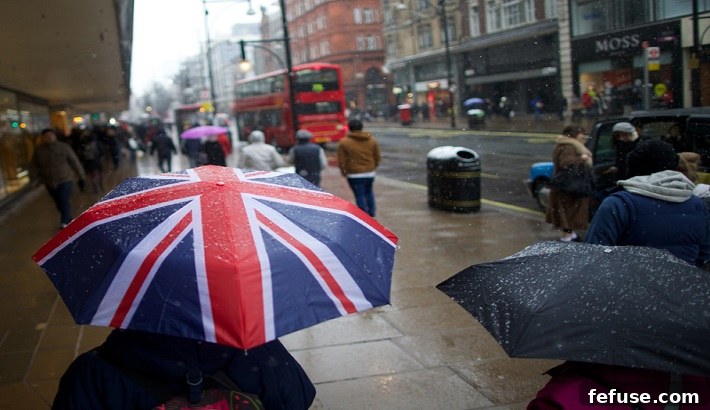
The UK retail sector faced unprecedented challenges in 2019, culminating in its first annual sales decline in a quarter-century. This landmark downturn signals a profound transformation within the industry, driven by a confluence of economic uncertainties, shifting consumer behaviours, and structural market pressures. The data, meticulously compiled by the British Retail Consortium (BRC) and advisory firm KPMG, painted a stark picture of a market grappling with sustained headwinds.
UK Retail Sales Suffer Historic Decline in 2019
For the first time since 1995, when comprehensive monitoring of the sector began, the UK retail industry experienced an overall contraction in sales. The figures, released by the British Retail Consortium (BRC) in collaboration with KPMG, revealed a 0.1% dip in total sales for the entirety of 2019. This seemingly modest percentage belies the gravity of the situation, marking an undeniable end to decades of consistent growth and heralding a new era of caution and recalibration for retailers across the nation.
The severity of the annual decline was significantly exacerbated by a particularly weak performance during the crucial November and December trading period. These two months, traditionally the busiest and most profitable for retailers, saw sales plummet by 0.9%. This festive season slump sent shockwaves through the industry, underscoring the deep-seated challenges impacting consumer spending habits and ultimately influencing the year’s overall negative trajectory. Despite a separate report from Barclaycard indicating a rise in general consumer confidence, this optimism regrettably failed to translate into a much-needed boost for festive spending, leaving many retailers with significant stock overhangs and diminished margins.
A Year of Unprecedented Headwinds: BRC Chief Executive’s Perspective
Helen Dickinson, Chief Executive of the BRC, minced no words in describing 2019 as “the worst year on record.” Her assessment highlighted the unprecedented nature of the decline, emphasizing that it was the first time the sector had registered an overall reduction in retail sales since comprehensive records began. Dickinson attributed much of this downturn to a turbulent political and economic landscape that cast a long shadow over the entire year.
Specifically, she pointed to the pervasive uncertainty surrounding Brexit. The UK faced the daunting prospect of a “no-deal” scenario not once, but twice during the year, creating a climate of apprehension that permeated both business investment decisions and consumer purchasing power. This prolonged period of political instability, culminating in a snap general election in December, further weakened demand during what should have been the peak trading period. Consumers, facing an uncertain future, understandably became more risk-averse, prioritising savings over discretionary spending.
Beyond the macroeconomic and political factors, Dickinson also shed light on the internal struggles plaguing the retail sector itself. The year was characterised by widespread job losses, numerous high street shop closures, and significant company restructurings as businesses fought to adapt or simply survive. This internal turmoil, combined with the external pressures of weak consumer demand, created a perfect storm that made profitability and growth incredibly difficult to achieve for many established retailers.
Shifting Sands: Structural Challenges and Evolving Consumer Behaviour
The challenges facing UK retailers extend far beyond transient political and economic cycles; they are deeply rooted in fundamental shifts in how people shop and what they value. The inexorable rise of online shopping continues to reshape the retail landscape, drawing an ever-increasing share of consumer expenditure away from traditional brick-and-mortar stores. This shift necessitates massive investment in digital infrastructure, supply chain optimisation, and an omnichannel strategy that many legacy retailers struggle to implement effectively and profitably.
Furthermore, consumers are becoming increasingly cautious and conscientious in their spending habits. Economic uncertainty, including concerns about job security, real wage growth, and the broader health of the UK economy, has fostered a more conservative approach to discretionary purchases. Shoppers are now more inclined to research, compare prices, and seek out genuine value rather than engaging in impulse buying.
Adding another layer of complexity is the growing awareness and concern for environmental issues and ethical consumption. Many consumers are actively seeking out sustainable products, supporting brands with strong ethical credentials, and questioning the environmental footprint of their purchases. This “conscientious capitalism” influences everything from product choices to packaging preferences, pushing retailers to rethink their entire supply chain and brand messaging. Helen Dickinson aptly noted that consumers became “both more cautious and more conscientious” as they embarked on their Christmas shopping, a trend that is likely to intensify in the years to come.
Understanding the Data: BRC Figures and Market Exclusions
It is crucial to contextualise the BRC’s retail sales figures by acknowledging their scope and methodology. While providing an invaluable snapshot of a significant portion of the retail market, the BRC’s survey does not encompass the entire retail ecosystem. Notably, it excludes some of the fastest-growing online retailers, including behemoths like Amazon. These pure-play online giants have rapidly captured a substantial share of the market, with some experts estimating that they now account for approximately 20% of all online sales in the UK.
The exclusion of such significant players from the BRC’s headline figures naturally raises questions about whether the reported 0.1% decline truly reflects the broader health of the entire retail market. While certain segments, particularly traditional high street retailers, undoubtedly faced a severe downturn, the overall picture might appear slightly less dire if the extraordinary growth of excluded online retailers were factored in. However, Helen Dickinson, in an interview with the BBC Today programme, affirmed her conviction that the BRC figures, despite these exclusions, still presented an “accurate picture” of the prevailing challenges and trends experienced by the majority of the UK retail sector.
This perspective suggests that even with the phenomenal growth of online-only platforms, the struggles of the traditional retail core are so pronounced that they dictate the overall narrative. The BRC’s data, therefore, serves as a powerful indicator of the pressures faced by the vast majority of physical retail establishments and those multi-channel retailers whose performance is heavily reliant on their physical store footprint.
A Glimmer of Resilience: The Jewellery Sector’s Adaptive Spirit
Amidst the broader narrative of decline, pockets of resilience and adaptation emerged, offering a nuanced view of the retail landscape. The jewellery sector, for instance, presented a mixed picture that defied a simple “doom and gloom” assessment. While the year undeniably saw the closure of many independent jewellers and a reduction in store counts for several multiple retailers, a significant number of businesses within this sector managed to buck the prevailing high street trend.
These resilient jewellers not only maintained their presence but also actively expanded, opening new doors or enlarging existing premises. This dichotomy highlights that success in a challenging market is not impossible; rather, it hinges on adaptability, strategic innovation, and a keen understanding of evolving consumer demands. Factors contributing to their success might include: a focus on unique, bespoke pieces; exceptional customer service and in-store experiences; strong digital integration and online sales channels; or targeting specific niche markets with carefully curated offerings.
The experience of the jewellery sector serves as a vital case study, illustrating that while the general tide may be receding, businesses willing to innovate and differentiate can still thrive. It underscores the idea that the future of retail is not solely about where sales occur (online vs. offline), but increasingly about the quality of the product, the authenticity of the brand, and the overall customer journey.
The Road Ahead: Navigating a Transformed Retail Landscape
The historic decline in UK retail sales in 2019 serves as a stark warning and a powerful catalyst for change. The challenges encountered are not merely cyclical but indicative of a fundamental transformation of the retail ecosystem. For retailers to not only survive but also flourish in the years to come, a comprehensive recalibration of strategies and priorities will be essential.
Future success will undoubtedly depend on an unwavering commitment to innovation. This includes embracing advanced technologies, personalising the customer experience, and developing robust omnichannel strategies that seamlessly integrate online and offline touchpoints. Retailers must also re-evaluate the purpose and design of their physical stores, transforming them from mere transaction points into experiential hubs that offer unique value proposition beyond simply purchasing goods.
Furthermore, the growing consumer demand for sustainability and ethical practices cannot be ignored. Brands that genuinely commit to transparent supply chains, environmentally friendly products, and socially responsible operations will resonate more deeply with an increasingly conscious customer base. The ability to articulate and deliver on these values will become a significant competitive differentiator.
Finally, the role of government support, particularly concerning issues like business rates reform and investment in urban infrastructure, remains critical for the vitality of high streets and local economies. While retailers must take charge of their own destiny through adaptation and innovation, a supportive policy environment can provide the necessary foundation for sustained recovery and growth.
The 2019 downturn marks a turning point, signaling an end to complacency and ushering in an era where agility, customer-centricity, and a clear vision for the future will define the winners in a rapidly evolving UK retail landscape. The lessons learned from this challenging year will undoubtedly shape the strategies and innovations that drive the sector forward.
News Source: professionaljeweller