
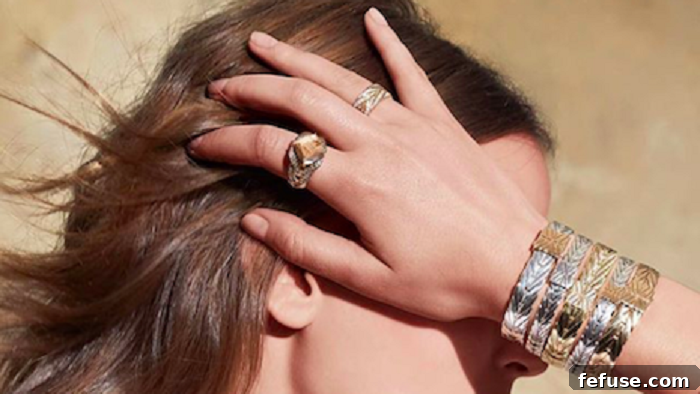
The landscape of luxury consumption is undergoing a profound transformation, spearheaded by the evolving purchasing habits of millennial women. Traditionally, jewelry, alongside many other high-end items, has been positioned as a gift, something received rather than actively acquired. However, contemporary market trends reveal a significant paradigm shift: millennial women are increasingly choosing to buy luxury pieces for themselves, signaling a powerful move towards self-empowerment and personal gratification in their shopping decisions.
This compelling shift is not merely anecdotal; it’s robustly supported by empirical data. A recent comprehensive report from MVI Research illuminates that over half of women within the millennial age bracket (typically defined as those born between the early 1980s and late 1990s) identify themselves as the primary purchasers of jewelry in their households. This finding carries immense implications for luxury marketers who have historically relied on conventional gifting narratives. While some brands have begun to adapt their messaging, the growing dominance of millennials as a key consumer demographic for high-end goods necessitates an even more deliberate and nuanced appeal directly to women as self-aware, independent buyers.
Redefining the Luxury Industry: A Call for Female-Centric Design and Leadership
The implications of this shift extend beyond mere marketing slogans; they demand a fundamental reevaluation of the luxury industry’s foundational structures. Marty Hurwitz, CEO of MVI Marketing, a leading research firm based in Austin, TX, articulates this need with striking clarity. “The [jewelry] industry needs to change dramatically because even today, just about every jewelry product that winds up being worn by women is either made by men or the organizations are run by men,” Hurwitz observes. This highlights a significant disconnect between the creators and the end-users in a market increasingly driven by female self-purchase.
Hurwitz emphasizes that the industry must actively “embrace this opportunity” by fostering greater female representation across its pipeline. This includes not only bringing more women into product development roles, ensuring designs resonate with a female aesthetic and perspective, but also integrating them into leadership and management positions. For brands seeking to authentically connect with this influential consumer segment, understanding that “this consumer really needs a female voice and a female aesthetic talking to her” is not just good practice, but an imperative for sustained relevance and growth. The “Self Purchasing Females: Luxury Growth Demographic of Opportunity” report, which underpins these insights, is based on a survey of 1,000 women aged 25 to 40, all boasting household incomes of at least $75,000, underscoring the affluent and discerning nature of this target audience.
The Power of Self-Purchase: Beyond Gifting
The MVI study delves deeper into the specifics of these purchasing habits, offering a granular view of how millennial women interact with luxury goods. Contrary to the enduring myth of jewelry as a default gift from a partner, the research indicates a different reality. A mere 18 percent of respondents identified their spouses or romantic partners as the primary buyers of their jewelry. While 17 percent noted they shop for jewelry collaboratively with their partner, and 13 percent primarily purchase jewelry as a gift for their significant other, the overwhelming trend points towards women actively acquiring pieces for themselves.
This propensity for self-purchase isn’t limited to fine jewelry; it extends across various luxury categories. Millennial women are even more likely to buy their own shoes, with a striking 69 percent affirming they are the most frequent footwear shopper in their household. Their influence on the footwear market also extends to gifting, with 19 percent of women primarily purchasing shoes for their partners. This data solidifies their role as pivotal decision-makers and spenders across luxury fashion.
The trend continues into the travel sector. When it comes to hotels, the survey found women almost equally divided between purchasing for themselves and collaborating with a significant other to book accommodations. While approximately three out of five women reported never traveling alone, a significant 65 percent of millennials embark on at least one trip with their girlfriends annually. This highlights a burgeoning market for female-centric travel experiences, distinct from traditional family or romantic getaways.
Motivations Behind Self-Gifting: Control, Desire, and Celebration
What drives this robust self-purchasing behavior? The motivations are multifaceted and deeply personal. A substantial third of the women surveyed indicated that they buy for themselves because they desire something specific – an item perfectly aligned with their personal taste, style, or current needs, which they might not trust others to select. This speaks to a strong sense of personal agency and a clear vision for their own aesthetic.
Furthermore, these purchases often serve as personal milestones, even if they don’t fit the conventional definition of a “gift.” Approximately one in five women reported choosing to self-gift to commemorate a significant occasion in their lives, such as a birthday, a promotion, or even a divorce. This practice transforms luxury items into tangible symbols of personal achievement, resilience, or a new chapter, imbuing them with profound emotional value. Such instances reposition luxury items not as external validations, but as internal affirmations of self-worth and progress.
The journey to these self-purchases is also highly considered and research-intensive. A remarkable 90 percent of women stated they conduct thorough research before making a buying decision. This underscores their role as informed, discerning consumers who value knowledge and make deliberate choices, rather than impulsive ones. Brands must therefore prioritize transparency, detailed product information, and accessible research avenues to cater to this highly engaged demographic.
Brand Preferences and the Fluidity of Loyalty
Understanding which brands resonate with millennial women is crucial for strategic marketing. In the jewelry sector, iconic brands like Tiffany & Co. consistently capture their attention, being the top brand millennial women already own or aspire to purchase in the future. Pandora and Swarovski follow, indicating a preference for both aspirational heritage brands and more accessible, fashion-forward options. A clear preference for diamond jewelry designs and white gold further refines the aesthetic sensibilities of this demographic.
In footwear, Coach and Kate Spade emerged as favored labels. However, the survey also revealed a fascinating aspect of millennial brand loyalty: a significant proportion of consumers express no definite plans to purchase from several popular luxury labels, including powerhouses like Gucci and Jimmy Choo. A substantial 27 percent chose “none of the brands” mentioned by MVI in the survey, indicating a willingness to explore beyond established names or a critical assessment of value propositions. This suggests that brand allegiance among millennials is not as entrenched as with previous generations, leaving ample room for newer or niche brands to make inroads.
Similarly, in the hotel sector, after widely recognized names like Hilton and Marriott, a considerable number of respondents expressed no particular preference for other hotel chains. This fluidity in brand choice is a double-edged sword: while it presents a challenge for established brands, it also creates an immense opportunity. These consumers are at a stage in their lives where their brand choices are still largely undecided, presenting a fertile ground for brands to initiate potentially long-lasting relationships built on authentic connection and compelling value.
Navigating the Digital Realm: Authenticity Over “Slick” Marketing
Despite the pervasive narrative linking millennials to constant social media engagement, the MVI report offers a more nuanced view. Only 14 percent of respondents indicated discussing brands frequently on social media. When they do engage, Facebook remains their preferred platform for such conversations, with 62 percent choosing it over other channels. This suggests that while social media is important, its role might be more about targeted content consumption and community building than widespread public discussion about brands.
For brands to truly succeed with young women, the emphasis needs to be on effective content strategies, not just presence. Marty Hurwitz elaborates on the critical distinction: “This younger consumer in general is very suspicious of anything that smacks of discounts, deals, anything that has to do with shopping like their parents did,” he explains. “Anything that looks slick is slick, and is not to be trusted.” This highlights a profound desire for authenticity and a skepticism towards overtly commercial or transactional messaging.
Conversely, Hurwitz advises, “Anything that is organic and creative and not particularly Madison Avenue slick, that is interesting, engaging content that people will follow, glom onto or share.” This underscores the power of genuine storytelling, brand values, and unique creative expression over polished, traditional advertising. Brands that invest in content that feels natural, relatable, and offers real value – whether entertainment, inspiration, or information – are far more likely to build trust and foster engagement with this discerning demographic. Furthermore, Hurwitz reiterates the strategic imperative of including women in marketing and product development teams, ensuring that the content and products themselves resonate authentically with the target audience.
Innovative Strategies for the Self-Purchasing Consumer
Leading luxury brands are already demonstrating successful approaches to engage the self-purchasing millennial woman. Jeweler John Hardy, for instance, launched its “Made for Legends” campaign, strategically positioning its exquisite pieces as tools of empowerment. This platform centered on the powerful idea that jewelry transcends mere adornment; it serves as a profound means of personal expression and a symbol of feminine strength. By appealing directly to women as empowered individuals, the campaign aimed to transform female admirers into dedicated purchasers, cleverly subverting the ingrained, traditional notion of jewelry primarily as a gifting item.
In the hospitality sector, Taj Hotels Resorts and Palaces has creatively encouraged guests to forge unforgettable memories with family and friends through engaging and playful narratives. Their “WeTime” video campaign showcases heartwarming scenes from family vacations and vibrant girls’ trips, gently urging travelers to take time away for shared experiences. The campaign strategically utilizes the hashtag #WeTime, a clever play on the popular concept of “me time,” shifting the focus from individual indulgence to collective joy. Rather than highlighting specific services or luxurious amenities, Taj Hotels emphasizes the holistic experience of connection and memory-making, aligning perfectly with the millennial preference for experiences over possessions. Notably, one of Taj’s #WeTime videos features a trip among girlfriends celebrating a divorce, demonstrating a bold and empathetic understanding of modern female milestones and celebrations.
The Enduring Value of Engaging Millennial Women
The strategic imperative to capture the attention and loyalty of millennial women now cannot be overstated. As Marty Hurwitz cogently argues, “If we can capture the attention [of millennial women] now and even get them to test some brands and products in jewelry, shoes, travel, etc., they will probably be with us as brand loyalists, brand advocates for 30-plus years.” This vision underscores the significant long-term return on investment for brands willing to engage thoughtfully with this demographic.
As a 25-year-old evolves into a 35 or 40-year-old, their earning power typically increases, and critically, they tend to retain many of those initial brand loyalties forged in their younger years. “So it’s a big growth opportunity for luxury brands, retailers, manufacturers that are willing to invest a little marketing spend now with this younger consumer to bring them along, to capture their attention now,” Hurwitz concludes. The millennial woman is not just a consumer of today; she is the loyal, affluent customer of tomorrow, and understanding her motivations, preferences, and values is paramount for any luxury brand aspiring to sustainable success in the evolving market.