
Palanpur Inaugurates State-of-the-Art Diamond Common Facility Centre: Catalyzing ‘Make in India’ and ‘Skill India’ Initiatives
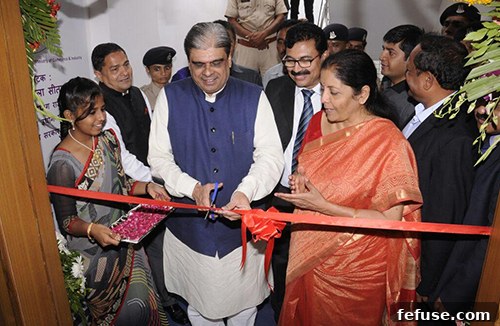
In a significant stride towards strengthening India’s position as a global leader in the gem and jewellery sector, the Hon’ble Minister of State (Independent Charge) for Commerce & Industry (C&I), Government of India (GoI), Smt Nirmala Sitharaman, officially inaugurated the Ratna Abhushan Suvidha Kendra, a cutting-edge Common Facility Centre (CFC), in Palanpur, Gujarat. This landmark event, held on [Date if available, otherwise omit as not in original] in the heart of Gujarat’s vibrant diamond manufacturing hub, was also graced by the Hon’ble Minister of State for Micro, Small & Medium Enterprises (MSMEs), GoI, Shri Haribhai Chaudhary, underscoring the government’s unwavering commitment to the growth and modernization of the sector.
The inauguration of the Palanpur CFC marks a pivotal moment for the diamond industry, particularly for its extensive network of Micro, Small & Medium Enterprises. These state-of-the-art Common Facility Centres, strategically established across India’s smaller yet significant diamond manufacturing hubs, are pioneering projects spearheaded by The Gem & Jewellery Export Promotion Council (GJEPC). Crucially, these initiatives receive substantial financial backing and strategic sponsorship from the Ministry of Commerce and Industry (MoC&I), highlighting a robust public-private partnership aimed at fostering economic development and global competitiveness.
Empowering MSMEs: A Vision for Growth and Excellence
During the welcome address, Kirit Bhansali, a distinguished Member of the Committee of Administration (CoA) of the GJEPC, expressed profound appreciation for this transformative initiative. He lauded the collaborative spirit and joint efforts demonstrated by the GJEPC, the Ministry of Commerce and Industry, and the Banaskantha District Diamond Factory Owners’ Association. Bhansali emphasized that such synergistic endeavors are vital for creating an ecosystem where small and medium enterprises can thrive, innovate, and contribute more significantly to the national economy.
Bhansali further elaborated on the government’s proactive role, confirming that the Government of India had not only approved but also sanctioned substantial funds for the establishment of a total of fifteen Common Facility Centres across the nation. A portion of these allocated funds has already been released, enabling the initial phases of this ambitious project. He noted the increasing demand for such facilities, citing that following the successful launch of the first CFC in Visanagar, the GJEPC has been inundated with representations and requests from numerous other diamond manufacturing centers eager to host their own CFCs. This widespread interest underscores the critical need for shared infrastructure and advanced technological resources within the sector.
In response to this growing demand, the GJEPC has proactively submitted comprehensive plans for the establishment of three additional CFCs in key towns: Bhavnagar, Bavsari, and Junagarh. Bhansali expressed optimism for the swift approval of these proposals, anticipating their early implementation. He also put forth a crucial request to extend the project’s timeline up to the fiscal year 2019-20. This extension, he explained, would be instrumental in allowing the GJEPC to not only complete Phase I of the project effectively but also to embark upon and implement Phase II, thereby expanding the reach and impact of these vital facilities. Concluding his remarks on funding, he earnestly urged the Hon’ble Minister for the prompt release of the remaining sanctioned amount, stressing its importance for maintaining momentum and achieving project milestones.
Beyond infrastructure, Bhansali also took the opportunity to reiterate the industry’s stance on the Goods and Services Tax (GST). While acknowledging the general welcome of the GST framework by the industry, he specifically requested certain concessions tailored for the diamond export sector. Such targeted policy adjustments, he argued, would further bolster India’s export competitiveness in the global diamond market and safeguard the interests of its numerous exporters.
Aligning with National Visions: ‘Make in India’ and ‘Skill India’
Smt Nirmala Sitharaman, in her insightful address, articulated the profound significance of these Common Facility Centres, positioning them as powerful vehicles designed to propel both the “Make in India” and “Skill India” goals within the critical diamond sector. She highlighted how these centers are instrumental in providing essential infrastructure, state-of-the-art technology, and advanced machinery that many individual MSMEs might otherwise find prohibitively expensive or inaccessible. By democratizing access to such crucial resources, CFCs are poised to deliver a multi-faceted boost to the sector, enhancing overall productivity, significantly improving product quality, and optimizing yield from raw materials.
The Minister elaborated on the dual utility of these facilities, noting that beyond their direct application in production, they could be gainfully utilized for comprehensive training programs. When not actively engaged in manufacturing processes by diamond manufacturers within the MSME segment, the centers transform into dynamic learning environments. Here, artisans and technicians can receive invaluable upskilling and reskilling training, ensuring a continuous supply of highly competent and technologically proficient workforce. This dual function directly supports the “Skill India” initiative by creating a skilled labor pool ready to meet the evolving demands of the modern diamond industry, while “Make in India” is fortified by enhanced domestic manufacturing capabilities and global quality standards.
The Backbone of India’s Diamond Exports: MSMEs and Foreign Exchange
Shri Haribhai Chaudhary, who also serves as the parliamentary representative for the Banaskantha constituency – the very region encompassing Palanpur – underscored the indispensable role of MSMEs in the Indian diamond industry. He emphatically stated that these Micro, Small & Medium Enterprises form the veritable backbone of the sector, driving innovation, employment, and production. He presented compelling statistics, revealing that an astonishing 93% of the industry’s total production is destined for international markets, underscoring its immense export orientation. Consequently, he added, the Indian diamond industry makes an invaluable and substantial contribution to the nation’s foreign exchange earnings, playing a critical role in strengthening India’s economic resilience and global trade balance.
Benefits of Cluster Development: A Collective Path to Prosperity
Amrut Fosi, President of the Banaskantha District Diamond Factory Owners’ Association, offered a localized perspective on the profound benefits of cluster development. He articulated how facilities like the newly inaugurated Ratna Abhushan Suvidha Kendra are not just isolated infrastructure projects but cornerstones of a broader strategy to foster collective growth and prosperity. For the vast numbers of MSME entrepreneurs operating within these clusters, such centers offer unparalleled advantages. They facilitate shared access to advanced technology, reduce individual capital expenditure, promote knowledge transfer, and cultivate a sense of community and collaboration, ultimately leading to enhanced competitiveness and sustainable development for all involved. This model encourages mutual growth, allowing smaller players to leverage resources that would otherwise be out of reach.
Operational Model and Future Projections
Sabyasachi Ray, the Executive Director of the GJEPC, provided a detailed presentation on the intricate operational model of the Common Facility Centres. His presentation offered insights into how these centers are designed to function efficiently, cater to diverse needs of the MSME sector, and ensure optimal utilization of resources. Specifically focusing on the Palanpur CFC, he outlined the production projections, illustrating the anticipated positive impact on local manufacturing output, quality improvements, and the overall contribution to the region’s diamond processing capacity. This forward-looking analysis highlighted the strategic planning and foresight behind the GJEPC’s initiatives.
Acknowledgements and Looking Forward
The event concluded with a heartfelt Vote of Thanks proposed by Dinesh Nevadiya, GJEPC’s Regional Chairman – Gujarat. Nevadiya warmly appreciated the esteemed presence of both Hon’ble Smt Nirmala Sitharaman and Hon’ble Shri Haribhai Chaudhary, acknowledging their invaluable support and commitment to the diamond and jewellery industry. The successful inauguration of the Ratna Abhushan Suvidha Kendra in Palanpur serves as a powerful testament to India’s dedication to modernizing its traditional industries, empowering its small and medium enterprises, and cementing its status as a formidable global player in the gem and jewellery sector. With sustained government support and industry collaboration, these CFCs are poised to drive innovation, foster skill development, and ensure long-term sustainable growth for countless diamond artisans and entrepreneurs across the nation, truly embodying the spirit of a self-reliant and globally competitive India.
Image Caption:
Hon’ble Minister of State (Independent Charge) for Commerce & Industry (C&I), Government of India (GoI), Smt Nirmala Sitharaman (right) and Hon’ble Minister of State for Micro, Small & Medium Enterprises (MSMEs), GoI, Shri Haribhai Chaudhary (left) during the ceremonial inauguration of the Common Facility Centre (CFC) in Palanpur, marking a new era for the region’s diamond industry.
News Source: gjepc.org