
Nine West Holdings Files for Chapter 11: A Strategic Reorientation Towards Core Strengths
In a significant move to safeguard its future and streamline its operations, Nine West Holdings, a prominent player in the fashion industry and parent company to a diverse portfolio of brands including The Jewelry Group, has formally filed for Chapter 11 bankruptcy protection. The filing was made in U.S. Federal Court in New York, initiating a comprehensive restructuring process designed to shed underperforming assets and refocus on its most profitable and growing businesses. This strategic decision marks a pivotal moment for the iconic company, signaling a clear intent to adapt to a rapidly evolving retail landscape and emerge stronger.
The Chapter 11 petition allows Nine West Holdings to continue its normal business operations while it reorganizes its finances and restructures its debt under court supervision. This legal framework provides a crucial breathing room, enabling the company to implement its turnaround plan without the immediate pressure from creditors. The overarching goal, as articulated by the company, is to reorient its entire enterprise around what it identifies as its “profitable growing businesses.” These core assets include the highly successful The Jewelry Group, the robust One Jeanswear Group, the well-established Kasper Group, and the timeless Anne Klein brand. By prioritizing these segments, Nine West aims to build a more resilient and sustainable business model for the long term.
The Enduring Legacy and Future of The Jewelry Group
At the heart of Nine West Holding’s strategic pivot lies The Jewelry Group, a division that has consistently demonstrated strong performance and significant growth potential. This entity boasts an impressive roster of licensed brands under its umbrella, manufacturing and distributing exquisite products for some of the most recognized names in fashion. Its website proudly lists prestigious brands such as Givenchy, Marchesa, Jenny Packham, DKNY, as well as its proprietary Nine West jewelry line. Additionally, it produces collections for Gloria Vanderbilt, Lonna & Lilly, Judith Jack, and Napier. Beyond these established brands, The Jewelry Group also leverages its extensive manufacturing and design capabilities to produce private-label items for various retailers and undertakes specialized, product-specific projects, showcasing its versatility and industry expertise.
According to a first-day statement filed by Nine West interim CEO Ralph Schipani on April 6, 2018, The Jewelry Group possesses a rich history, tracing its lineage back to Victoria & Co., a company originally established in 1950. Victoria & Co. was subsequently acquired by the then-formidable Jones Apparel Group in the year 2000, eventually evolving into the modern-day Jewelry Group under Nine West Holdings. This deep-rooted history in the fashion and accessory industry speaks volumes about its experience and market understanding. Financially, The Jewelry Group has been a consistent performer, with Schipani reporting a net revenue of approximately $73 million for the year 2017 alone. This robust financial contribution underscores its vital role in the company’s profitability and its central position in the ongoing restructuring efforts, making it a cornerstone of Nine West’s future aspirations.
Beyond Jewelry: Other Pillars of Strategic Growth
While The Jewelry Group is a significant highlight, Nine West’s strategic reorientation extends to other key divisions that have proven their profitability and growth potential. The One Jeanswear Group, for instance, represents a powerful force in the competitive denim market, managing a portfolio of popular jeanswear brands that cater to a wide demographic. Its ability to consistently innovate and capture market share in a dynamic sector makes it an invaluable asset. Similarly, the Kasper Group, renowned for its sophisticated women’s professional and occasion wear, continues to be a reliable revenue generator. Its classic appeal and strong brand recognition ensure its relevance in a segment that values quality and timeless design.
The Anne Klein brand, another critical component of the restructured entity, holds a special place in American fashion history. Known for its sophisticated sportswear and accessories, Anne Klein has maintained a loyal customer base for decades. Its enduring appeal and adaptability to contemporary trends position it as a steady and profitable enterprise. By consolidating resources and focusing management attention on these proven entities – The Jewelry Group, One Jeanswear Group, the Kasper Group, and Anne Klein – Nine West Holdings aims to create a leaner, more agile, and ultimately more profitable company, better equipped to thrive in the complex global fashion marketplace.
Navigating the Restructuring: Divestment and Financial Lifelines
A crucial aspect of Nine West Holdings’ restructuring plan involves the strategic divestment of its footwear and handbag businesses. The company has announced its intention to sell its Nine West and Bandolino footwear and handbag subsidiaries, which, despite their brand recognition, have faced significant challenges in recent years. This decision reflects a broader trend in the retail industry where companies are narrowing their focus to core competencies and shedding non-performing or less profitable divisions. To facilitate this sale, Authentic Brands Group (ABG) has been identified as a “stalking horse bidder” for these brands.
The concept of a stalking horse bid is a common practice in bankruptcy sales. It sets a floor for the bidding process, establishing an initial offer that other potential buyers must exceed. This mechanism is designed to maximize the value of the assets being sold while also providing a degree of certainty to the sale process. Authentic Brands Group, known for its extensive portfolio of iconic brands and expertise in brand management and licensing, is well-positioned to potentially acquire and revitalize the Nine West and Bandolino footwear and handbag labels, allowing them to continue their legacy under new ownership. This planned sale is a vital step in reducing Nine West Holdings’ operational complexities and allowing it to concentrate resources on its identified growth engines.
To ensure continuity of operations throughout the complex Chapter 11 process, Nine West has secured substantial financial backing. The company has received $300 million in debtor-in-possession (DIP) financing. DIP financing is a specialized form of funding provided to companies in bankruptcy that allows them to maintain liquidity, pay suppliers, employees, and continue day-to-day operations while undergoing reorganization. This funding is critical for preventing a collapse during the restructuring period and signals confidence from lenders in the company’s ability to successfully emerge from bankruptcy. Furthermore, Nine West has entered into a restructuring support agreement (RSA) with the main holders of its existing debt. An RSA is a pre-negotiated agreement between a debtor and its key creditors outlining the terms of a proposed reorganization plan. Such agreements are instrumental in streamlining the bankruptcy process, reducing potential conflicts, and paving the way for a quicker and more efficient emergence from Chapter 11, ultimately allowing the company to sustain its operations and focus on its strategic realignment.
The Shifting Retail Landscape: Store Closures and Market Challenges
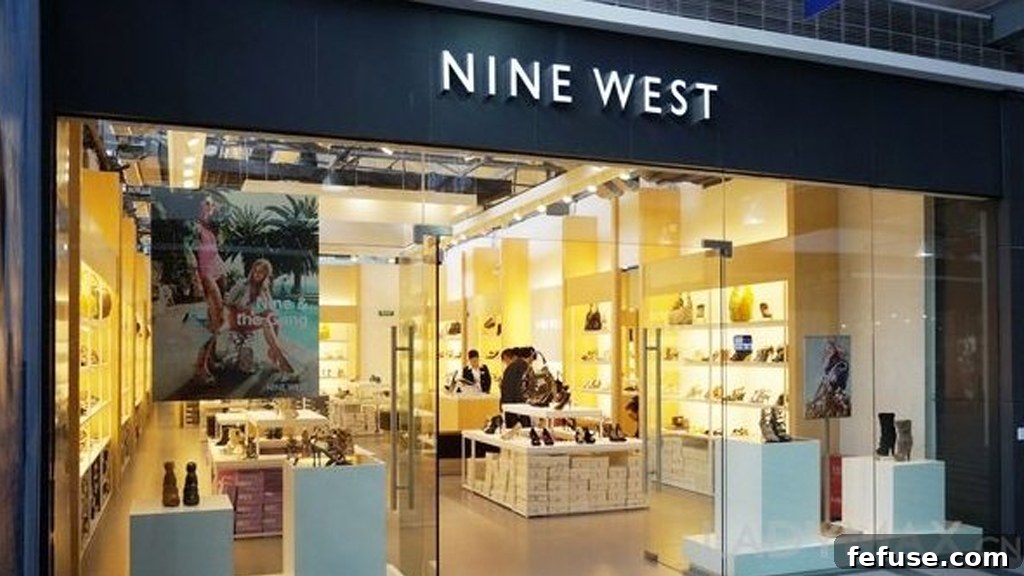
The challenges faced by Nine West Holdings are indicative of broader shifts and pressures within the traditional brick-and-mortar retail sector. As of March 31, 2018, Nine West operated 70 physical retail stores across the United States under the Nine West and Easy Spirit banners. However, these stores have been a significant source of concern. The company’s statement explicitly noted that “performance has continued to decline and has been a drag on earnings.” This frank assessment underscores the harsh realities of a retail environment increasingly dominated by e-commerce and shifting consumer preferences towards online shopping and experiential retail.
In response to these persistent challenges and as part of its comprehensive reorganization, Nine West has already taken decisive action regarding its retail footprint. The company previously announced plans to close all Easy Spirit stores, a move aimed at stemming losses from an underperforming brand and retail concept. Further demonstrating its commitment to rationalizing its physical presence, Nine West has also filed a petition to reject its remaining Nine West store leases. Rejecting leases in bankruptcy allows a company to terminate burdensome contracts without penalty, freeing it from ongoing rental obligations for unprofitable locations. This aggressive approach to store closures highlights the severe impact of declining foot traffic, increased competition from online retailers, and evolving consumer buying habits on traditional retail chains. By shedding these unprofitable physical locations, Nine West aims to reduce its overhead significantly and focus its resources on more viable sales channels and its core, profitable businesses.
A New Chapter: Vision for a Debt-Reduced Future
Looking ahead, interim CEO Ralph Schipani articulated a clear and optimistic vision for the reorganized Nine West Holdings. In a press statement, Schipani emphasized the company’s commitment to retaining and investing in its strong, profitable, and growing apparel, jewelry, and jeanswear businesses. “We will retain our strong, profitable, and growing apparel, jewelry, and jeanswear businesses and continue to operate them under a new capital structure so that we can leverage their existing strengths to drive even greater growth,” he stated. This declaration reinforces the strategic intent to foster these successful segments and capitalize on their inherent market advantages.
The primary benefit of the Chapter 11 reorganization, according to Schipani, will be a significant reduction in the company’s overall debt load and associated interest costs. “Once we complete the reorganization process, our company will have meaningfully reduced debt and interest costs and be well positioned for the future.” A lighter debt burden will free up vital capital that can be reinvested into product development, marketing, and the expansion of its profitable brands. This financial flexibility is crucial for navigating the competitive fashion industry and responding swiftly to market trends. By emerging from bankruptcy with a healthier balance sheet and a streamlined operational focus, Nine West Holdings aims to solidify its position as a formidable player in the apparel and accessories sector. The restructuring is not merely about survival but about establishing a robust foundation for sustainable growth, innovation, and long-term success in a dynamically changing global market.