
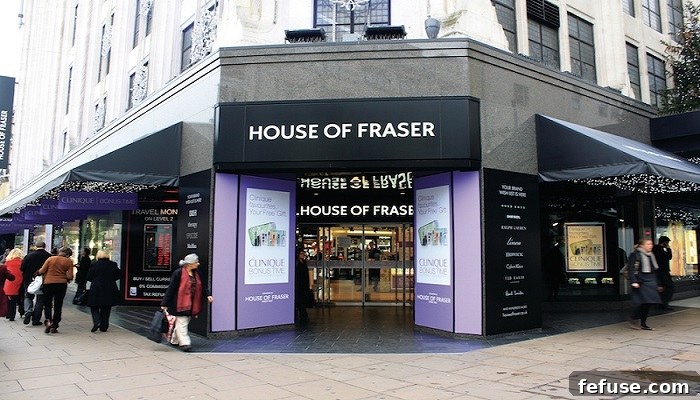
Sports Direct Rescues House of Fraser: Mike Ashley’s Bold Move in UK Retail
In a dramatic turn of events that sent ripples across the British retail sector, Mike Ashley’s Sports Direct International has successfully stepped in to acquire the struggling department store chain, House of Fraser. The deal, valued at £90 million, sees Sports Direct take ownership of all House of Fraser’s UK stores, the iconic brand itself, and all associated business stakes. This eleventh-hour rescue operation unfolded swiftly, cementing Mike Ashley’s position as a pivotal, and often controversial, figure in the ongoing transformation of the UK high street.
The acquisition was finalized earlier today, following an agreement reached with EY, the accountancy firm that had been appointed as administrator for House of Fraser just hours before. The speed of the transaction underscores the urgency of the situation and the critical need to secure a buyer for the historic retailer, which had been teetering on the brink of collapse for months. This strategic move by Sports Direct aims to stabilize and potentially revitalize a cornerstone of British retail, though the path ahead remains fraught with challenges.
The Deal Details: A Swift Acquisition and Broad Scope
The £90 million price tag represents a significant investment by Sports Direct, especially considering House of Fraser’s recent financial woes and the broader difficulties facing the department store sector. The comprehensive nature of the acquisition means that Sports Direct now controls the entirety of House of Fraser’s operational footprint within the United Kingdom. This includes all 59 of its physical stores, a crucial point of contention and relief for many. Remarkably, even the 31 stores previously earmarked for closure under earlier restructuring plans remained open for business today, offering a glimmer of hope for their longevity under the new ownership.
Sports Direct confirmed the specifics in a statement, noting: “The group has acquired all of the UK stores of House of Fraser, the House of Fraser brand and all of the stock in the business.” This highlights the ambition behind the purchase – not merely to acquire assets, but to fully integrate and leverage the brand equity of a long-established high street name. Mike Ashley, known for his aggressive business tactics and vast retail empire, already held a significant 11% stake in House of Fraser prior to this takeover. His interest in the department store sector is further evidenced by his close to 30% ownership in Debenhams, a direct competitor, suggesting a broader strategy to consolidate influence within the struggling UK department store landscape. This latest move is seen by many as a strategic expansion of Sports Direct’s portfolio, which already spans across sportswear, fashion, and other retail segments.
House of Fraser’s Precarious Journey to Administration
The acquisition by Sports Direct comes after a tumultuous period for House of Fraser, a brand with a rich heritage dating back to 1849. The department store had been battling a perfect storm of challenges, including intense competition from online retailers, escalating operational costs, changing consumer spending habits, and high business rates on its prime high street locations. These pressures had severely impacted its profitability and liquidity, pushing it closer to insolvency with each passing quarter, making its future increasingly uncertain.
Rescue talks, which had been ongoing for several weeks, ultimately collapsed on Thursday evening. Reports confirmed that discussions had “not concluded in a solvent solution,” leading to the inevitable appointment of administrators. This development followed earlier disappointments, notably the abandonment of a crucial £70 million funding deal by Chinese firm C.banner International earlier this month. The withdrawal of C.banner’s investment was a major blow, removing a vital lifeline and accelerating the need for an alternative solution to save thousands of jobs and maintain a presence on the UK high street.
In the final days leading up to the administration, speculation was rife about potential bidders. Mike Ashley reportedly fended off competition from other interested parties, including Philip Day, the owner of Edinburgh Woollen Mills, highlighting the intense interest in acquiring a brand, despite its financial difficulties, that still holds significant recognition and prime retail locations. The urgency of the situation underscored the critical need for a decisive buyer to step in and prevent a complete collapse.
Uncertainty Lingers for 29,000 Employees
While the acquisition by Sports Direct has prevented an immediate collapse, the fate of House of Fraser’s extensive workforce remains a primary concern. The deal went through with significant details still unclear regarding the future of approximately 17,500 House of Fraser staff and an additional 11,500 employees working for concessions within its stores. This combined figure of 29,000 jobs represents a substantial portion of the UK retail workforce, and their security will be under intense scrutiny as Sports Direct begins to integrate the business and implement its strategic plans.
Historically, takeovers of struggling retailers often lead to significant restructuring, which can include job losses, store closures, and renegotiation of contracts. While all 59 stores were open today, the long-term viability of each location, especially those that were already unprofitable, will undoubtedly be reviewed. Employees across the chain will be anxious for clarity on their positions, benefits, and the overall strategy Sports Direct will adopt for managing such a large and diverse workforce. The process of integrating the staff and harmonizing employment terms will be a critical task for the new ownership, with widespread implications for countless families and local economies.
Mike Ashley’s Vision: The “Harrods of the High Street”?
Mike Ashley’s track record suggests a bold, often disruptive, approach to retail. His stated ambition for House of Fraser has previously included transforming it into the “Harrods of the high street.” This vision implies a move towards a more premium offering, potentially leveraging House of Fraser’s established brand name and prime locations to compete in the luxury segment. Such a transformation would require substantial investment, a strategic overhaul of merchandising, and a reimagining of the customer experience, moving away from its previous identity and aiming for a higher market position.
Sports Direct’s acquisition of House of Fraser also opens up significant opportunities for synergy within Ashley’s broader retail empire. The Sports Direct group already includes a range of fashion and lifestyle brands, such as Flannels and USC, alongside Game Digital and Sofa.com. House of Fraser could serve as a valuable platform to showcase these existing brands, introduce new concepts, or even house Sports Direct’s own premium sports and leisure offerings. This cross-pollination could help to diversify House of Fraser’s product range and attract a broader customer base, breathing new life into the traditional department store model and potentially creating a unique retail destination.
Navigating the Evolving UK Retail Landscape
The acquisition of House of Fraser is more than just a corporate takeover; it’s a significant indicator of the turbulent state of the UK retail landscape. The high street has been under immense pressure for years, with numerous iconic brands falling victim to changing consumer habits and the rise of e-commerce giants. Retailers are grappling with increasing operating costs, including rents and business rates, alongside a more cautious consumer spending environment influenced by economic uncertainties such as Brexit and inflation. This challenging environment has forced many traditional retailers to re-evaluate their business models.
Department stores, in particular, have struggled to adapt. Once the cornerstone of urban shopping, many have failed to innovate fast enough to remain relevant in an age where convenience and online selection often trump the physical shopping experience. This acquisition highlights a trend towards consolidation, where stronger, more diversified groups like Sports Direct are picking up distressed assets at potentially attractive valuations. The challenge for Ashley will be to demonstrate that the traditional department store format can still thrive in a digital-first world, perhaps by integrating online and in-store experiences more seamlessly and curating a truly unique product offering that justifies a physical presence.
Future Outlook and Challenges for the New House of Fraser
While the immediate future of House of Fraser has been secured, the road ahead for Sports Direct will be far from easy. Integrating a business of this scale and complexity, especially one with significant legacy issues such as outdated infrastructure, expensive property leases, and potentially complex supplier relationships, presents numerous challenges. These include rationalizing the store portfolio, renegotiating expensive property leases, streamlining supply chains, unifying disparate IT systems, and managing a workforce accustomed to a different corporate culture. Each of these elements requires careful strategic planning and execution to ensure a successful turnaround.
The key to success will lie in Mike Ashley’s ability to execute his vision effectively. Can he truly elevate House of Fraser to a premium standing while simultaneously making it profitable in a challenging market? Will his typically aggressive cost-cutting measures alienate the existing customer base or prove necessary for survival? The balance between preserving the heritage of the House of Fraser brand and implementing a radical transformation will be delicate. Achieving this equilibrium will require a deep understanding of the market, careful brand management, and strong operational leadership.
This acquisition marks a pivotal moment for both Sports Direct and the wider UK retail sector. It represents not just the rescue of a historic brand, but also a bold wager on the future of the physical department store. All eyes will now be on Mike Ashley to see if he can navigate these challenges and breathe new, sustainable life into House of Fraser, transforming it from a symbol of high street decline into a beacon of retail reinvention in the ever-evolving landscape of modern commerce.
News Source: professionaljeweller.com