
Global Luxury Market: Navigating Growth, Resilience, and Evolving Consumer Trends
The global luxury market is poised for significant expansion this year, with optimistic projections suggesting an increase of up to 12 percent. This robust growth hinges primarily on a strong rebound in China following its recent lockdowns, coupled with sustained economic momentum across Europe and the Americas. Even in a more conservative scenario, where a general economic slowdown occurs and China’s recovery is more gradual, sales in the luxury sector are still anticipated to climb by at least five percent compared to 2022 figures. These insights come from a comprehensive joint report by leading business consultants Bain & Company and the esteemed Italian luxury industry association, Altagamma, highlighting the sector’s remarkable adaptability and enduring appeal.
The personal luxury goods market demonstrated exceptional strength in 2022, achieving a record valuation of $378 billion despite a landscape fraught with geopolitical tensions and considerable macroeconomic uncertainty. This impressive performance underscores the inherent resilience of the luxury sector, positioning it for continued upward trajectory. Looking ahead, experts forecast that the market could surge to an astounding $624 billion by the year 2030, driven by shifting consumer behaviors, emerging markets, and sustained demand for high-quality, aspirational products.
The Resilient Rise of the Luxury Market: A Deep Dive into Performance and Projections
The luxury industry has entered a fascinating new phase, moving beyond its immediate post-pandemic boom. As Claudia D’Arpizio, lead author of the influential study, aptly notes, “The luxury industry is experiencing a new phase after its post-pandemic growth, with renewed drivers of resilience establishing winners and losers.” This period is characterized by a recalibration of consumer values and market dynamics, where strategic agility and a deep understanding of evolving preferences are paramount for brands aiming to thrive.
The stellar performance observed in the first quarter of 2023 has been fueled by a confluence of favorable factors. A gradual easing of hyperinflationary pressures has bolstered consumer confidence, particularly in key European markets. Concurrently, China’s decisive move to lift its stringent zero-Covid policy restrictions has unleashed pent-up demand, injecting significant vitality back into the global luxury ecosystem. Furthermore, Japan and Southeast Asia are experiencing positive momentum, significantly amplified by a surge in intraregional tourism, which directly translates into increased luxury retail activity.
However, the report also offers a note of caution, particularly concerning the United States market. A slowdown is anticipated as American consumers grapple with concerns about a potential economic recession. While the luxury sector often exhibits relative insulation from broader economic downturns due to its affluent customer base, persistent inflation and recessionary fears can still temper discretionary spending, even among high-net-worth individuals. Understanding these regional nuances is critical for luxury brands formulating their global strategies.
Key Drivers Shaping Luxury Growth in 2023 and Beyond
China’s Crucial Comeback: A Catalyst for Global Luxury
The reopening of China stands as arguably the most significant driver for the global luxury market in 2023. With the lifting of zero-Covid policies, Chinese consumers, renowned for their avid interest in luxury goods, are resuming travel and in-person shopping experiences. This return to normalcy is unlocking substantial pent-up demand, both domestically and internationally, as Chinese tourists once again become a dominant force in global luxury shopping destinations. The speed and scale of this recovery will be pivotal in determining the upper limits of market growth for the year.
Europe and the Americas: Sustained Momentum Amidst Shifting Tides
While China captures headlines, Europe and the Americas continue to be foundational pillars of the luxury market. Europe benefits from recovering tourist flows and resilient local demand, particularly for iconic brands and heritage craftsmanship. In the Americas, despite recessionary concerns, a segment of affluent consumers maintains strong purchasing power. The challenge for brands in these regions lies in navigating localized economic conditions while reinforcing brand loyalty and delivering exceptional customer experiences that transcend economic uncertainties.
Asian Powerhouses: Japan and Southeast Asia’s Ascendance
Beyond China, Japan and the vibrant markets of Southeast Asia are emerging as significant growth engines. Japan, with its discerning consumers and strong appreciation for quality, is experiencing renewed vigor. Southeast Asian nations, including Thailand, Singapore, and Vietnam, are witnessing a burgeoning middle class and increasing affluence, making them attractive targets for luxury expansion. The rise of intraregional tourism within Asia further amplifies this growth, as consumers travel within the region and engage in luxury retail.
Top-Performing Categories and Evolving Consumer Behavior
The Enduring Allure of Watches and Jewelry
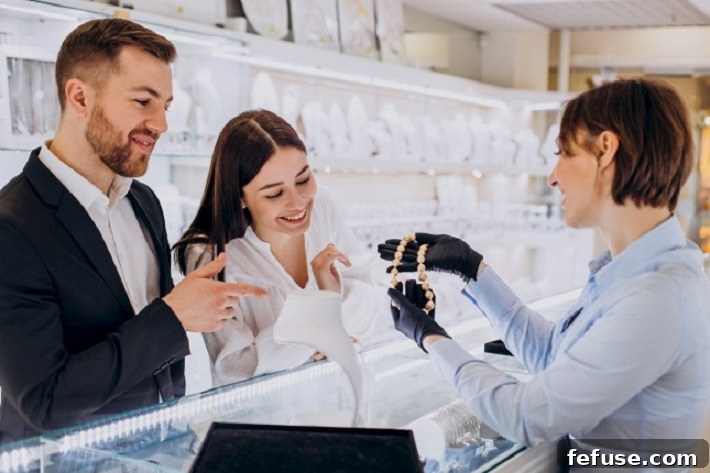
Among the various luxury segments, watches and jewelry currently stand out as top performers. This category’s growth is largely driven by the unparalleled appeal of iconic models from a select few giant brands. Customers are increasingly adopting a “less but better” philosophy, seeking investment-worthy pieces that offer lasting value, craftsmanship, and heritage. Rather than accumulating numerous items, consumers are prioritizing fewer, higher-quality purchases that resonate with their personal style and offer intrinsic value, often becoming generational heirlooms.
The “Less but Better” Philosophy: A Paradigm Shift
This “less but better” mindset extends beyond watches and jewelry, influencing purchasing decisions across the entire luxury spectrum. Consumers are becoming more discerning, prioritizing quality, durability, ethical sourcing, and the story behind a brand. They are seeking authenticity and products that reflect their values, moving away from ostentatious consumption towards more thoughtful and meaningful acquisitions. This shift challenges brands to not only deliver exquisite products but also to communicate their unique heritage, craftsmanship, and commitment to sustainability.
Emerging Trends and the Future Outlook for Luxury
Sustainability and Ethical Luxury: A Growing Imperative
The demand for sustainable and ethically produced luxury goods is no longer a niche concern but a mainstream expectation. Modern luxury consumers, particularly younger generations, are increasingly aware of environmental and social impacts. Brands that transparently demonstrate their commitment to sustainability, from sourcing raw materials to production processes and packaging, are gaining a significant competitive edge. This includes initiatives like circular economy models, fair labor practices, and reduced carbon footprints.
The Digital Transformation of Luxury: Beyond E-commerce
While e-commerce has become an indispensable channel, the digital transformation of luxury extends far beyond online sales. Brands are exploring innovative digital experiences, including virtual try-ons, augmented reality (AR) product showcases, and personalized online consultations. The metaverse and Web3 technologies, such as NFTs, are also beginning to emerge as new frontiers for luxury brands to engage with consumers, offer exclusive digital assets, and build unique brand communities, creating immersive and interactive experiences.
Generational Shifts: Millennials and Gen Z Reshaping Luxury
Millennials and Gen Z are rapidly becoming the dominant consumer segments in the luxury market. These generations have distinct expectations: they value experiences over possessions, authenticity over tradition, and social consciousness over status symbols. Luxury brands must adapt their marketing strategies, product offerings, and communication channels to resonate with these tech-savvy, socially aware consumers, often through influencer collaborations, digital storytelling, and a strong emphasis on brand purpose.
Polarization of the Market: Winners and Losers
The luxury market is becoming increasingly polarized, creating “winners and losers” as noted by experts. Brands with strong heritage, clear brand identity, innovative product lines, exceptional customer service, and robust digital strategies are poised for greater success. Conversely, brands that fail to adapt to changing consumer behaviors, invest in digital transformation, or align with ethical and sustainable practices may struggle to maintain market share. This dynamic encourages continuous innovation and strategic repositioning within the industry.
Navigating Potential Challenges and Sustaining Growth
Despite the optimistic outlook, the luxury sector is not immune to potential headwinds. Ongoing economic uncertainty, including persistent inflation and the threat of recession in key markets, necessitates careful monitoring. Geopolitical tensions continue to pose risks, impacting supply chains, travel patterns, and consumer sentiment. Furthermore, maintaining supply chain resilience and ethical sourcing in a complex global environment remains a critical operational challenge for luxury brands. However, the sector’s historical ability to adapt, innovate, and cater to an affluent clientele positions it well to navigate these complexities.
In conclusion, the global luxury market stands on the cusp of significant growth, propelled by the resurgence of Chinese consumption, steady performance in established markets, and the burgeoning potential of Southeast Asia. While challenges such as economic uncertainty and evolving consumer expectations persist, the industry’s inherent resilience, coupled with its strategic embrace of sustainability, digital innovation, and a deep understanding of the “less but better” philosophy, positions it for a dynamic and prosperous future. The brands that prioritize authenticity, experience, and ethical practices will undoubtedly emerge as leaders in this exciting new era of luxury.