
Alrosa’s Robust Q3 2020 Rebound: Navigating the Diamond Market’s Post-Pandemic Recovery
The global diamond industry faced unprecedented challenges in the first half of 2020, as the COVID-19 pandemic triggered widespread lockdowns, disrupted supply chains, and significantly impacted consumer spending. However, the third quarter brought a much-needed breath of fresh air, with leading players demonstrating remarkable resilience and signs of a strong market rebound. Russian diamond mining giant, Alrosa, a global leader in diamond exploration, mining, and sales, emerged as a prime example of this recovery, reporting impressive performance metrics that signaled renewed confidence across the value chain.
Alrosa’s Q3 2020 figures provided a critical barometer for the health of the diamond market, showcasing a substantial turnaround after a tumultuous period. The company’s strategic adjustments and the gradual easing of global restrictions played a pivotal role in this resurgence, positioning Alrosa at the forefront of the industry’s path to recovery.
A Glimpse into Alrosa’s Strong Q3 2020 Performance
Sustained Production Levels Amidst Market Volatility
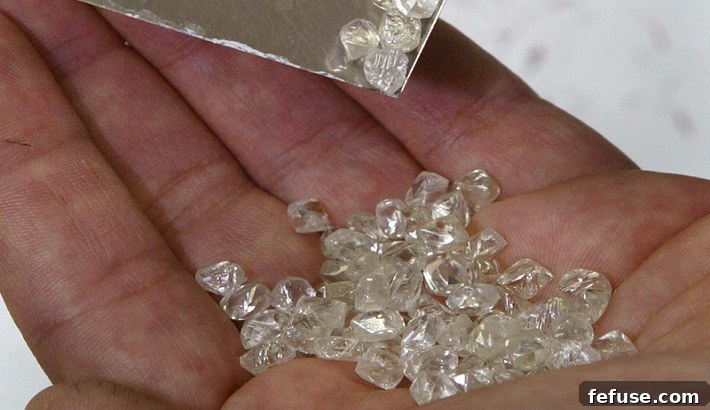
Despite the prevailing uncertainties and the initial market contraction, Alrosa maintained significant operational capacity. In the third quarter of 2020, the company reported a robust production of over nine million carats. This consistent output underscored Alrosa’s operational efficiency and its commitment to ensuring a steady supply of rough diamonds to the market. Operating across vast and resource-rich regions of Yakutia and Arkhangelsk, Alrosa’s mining complexes continued to function, albeit with necessary health and safety adjustments, preventing a complete collapse of the supply side during a critical period.
Maintaining such high production levels was a testament to the company’s strategic planning and its long-term vision, ensuring that as demand began to pick up, the industry pipeline would not be starved of essential raw materials. This steady stream of rough diamonds was crucial for the entire value chain, from cutters and polishers in India to jewelers and retailers globally, providing the necessary inventory to meet the burgeoning consumer demand.
A Staggering 700% Sales Surge Signals Market Confidence
Perhaps the most compelling indicator of the market’s recovery was Alrosa’s sales performance. The company reported a remarkable quarter-on-quarter increase in sales, reaching five million carats in Q3 2020. This figure represents an astonishing approximately 700% increase compared to the severely subdued second quarter of the year. The second quarter had been characterized by widespread store closures, travel bans, and consumer apprehension, leading to historically low sales volumes across the luxury sector.
This dramatic rebound in sales wasn’t just a win for Alrosa; it represented a strong affirmation of renewed market confidence and a willingness among retailers and consumers to re-engage with the diamond market. The sharp upward trajectory in sales volume highlighted the latent demand that had been suppressed during the peak of the pandemic, now unleashed as conditions began to normalize. This rapid acceleration indicated a pivotal shift from crisis management to active market participation, setting a positive precedent for the upcoming holiday season.
Key Factors Fueling Alrosa’s Diamond Market Resurgence
Several converging factors contributed to Alrosa’s impressive Q3 turnaround, illustrating the complex interplay of supply chain dynamics, consumer behavior, and global health developments.
Retailers Rebuild Inventories as Demand Returns
One of the primary drivers behind the sales surge was the critical need for retailers to replenish their severely depleted stocks. During the early months of the pandemic, with brick-and-mortar stores shuttered and future demand highly uncertain, many retailers halted new purchases and focused on clearing existing inventory. This cautious approach led to significantly low stock levels across the entire diamond pipeline. As consumer confidence slowly returned and stores began to reopen, jewelers faced an immediate requirement to restock their shelves, particularly in anticipation of the crucial year-end holiday shopping season. Alrosa, as a major supplier of rough diamonds, was ideally positioned to meet this urgent demand, enabling retailers to prepare for increased customer traffic.
Global Restrictions Ease, Revitalizing Brick-and-Mortar Sales
The gradual loosening of COVID-19 restrictions worldwide played a monumental role in revitalizing the diamond market. As national and local governments eased lockdown measures, physical retail stores, including jewelry boutiques, were permitted to reopen their doors. This allowed consumers to once again experience the tactile and emotional aspects of purchasing diamonds in person, which is often a significant part of the luxury buying process. The reopening of stores also facilitated the revival of consumer foot traffic and traditional sales channels, which are still vital for high-value purchases like diamonds, despite the growth of e-commerce.
The Unprecedented Boom in Online Diamond Sales
Complementing the reopening of physical stores, the pandemic dramatically accelerated the trend towards online shopping across all sectors, and the diamond industry was no exception. Consumers, accustomed to digital convenience during lockdowns, increasingly turned to online platforms for their luxury purchases. Diamond companies, including Alrosa and its partners, swiftly adapted by enhancing their e-commerce capabilities, offering virtual viewing experiences, and improving digital security and trust. This boom in online sales broadened the reach of diamond retailers and provided a resilient sales channel even in areas where physical restrictions remained in place. The digital transformation of the diamond market, once a slow process, experienced a quantum leap, promising long-term shifts in how diamonds are bought and sold.
Industry-Wide Price Adjustments Stimulate Buying Activity
The diamond industry, recognizing the need to stimulate demand in a challenging economic climate, strategically lowered its prices during the third quarter. This adjustment made diamonds more accessible and attractive to consumers, encouraging purchases that might have otherwise been deferred. For retailers and manufacturers, these more competitive rough diamond prices provided better margins and an incentive to buy, driving volumes up. Alrosa, like other major miners, likely engaged in flexible pricing strategies to support its long-term clients and ensure liquidity in the market, playing a crucial role in re-energizing the supply chain and consumer interest.
Regional Market Dynamics: US, China, and India Lead the Recovery
The recovery was not uniform across all geographies, with certain key markets demonstrating exceptional performance, underscoring their vital roles in the global diamond trade.
Strong Demand in Key Markets: The US and China
Alrosa noted a significant year-on-year growth in jewelry sales over the third quarter in specific markets, particularly the United States and China. These two economic powerhouses are consistently among the largest consumers of luxury goods, including diamonds. China, having implemented early and stringent measures to control the pandemic, saw its economy rebound relatively quickly, leading to a resurgence in domestic consumer spending. Chinese consumers, unable to travel abroad for luxury shopping, redirected their expenditure to the domestic market, boosting local jewelry sales.
In the US, despite ongoing challenges, consumer demand for luxury items remained robust. Many consumers, facing travel restrictions and fewer experiential spending opportunities, opted for tangible, meaningful purchases like jewelry. The resilience of the American consumer, coupled with adapted retail strategies, ensured that the US market continued to be a strong pillar of support for the diamond industry’s recovery.
India’s Partial Recovery: A Vital Link in the Diamond Pipeline
India holds an indispensable position in the global diamond industry, serving as the world’s primary hub for cutting and polishing rough diamonds. The severe lockdowns imposed in India earlier in the year had a devastating impact on the global supply chain, causing significant backlogs and operational halts. Alrosa noted that restrictions in India were eased in August, resulting in a partial but crucial improvement in sales within the region. The reopening of cutting and polishing units in cities like Surat was vital for processing the rough diamonds supplied by miners like Alrosa and preparing them for the global jewelry market. This partial improvement signaled the gradual recommencement of the “midstream” sector, which is essential for transforming rough diamonds into finished gems ready for retail.
Balancing the Books: Alrosa’s Nine-Month Outlook and Future Prospects
Navigating a Challenging Year: The Cumulative Impact of 2020
While the third quarter presented a powerful narrative of recovery, it’s crucial to contextualize Alrosa’s performance within the broader annual picture. Despite the robust Q3, Alrosa’s nine-month sales (January to September 2020) decreased by around 40% compared to the previous year, totaling only 15.1 million carats. This admission by the company highlights the severe impact of the first two quarters of the year, when demand plummeted globally. Even a strong Q3 rebound, therefore, could not fully offset the significant cumulative losses incurred during the initial and most intense phases of the pandemic. This figure underscores the unprecedented challenges faced by the industry as a whole, revealing that while recovery was underway, the path to full normalization would be a gradual one.
The Diamond Industry’s Resilience and Evolving Landscape
Alrosa’s Q3 2020 performance serves as a powerful testament to the resilience and enduring appeal of diamonds, even in the face of global crises. The industry’s ability to adapt rapidly, pivot to online channels, and strategically adjust pricing facilitated a quicker rebound than many might have anticipated. As the world navigates ongoing health and economic uncertainties, the diamond market continues to evolve. Key trends like the growing importance of e-commerce, shifting consumer preferences towards ethical sourcing and sustainability, and the continued dominance of markets like China and the US will shape the future trajectory of global diamond sales.
Alrosa, as a major player, is well-positioned to leverage these trends, demonstrating its capacity for strategic decision-making and operational agility. The recovery witnessed in Q3 2020 provided a solid foundation for the industry to build upon, offering optimism that the timeless allure of diamonds will continue to capture hearts and fuel a vibrant global market.