
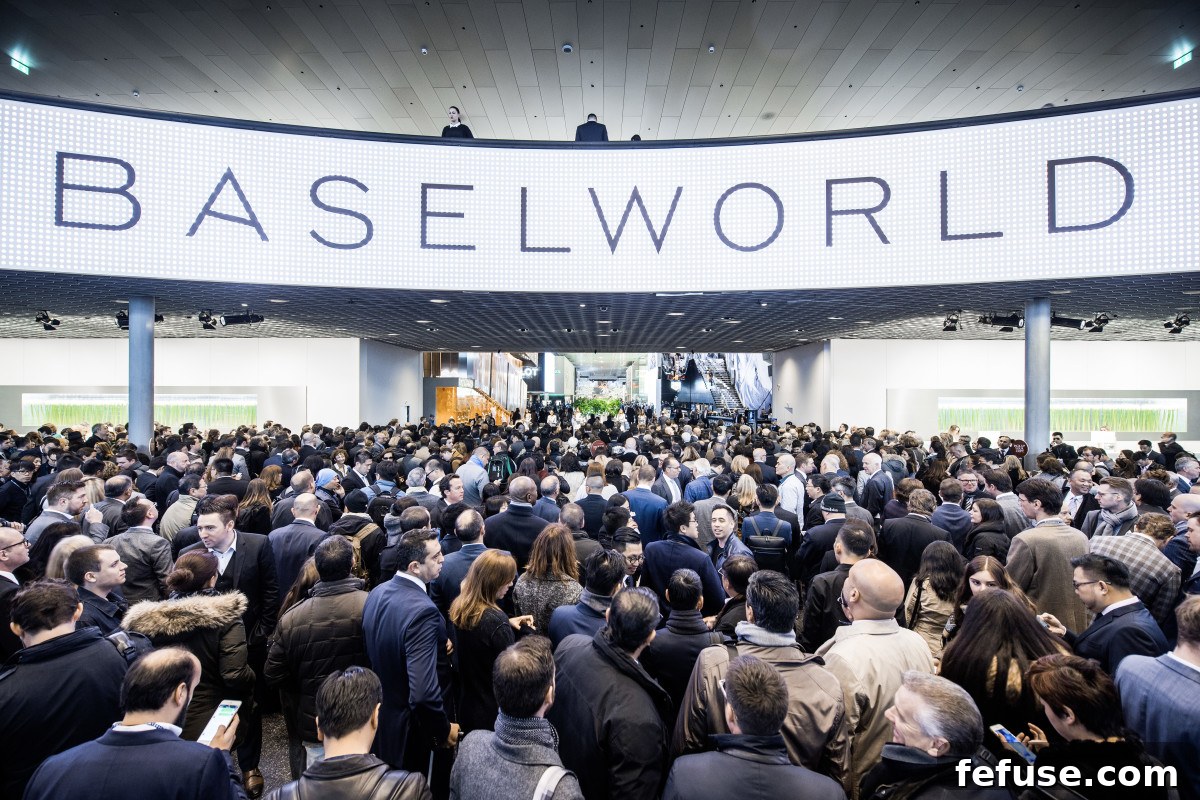
Baselworld’s Strategic Evolution: A Resilient Comeback in the Luxury Watch and Jewelry Arena
Baselworld, the revered international trade show for the watch and jewelry industry, has demonstrated remarkable resilience and strategic foresight, registering a significant uptick in specialist attendance despite a deliberate reduction in its overall footprint. Recent event statistics reveal a healthy 8% increase in industry experts and key decision-makers gracing the show floor during its initial two days, a compelling testament to the event’s enduring appeal and successful recalibration within a dynamic global luxury market. This surge in high-quality visitor engagement, compared to the same period in the 2017 edition, signals a triumphant pivot towards a more focused and impactful exhibition experience, solidifying Baselworld’s indispensable role as a nexus for global horology and haute joaillerie.
The positive sentiment surrounding this year’s Baselworld is particularly noteworthy given the comprehensive structural changes implemented by the organizers. Far from a mere reduction, these adjustments represent a thoughtful response to evolving industry needs and a strategic embrace of quality over sheer quantity. The event, historically an eight-day spectacle, was streamlined to a more concentrated six-day format. Concurrently, the number of exhibiting brands was carefully curated, shrinking from approximately 1,300 in 2017 to a more selective 600-700 this year. These decisive measures were aimed at fostering a more intimate, productive, and ultimately more valuable environment for both exhibitors and attendees, aligning with contemporary expectations for high-end trade events.
A Closer Look at the Numbers: Quality Over Quantity Prevails
The 8% increase in footfall from industry specialists is more than just a statistic; it’s a powerful indicator of Baselworld’s refined appeal. In an era where traditional trade shows face scrutiny regarding their return on investment and relevance, this growth in expert attendance underscores a successful strategy. It suggests that the curated selection of exhibitors and the concentrated duration have attracted a higher caliber of visitors – professionals, buyers, media, and key opinion leaders – who are genuinely invested in sourcing new products, forging partnerships, and tracking industry trends. This shift away from mass attendance towards a targeted, high-value audience is a critical victory for the show, validating its strategic decisions.
This improved quality of visitors creates a more efficient and effective environment for participating brands. For luxury watchmakers and high-end jewelers, the opportunity to connect with pre-qualified buyers and influential media directly translates into tangible business outcomes and enhanced brand visibility. The focused energy on the show floor means less distraction and more meaningful interactions, a welcome development for companies investing significant resources in their Baselworld presence. This strategic emphasis on quality interactions is proving to be a winning formula, ensuring that the exhibition remains a vital platform for commerce and innovation within the luxury sector.
The Strategic Pivot: Adapting to Modern Market Dynamics
Baselworld’s decision to downsize was not impulsive but rather a meticulously planned response to multifaceted challenges confronting the luxury watch and jewelry market, as well as the broader trade show landscape. The increasing costs associated with exhibiting, coupled with shifting global economic conditions and evolving consumer behaviors, had prompted several high-profile brands to reconsider their participation in large-scale events. Furthermore, the advent of digital communication and e-commerce platforms has provided alternative avenues for brand showcasing and product launches, placing pressure on traditional formats to justify their existence.
Recognizing these seismic shifts, the organizers embarked on a comprehensive restructuring designed to revitalize the show’s value proposition. The reduction in duration addressed feedback regarding the intensity and expense of an eight-day commitment, making the event more accessible and efficient for participants. Simultaneously, the more selective exhibitor list was aimed at enhancing the overall quality and coherence of the presentation, ensuring that attendees were exposed to the industry’s most compelling innovations and established leaders. This bold adaptation demonstrates Baselworld’s commitment to remaining at the forefront of the luxury market by offering an experience truly tailored to modern demands.
Voices from the Industry: A Resounding Affirmation
The effectiveness of Baselworld’s strategic recalibration is perhaps best encapsulated by the enthusiastic feedback from exhibiting industry leaders. Karl-Friedrich Scheufele, Co-President of the illustrious Chopard, conveyed palpable satisfaction, stating, “The 2018 show started very positively, we were able to welcome many partners from all over the world and have received a very keen interest in our new products.” This sentiment resonates deeply within an industry that thrives on personal relationships and the tangible experience of luxury craftsmanship. The ability to present new collections directly to a global network of partners and observe their immediate, genuine interest is invaluable.
Scheufele further underscored the show’s enduring significance, asserting, “The great response demonstrates once again that Baselworld is and remains an indispensable platform for exchange for the watch and jewelry industry.” This highlights the unique role Baselworld plays not just as a marketplace, but as a critical forum for dialogue, networking, and the cross-pollination of ideas that drive innovation in horology and jewelry design. The physical interaction, the ability to touch, feel, and try on exquisite timepieces and sparkling gems, remains irreplaceable for the high-value transactions characteristic of the luxury sector, cementing the importance of such a dedicated gathering.
Beyond Chopard, numerous other exhibiting brands have echoed this positive sentiment. A prominent CEO from a leading Swiss watch manufacturer, preferring to remain anonymous, commented on the improved atmosphere: “There’s a noticeable shift. The corridors feel less congested, yet every conversation feels more focused and productive. We’re meeting with serious buyers and highly influential media, which is precisely what we need.” Similarly, a representative from an innovative jewelry house noted, “The curated environment allows our unique designs to truly stand out. We’ve seen an increase in quality inquiries and direct orders, indicating that the right people are here and engaged.” This anecdotal evidence strongly reinforces the success of the new strategy.
Beyond the Exhibition Floor: The Evolving Role of Baselworld
Baselworld’s importance extends far beyond the mere transaction of goods. It serves as a critical barometer for the health and direction of the luxury watch and jewelry market, an annual congregation where trends are set, innovations are unveiled, and the collective pulse of the industry is felt. The heightened attendance of specialists and positive feedback suggests that despite its smaller scale, the event has amplified its role as a trend-setting platform. Buyers and media gather to witness firsthand the design philosophies, technological advancements, and marketing narratives that will shape the coming year, making it an essential reference point for the entire ecosystem.
Moreover, the event remains an unparalleled networking hub. For independent watchmakers to established global conglomerates, Baselworld offers a rare opportunity for face-to-face meetings with distributors, retailers, suppliers, and fellow creatives from around the globe. These interactions foster collaborations, drive partnerships, and strengthen the intricate web of relationships that define the luxury goods industry. The ability to engage in direct, in-person discussions about market challenges, emerging opportunities, and future strategies provides invaluable insights that cannot be replicated through digital means alone.
Charting the Future: Baselworld’s Path Forward
The successful execution and positive reception of this year’s Baselworld mark a pivotal moment for the iconic trade show. It clearly demonstrates that strategic adaptation, rather than rigid adherence to past models, is key to sustained relevance in a rapidly evolving market. The focus on a more curated, high-quality experience has proven effective, and it is likely that future editions will continue to refine this approach, further cementing its position as the premier event for serious industry professionals.
Looking ahead, Baselworld may explore further innovations in presentation, integrating advanced digital tools to enhance the physical experience without diluting its core value. This could include personalized visitor guides, interactive product displays, or even hybrid formats that extend the show’s reach beyond the physical venue. The enduring appeal of luxury goods lies in their tangibility, craftsmanship, and the stories they tell, and Baselworld remains the ultimate stage for these narratives to unfold, connecting the artistry of creation with the passion of connoisseurs and the acumen of commerce.
As the show concluded on Tuesday, March 27, the overwhelming consensus was one of cautious optimism and renewed confidence. Baselworld has not merely survived; it has strategically evolved, demonstrating its capacity to adapt and thrive. By prioritizing quality connections and a refined experience, it continues to serve as an indispensable cornerstone for the global luxury watch and jewelry industries, poised to shape their future trajectory for years to come.