
Decoding Gem Diamonds’ H1 2019 Performance: Navigating the Shifting Sands of Large Diamond Recovery at Letšeng
Gem Diamonds, a leading producer of high-value rough diamonds, particularly renowned for its exceptional stones from the Letšeng mine in Lesotho, experienced a significant downturn in its financial performance during the first half of 2019. The period was marked by a sharp decline in profitability, predominantly attributed to a notable reduction in the volume of large, high-quality stones unearthed. This shift underscores the inherent volatility and geological unpredictability that define the ultra-luxury diamond mining sector, where the discovery of even a few extraordinary diamonds can profoundly impact a company’s bottom line and market perception.
The company reported a substantial 75% plunge in profit for the six months ending June 30, plummeting to just $6.6 million. This figure starkly contrasts with previous periods, highlighting the immediate and direct impact of fewer large diamond recoveries on Gem Diamonds’ operational efficiency and revenue streams. For a company whose unique selling proposition lies in its ability to consistently yield some of the world’s most valuable diamonds, a reduction in these signature finds poses a significant challenge, requiring strategic adjustments and a robust long-term vision to mitigate such fluctuations.
A key indicator of this challenging period was the recovery rate of truly exceptional diamonds. During the first half of 2019, the Letšeng mine yielded only three stones weighing more than 100 carats. This figure represents a dramatic decrease compared to the ten such stones recovered in the same period last year. Furthermore, it falls significantly below the average of seven 100-carat-plus diamonds typically mined in the first half of the year between 2008 and 2018. The consistent recovery of these ‘giants’ has historically cemented Letšeng’s reputation as the highest dollar per carat kimberlite diamond mine in the world. The recent slowdown in their discovery not only impacts immediate financial results but also raises questions about the long-term geological prospects and mining strategies for these rare treasures.
The repercussions of this scarcity were deeply felt across Gem Diamonds’ key financial metrics. Revenue from rough diamond sales saw a substantial 44% year-on-year decrease, settling at $94.5 million. Concurrently, the overall sales volume experienced a 10% drop to 55,714 carats. While a decrease in total carat volume is impactful, the more telling statistic for a high-value producer like Gem Diamonds is the average price per carat, which slid dramatically by 38% to $1,697. This steep decline in average price is a direct consequence of the lower proportion of exceptionally large and high-quality diamonds in the sales mix, underscoring how heavily the company’s profitability relies on these infrequent but extremely valuable finds.
Further illustrating this trend, the company successfully sold 15 individual stones for more than $1 million each during the period, collectively generating $41.6 million. While impressive by most industry standards, this performance was significantly down compared to the first half of 2018. The market for these ultra-high-value diamonds is highly specialized and sensitive to supply. A reduction in Gem Diamonds’ offerings of such stones not only reduces immediate revenue but can also influence its standing within this niche segment, emphasizing the critical importance of maintaining a consistent pipeline of these sought-after gems.
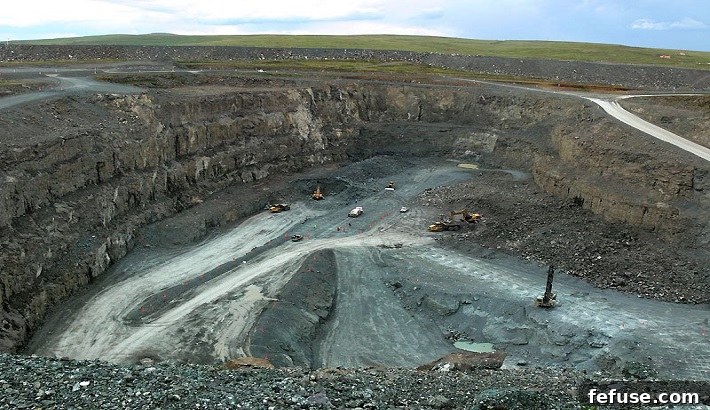
Delving into the operational aspects at the Letšeng mine, overall production experienced an 8% dip, resulting in a total yield of 56,668 carats. This reduction in output quantity was primarily attributed to a shift in the mining strategy and the geological areas being accessed. Specifically, the miner retrieved a larger proportion of its ore from the Main Pipe during this period. Diamonds extracted from the Main Pipe generally exhibit a lower grade and quality compared to those found in the Satellite Pipe. In contrast, the Satellite Pipe constituted the majority of the ore recovered during the same period in the previous year, which contributed to the higher average quality and presence of large stones. This strategic shift in mining focus, whether intentional or geologically necessitated, had a direct and discernible impact on the quality and value profile of the diamonds recovered, underscoring the complexities of managing resources within a rich yet geologically varied kimberlite deposit.
Beyond the operational challenges at Letšeng, Gem Diamonds also recorded a loss of $2.4 million stemming from the cost of discontinuing operations at its Ghaghoo site. This strategic decision to divest from non-core or less profitable assets is a common practice in the mining industry, allowing companies to refocus resources on their most promising projects. The company anticipates the finalization of the sale of the Ghaghoo deposit in the second half of the year, a move that is expected to streamline its portfolio and reduce ongoing liabilities, ultimately contributing to a more focused and efficient operational structure.
In response to the challenging market conditions and operational shifts, Gem Diamonds has proactively implemented a comprehensive cost-cutting program designed to enhance operational efficiency and financial resilience. To date, this initiative has successfully generated $42 million in savings, demonstrating the company’s commitment to fiscal discipline. Looking ahead, Gem Diamonds projects that it will achieve its ambitious target of $100 million in planned savings by 2021. Such measures are crucial for maintaining profitability and liquidity, especially during periods of reduced revenue and increased market uncertainty. These cost efficiencies are vital for ensuring the company’s long-term sustainability and its ability to continue investing in exploration and development at the valuable Letšeng mine.
The first half of 2019 presented a complex landscape for Gem Diamonds, marked by a confluence of geological challenges at its flagship Letšeng mine, leading to a significant impact on its financial performance. The reduced recovery of large, high-value diamonds from the Main Pipe, coupled with broader market dynamics, necessitated swift strategic responses. Through proactive cost-cutting measures and the strategic divestment of non-core assets like Ghaghoo, Gem Diamonds is positioning itself to navigate these headwinds. While the immediate outlook reflects the inherent volatility of mining ultra-rare resources, the company’s focus on operational efficiency and a streamlined asset base demonstrates a clear commitment to leveraging its unique position in the luxury diamond market and delivering long-term value to its stakeholders. The continued monitoring of geological exploration and mining methodologies at Letšeng will be paramount in determining its future success in unearthing the world’s most coveted diamonds.