
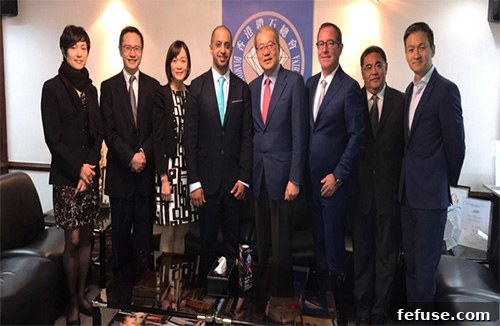
Kimberly Process Chair Intensifies Global Dialogue for a Transparent and Equitable Diamond Industry
In a determined stride to foster greater transparency and accountability within the global diamond sector, Ahmed Bin Sulayem, the incumbent Chair of the Kimberley Process (KP), recently concluded a highly strategic visit to Hong Kong. This pivotal trip saw the KP Chair engage in comprehensive discussions with key stakeholders, including esteemed delegations from the Diamond Federation of Hong Kong and prominent representatives from the leading jeweller Chow Tai Fook. The core agenda revolved around the various progressive programmes and reform initiatives that Bin Sulayem has passionately spearheaded throughout his transformative year at the helm.
This engagement in Hong Kong is not an isolated event but rather a significant continuation of a robust series of high-level diplomatic visits. Over the past year, Bin Sulayem has actively traversed continents, meeting with heads of states and senior ministers across major diamond-producing nations in Africa and key consuming markets in Europe. This global outreach strategy underscores a profound commitment to fortifying the Kimberley Process Certification Scheme (KPCS) and ensuring its sustained relevance in an evolving market landscape. The extensive discussions during these visits, including the recent one in Hong Kong, have consistently focused on critical issues pivotal to the future integrity and fairness of the diamond industry.
Elevating Standards: Key Proposals for a Stronger Kimberley Process
Central to these high-level dialogues were several transformative proposals put forth by the KP Chair, aimed at fundamentally enhancing the efficacy and fairness of the KPCS. These discussions delved into crucial topics designed to address long-standing challenges and pave the way for a more equitable and transparent future for the global diamond trade. Among the most prominent issues explored were the intricacies of rough diamond valuation, the strategic role it can play in ensuring fair value reaches the source markets in Africa, and forward-thinking institutional reforms for the Kimberley Process itself.
Ensuring Economic Justice: The Imperative of Fair Rough Diamond Valuation
A cornerstone of Bin Sulayem’s agenda, and a significant topic of discussion in Hong Kong, was the complex issue of rough diamond valuation. For too long, disparities in valuation methodologies have potentially deprived diamond-producing nations, particularly those in Africa, of their rightful share of the immense value generated by their natural resources. The discussions focused on developing more transparent, consistent, and equitable valuation practices that would directly contribute to delivering fair value to these crucial source markets. Implementing robust and standardized valuation systems is not merely an economic concern; it is a moral imperative that promotes sustainable development, empowers local communities, and fosters greater trust across the entire diamond supply chain. Fair valuation ensures that the wealth generated by these precious minerals genuinely benefits the people and economies of the producing countries, strengthening their position in the global diamond trade and reinforcing the principles of ethical sourcing.
Empowering Oversight: The Vision for a Common Fund for NGOs
Another crucial proposal championed by the KP Chair and discussed with Hong Kong leaders was the establishment of a common fund dedicated to supporting Non-Governmental Organizations (NGOs) involved in the Kimberley Process. NGOs play an indispensable role as independent monitors and advocates, providing critical oversight and holding stakeholders accountable to the KPCS standards. However, their capacity to operate effectively can often be constrained by inconsistent funding. A common fund would provide stable and predictable financial support, enabling these vital organizations to continue their essential work of monitoring the diamond supply chain, identifying potential abuses, and ensuring the integrity of the process. This initiative is designed to bolster the KP’s credibility and effectiveness, leveraging the expertise and vigilance of civil society to safeguard against the flow of conflict diamonds and reinforce responsible sourcing practices.
Building Continuity: Establishing a Permanent UN Secretariat for the KP
The Kimberley Process currently operates with a rotating chairmanship, which, while promoting broad participation, can sometimes lead to challenges in institutional memory, strategic continuity, and consistent policy implementation. To address this, Bin Sulayem has proposed the establishment of a Permanent UN Secretariat for the KP. This far-reaching proposal aims to provide the KP with a dedicated, professional, and independent administrative body, ensuring greater consistency in its operations, enhancing its long-term strategic planning capabilities, and solidifying its institutional framework. A permanent secretariat would offer crucial administrative support, facilitate communication among participants, and act as a central repository for knowledge and data, thereby strengthening the KP’s global governance and its capacity to respond effectively to emerging challenges in the diamond industry.
Engaging the Retail Sector: The Crucial Link to Consumer Trust
During his discussions in Hong Kong, Ahmed Bin Sulayem emphatically underscored the indispensable role of the retail sector in enhancing the KPCS and securing the future of the diamond industry. He articulated that while numerous governments and producers have been engaged, diamond retailers occupy a unique and powerful position. With their direct interface with consumers, retailers are not merely purveyors of finished products but vital gatekeepers of consumer trust and perception. Bin Sulayem stressed that these major industry players are uniquely positioned to advocate for and support the progressive proposals discussed at the KP Plenary, which many stakeholders regard as foundational elements for the sustained relevance and integrity of the Kimberley Process.
The KP Chair highlighted that the success of the KPCS hinges on the collective commitment of all segments of the diamond supply chain, right through to the point of sale. Retailers, through their marketing strategies and direct communication with consumers, possess the unparalleled ability to shape narratives around ethical sourcing and responsible practices. Their active participation and endorsement of enhanced transparency measures can significantly bolster consumer confidence, which is paramount in the luxury goods market. By actively engaging retailers, the KP aims to ensure that the principles of conflict-free and ethically sourced diamonds are not just a regulatory compliance but a powerful market differentiator and a source of profound pride for consumers.
Chow Tai Fook and China: Catalysts for Global Diamond Transparency
Recognizing the immense scale and global importance of Chow Tai Fook and the broader Chinese market, Bin Sulayem emphasized their potential to play a truly pivotal role in driving discussions around traceability and leading impactful marketing campaigns. The Chinese market, with its rapidly growing consumer base, represents a significant force in the global diamond trade. The commitment of key players like Chow Tai Fook to enhanced transparency can send a powerful signal throughout the industry and resonate deeply with discerning consumers.
Championing Traceability for Unwavering Consumer Confidence
Traceability, the ability to track a diamond from its mine of origin through every step of its journey to the consumer, is increasingly becoming a non-negotiable aspect of responsible sourcing. Bin Sulayem called upon Chow Tai Fook and other major retailers to be at the forefront of implementing and promoting robust traceability systems. Such systems not only provide undeniable proof of a diamond’s ethical origin, thereby enhancing consumer trust, but also help to prevent fraud and ensure that every stone contributes positively to its source communities. By investing in and transparently communicating their traceability efforts, retailers can solidify their reputation as champions of ethical practices and differentiate themselves in a competitive market, empowering consumers to make informed and responsible purchasing decisions.
Driving Marketing Campaigns for Integrity and Trust
The power of marketing to shape consumer perception and drive demand cannot be overstated. Bin Sulayem urged major retailers, particularly in the influential Chinese market, to leverage their extensive reach to launch impactful marketing campaigns that actively promote the integrity of the diamond supply chain. These campaigns could educate consumers about the Kimberley Process, highlight the positive socio-economic impact of ethically sourced diamonds, and demonstrate the industry’s collective commitment to transparency and responsibility. By actively telling the story of conflict-free diamonds and showcasing the rigorous efforts made to ensure their ethical journey, retailers can foster a deeper connection with consumers, build enduring brand loyalty, and instill unwavering confidence in the diamonds they purchase.
Fostering Direct Collaboration with Mining Communities for Shared Prosperity
A further critical point of discussion was the potential for retailers to work more closely with mining companies in the years to come. This direct collaboration offers numerous benefits across the entire supply chain. By reducing intermediaries, it can lead to more efficient operations, enhance transparency regarding pricing and practices, and, crucially, help ensure that African miners receive a fairer share of the value of their mineral resources. Such partnerships can facilitate direct investment in local communities, promote sustainable mining practices, and contribute to shared value creation that extends beyond simple commercial transactions. This closer integration between the retail and mining sectors represents a significant step towards creating a more robust, equitable, and sustainable global diamond industry, where every stakeholder benefits from a transparent and ethically sound supply chain.
A Holistic Approach: Strengthening the Global Diamond Ecosystem
The collective sum of these initiatives—fair rough diamond valuation, enhanced NGO funding, a permanent UN Secretariat, and active retailer engagement in traceability and ethical marketing—represents a holistic approach to strengthening the entire global diamond supply chain. Bin Sulayem’s visits and proposals are designed to create a comprehensive framework that not only safeguards against conflict diamonds but also promotes economic justice, environmental responsibility, and social empowerment across all facets of the industry. The ultimate goal remains to ensure that the beauty and allure of diamonds are matched by an unimpeachable commitment to ethical sourcing and responsible practices, benefiting everyone from the miners at the source to the consumers worldwide.
Forward Momentum: Sustaining the Dialogue and Driving Change
Following this productive visit to Hong Kong, the KP Chair’s mission to drive awareness and discuss crucial topics related to the KPCS will continue with an upcoming trip to Japan. This ongoing series of engagements underscores Ahmed Bin Sulayem’s unwavering dedication to fostering dialogue, building consensus, and implementing meaningful reforms during his tenure. The work of ensuring a truly conflict-free and ethically sound global diamond trade is an evolving journey that requires continuous vigilance, collaboration, and commitment from all international stakeholders. Through these proactive efforts, the Kimberley Process aims to reinforce its foundational mission and secure a brighter, more transparent future for the entire diamond industry, ensuring that every diamond tells a story of integrity and positive impact.