
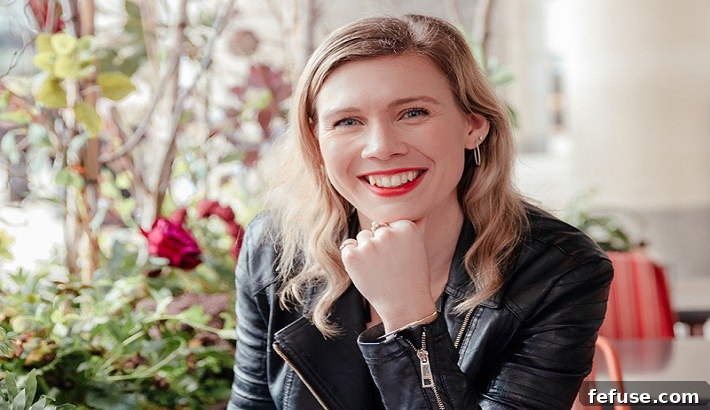
The Retail Revolution: How Independent Jewellers Like Roseanna Croft Are Redefining the High Street’s Future
As retailers across England grapple with the aftermath of renewed Covid-19 restrictions and calls for increased government funding to revitalize high street footfall, an independent jeweller offers a compelling counter-narrative. Roseanna Croft, whose namesake jewellery boutique in Bakewell transitioned to a London studio during lockdown, firmly believes that the current climate presents an unparalleled opportunity to fundamentally remodel the retail sector. Her insights suggest that the pandemic didn’t create the deep-seated issues plaguing retail but rather starkly exposed and accelerated pre-existing vulnerabilities, paving the way for a more conscious and customized future.
Beyond the Pandemic: Unmasking Retail’s Underlying Challenges
The prevailing narrative often attributes the struggles of the high street solely to the economic disruptions of the pandemic. However, Roseanna Croft, a distinguished founder, designer, and maker at Roseanna Croft Jewellery, asserts a more nuanced perspective. She contends that the true culprits behind the ailing high streets are systemic issues that have been eroding the sector for years: the relentless pursuit of fast fashion, the ubiquity of mass-produced goods, and a pervasive emphasis on poor-quality, disposable products. These factors, she argues, have fostered a culture of fleeting trends and impersonal transactions, ultimately detaching consumers from the true value and craftsmanship of their purchases.
For too long, the retail landscape has been dominated by a model that prioritizes volume over value, speed over substance, and profit margins over people and planet. This approach has led to an oversaturated market brimming with identical, often ethically questionable, items. Consumers, in turn, have become accustomed to a transactional relationship with brands, where the act of buying is often devoid of deeper meaning or connection. The pandemic, with its forced introspection and disruption of established routines, merely served as a catalyst, ripping away the veneer and exposing the inherent fragility of a retail system built on unsustainable foundations. Croft’s vision, however, points towards a more resilient and meaningful path forward, where custom-made products and robust online retail platforms are not just temporary solutions but the undeniable present and future of commerce.
The Dawn of Conscious Consumerism: A Shift in Values
The period of lockdown prompted a significant societal shift, compelling individuals to slow down, reflect, and re-evaluate their priorities. Health, family, wellbeing, and community took center stage, fostering a fresh perspective on what consumers truly seek from the retail sector. Roseanna Croft observes a profound evolution towards what she terms “conscious consumerism” – a collective awakening where consumers increasingly prioritize local communities and ethical practices over multinational conglomerates and impersonal convenience.
This evolving mindset transcends mere price points; it delves into the very essence of a product’s journey. In this “new normal,” the impulsive demand for “Now!” has largely given way to a more considered inquiry: “How?” Consumers are no longer content with instant gratification; they demand transparency and accountability. They want to know: “How is it made?” Does its production involve sustainable practices and fair labor? “How is it sourced?” Are the raw materials ethically obtained, and what is their environmental footprint? “How long will it last?” Is this an investment in quality, designed for longevity, or another disposable item contributing to waste? And crucially, “How will it impact the causes I care about?” Does the brand align with their personal values regarding social responsibility, environmental protection, or community support?
This heightened scrutiny signifies a fundamental shift away from passive consumption towards active participation in a more ethical marketplace. For brands, this isn’t just a trend; it’s an imperative for survival. Croft firmly believes that the only viable option for businesses hoping to thrive in this new landscape is to embrace this shift wholeheartedly, and for Roseanna Croft Jewellery, this path unequivocally lies in the bespoke market. This conscious choice empowers consumers to make purchasing decisions that resonate deeply with their personal values, transforming transactions into meaningful endorsements of responsible business practices.
The Bespoke Revolution: Crafting Uniqueness and Ethical Choices
Embracing the bespoke model is more than just a business strategy; it’s a philosophy that places the customer at the heart of the creative process. For Roseanna Croft, making pieces to order grants each client unparalleled freedom to meticulously select every single element of their desired jewellery. From the foundational choice of the band metal and its precise width to the intricate details of a stone’s cut and vibrant color, every decision rests with the customer. This collaborative design journey ensures that the final piece is not merely an accessory but a true reflection of their individual taste and personality.
This level of customization extends beyond aesthetics, empowering customers with complete control over the design, feel, and crucially, the budget of their bespoke creation. Moreover, the bespoke process inherently lends itself to ethical considerations, allowing for explicit requests regarding material sourcing. Clients can specify their preference for fair-trade metals and gemstones, choose locally sourced materials to support regional economies, or opt for recycled precious metals, significantly reducing environmental impact. This meticulous attention to detail ensures that each aspect of the jewellery piece can be aligned with the customer’s ethical convictions, transforming a beautiful object into a symbol of responsible luxury. In an era where authenticity and sustainability are paramount, bespoke craftsmanship offers a powerful answer to the call for more ethical and personalized consumption.
Beyond the Product: The Experiential Value of Bespoke Jewellery
In a world characterized by social distancing, reduced capacities in physical retail spaces, and limited opportunities for traditional in-person events, the bespoke design process offers a unique and invaluable “experience” that fills a significant void. Roseanna Croft highlights that designing and creating one-of-a-kind pieces transcends a simple transaction; it becomes an engaging and memorable journey for the customer. This intimate involvement provides a sense of connection and participation that off-the-shelf purchases simply cannot replicate.
Bespoke jewellery, in Croft’s eloquent words, offers customers a profound opportunity to “crystallize – quite literally – their personal stories.” Each commission is imbued with a special narrative, whether it’s chosen to commemorate the auspicious beginning of a new life chapter, such as an engagement or a new career, or to celebrate a significant milestone achieved along life’s intricate path, like an anniversary, a graduation, or the birth of a child. These pieces become tangible emblems of personal history, preserving memories and emotions within their exquisite forms.
Furthermore, the ability to rework existing pieces provides an even deeper, almost therapeutic, dimension to bespoke craftsmanship. It offers individuals the healing process of “rewriting their stories.” Imagine inheriting a cherished heirloom piece that carries immense sentimental value but perhaps doesn’t quite suit modern tastes. Through bespoke redesign, that piece can be transformed, reimagined to perfectly align with the owner’s contemporary style while preserving its historical significance and emotional connection. Similarly, jewellery from past relationships, once perhaps associated with complex emotions, can be lovingly reclaimed and redesigned into something entirely new and beautiful – pieces that can be loved and worn once more, symbolizing personal growth and renewed self-worth. This transformative power of bespoke jewellery places the ultimate authority and creative direction firmly in the hands of the customer. Moving definitively away from mass-produced, ready-made options towards truly unique, personalized creations imbues the entire experience with a sense of the personal, the intimate, and the authentic. These are precisely the elements – connection, meaning, and individuality – that individuals have come to cherish and seek out more than ever before in recent months, demonstrating a profound shift in consumer priorities towards experiences that resonate on a deeper emotional level.
The Future of Retail: A Paradigm Shift Towards Authenticity and Connection
Roseanna Croft’s vision for the retail sector is not merely about adapting to current challenges but about embracing a fundamental paradigm shift. The move towards bespoke, ethically sourced, and online-centric models is not a fleeting trend but a foundational re-alignment with evolving consumer values. This shift transcends the jewellery industry, offering a blueprint for other retail sectors to consider. Businesses that prioritize transparency, sustainability, and authentic customer engagement are poised to thrive in a landscape where consumers are increasingly discerning and value-driven.
The lessons learned during the pandemic are enduring. They highlight the fragility of over-reliance on traditional high street models and the imperative for innovation. Retailers must look beyond merely attracting footfall through discounts and understand that today’s consumer seeks a deeper connection with the brands they choose. This means investing in digital infrastructure, fostering genuine relationships, and offering products and services that tell a compelling story, reflecting both the brand’s ethos and the customer’s personal narrative. The future of retail lies in creating value beyond the mere product – in crafting experiences, upholding ethical standards, and building communities around shared values.
Conclusion: A New Era for Retail, Defined by Purpose and Personalization
The challenges facing the high street are undeniably complex, yet independent visionaries like Roseanna Croft demonstrate that these difficulties also harbor immense opportunities for transformation. By advocating for a pivot away from the pitfalls of fast fashion and mass production towards bespoke craftsmanship and conscious consumerism, Croft outlines a compelling path forward. Her success in transitioning Roseanna Croft Jewellery to a model centered on e-commerce and a London studio for bespoke commissions exemplifies the agility and foresight required in today’s dynamic market.
The essence of this retail revolution lies in empowering the customer. It’s about offering choices that resonate with personal values, providing an intimate design experience, and creating products imbued with individual stories and ethical integrity. As consumers continue to prioritize authenticity, sustainability, and meaningful connections, the retailers who adapt by embracing personalization, transparency, and purpose will not only survive but truly flourish. The future of retail is not just about selling goods; it’s about crafting legacies, one unique piece and one conscious choice at a time.