
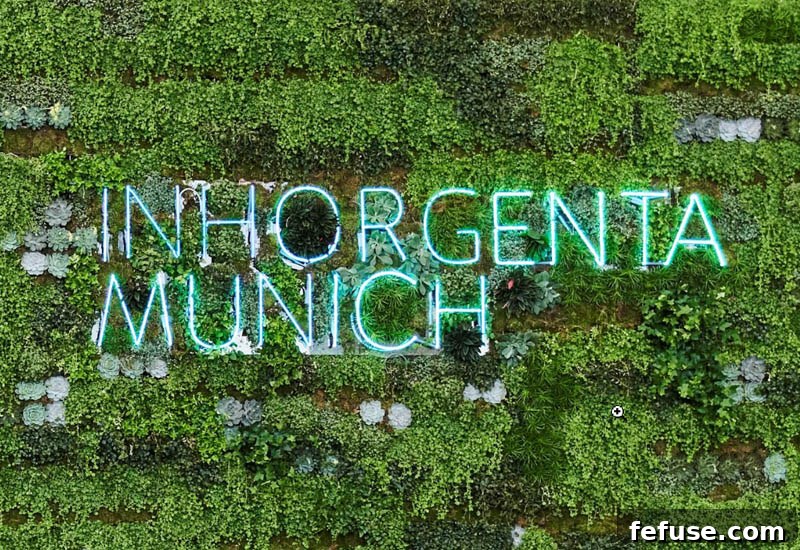
Inhorgenta Munich 2021 Cancelled: Navigating the Future of Jewellery and Watch Trade Fairs Amidst Global Challenges
The highly anticipated Inhorgenta Munich, one of the world’s leading trade fairs for jewellery, watches, and gemstones, has officially announced the cancellation of its planned 2021 edition. This decision, while regrettable, underscores the pervasive impact of the global coronavirus pandemic on international events and the broader luxury sector. Originally postponed from its traditional February slot to April 2021 by organiser Messe München, the physical show will now not take place until 2022, with new dates set for 11-14 February 2022.
The Unavoidable Decision: Why Inhorgenta Munich 2021 Could Not Proceed
The cancellation comes after months of careful monitoring and planning by Messe München, the driving force behind Inhorgenta. The initial postponement from February to April was a proactive measure, reflecting a hope that the global health situation would improve sufficiently to allow for a safe and successful international gathering. However, as 2021 unfolded, it became clear that the challenges remained insurmountable for a show of Inhorgenta’s magnitude and international appeal.
Klaus Dittrich, Chairman and CEO of Messe München, articulated the difficult reasoning behind the decision. “Unfortunately, recent developments in connection with the coronavirus pandemic have not moved in the direction we had hoped,” Dittrich stated. He highlighted several critical factors that led to the cancellation, including the persistence of “far-reaching international travel and contact restrictions.” These limitations inherently cripple the ability of an event like Inhorgenta to attract its diverse, global audience of exhibitors, buyers, and industry professionals. The essence of an international trade fair lies in facilitating cross-border business and networking, a mission severely compromised by current global mobility constraints.
Furthermore, Dittrich pointed to the alarming “spreading of the mutated virus,” which poses “a significant risk in terms of the further infection process.” The emergence of new, more transmissible variants has added another layer of uncertainty and risk, making it ethically and practically challenging to host a large-scale international event. Even if a physical trade fair were hypothetically possible within the local context of Munich, Dittrich stressed that “the Inhorgenta Munich would not be able to live up to its claim of being a highly successful international flagship event.” This unwavering commitment to maintaining the show’s prestigious reputation and international quality ultimately sealed the fate of the 2021 edition.
Bridging the Gap: The Rise of Virtual Alternatives with Trendfactory
Recognizing the critical need for industry connection and knowledge sharing, Messe München is not leaving a complete void in 2021. The organiser hopes to “plug the gap” with its innovative Trendfactory virtual show, which is scheduled for autumn 2021. This digital initiative aims to provide a platform for insight, trend analysis, and potentially some level of interaction, albeit in a different format than the traditional physical exhibition.
Virtual events have become a lifeline for many industries grappling with the inability to host physical gatherings. For the jewellery and watch sector, however, the transition to virtual presents unique challenges. The tactile experience of handling a precious gemstone, trying on an exquisite timepiece, or closely examining the craftsmanship of a unique jewellery piece is central to the purchasing and appreciation process. While virtual platforms can offer high-quality imagery, video presentations, and even augmented reality tools, they struggle to fully replicate the sensory engagement and personal connection that define a physical trade show. Trendfactory will likely focus more on knowledge exchange, market trends, expert discussions, and perhaps B2B matchmaking, rather than direct product viewing and sales.
The success of Trendfactory will offer valuable insights into the adaptability of the jewellery and watch industry to digital formats. It represents an important effort by Inhorgenta to maintain engagement with its community, provide crucial industry updates, and keep the brand relevant during these unprecedented times. It also sets a precedent for how future events, even physical ones, might integrate digital components to reach a wider audience and offer enhanced value.
The Broader Impact on the Jewellery and Watch Industry
The cancellation of Inhorgenta Munich 2021 is more than just a scheduling change; it reflects a significant disruption across the entire global jewellery and watch industry. Major events like Inhorgenta serve as vital marketplaces, trendsetters, and networking hubs. For thousands of exhibitors—from established luxury brands to independent designers, gemstone suppliers, and technology providers—these shows are crucial for unveiling new collections, securing orders, meeting new clients, and strengthening existing relationships. Retailers and buyers rely on them to discover innovations, assess market trends, and source products for their stores.
The absence of such a pivotal platform impacts sales cycles, product launches, and the overall flow of business. It forces companies to recalibrate their marketing and sales strategies, often accelerating their pivot towards digital channels, direct-to-consumer models, and localized outreach. Smaller brands, in particular, often depend on trade shows for visibility and access to international markets, and their cancellation can pose significant challenges to growth and expansion.
Beyond the transactional aspects, trade fairs foster a sense of community and facilitate the informal exchange of ideas, which are crucial for innovation and industry development. The temporary loss of these physical gathering points underscores the importance of finding alternative ways for the community to connect, whether through virtual platforms like Trendfactory, smaller regional events (when feasible), or enhanced digital communication.
Looking Ahead: Inhorgenta Munich 2022 and the Future of Trade Shows
With the 2021 show officially off the calendar, all eyes are now turning towards Inhorgenta Munich 2022, scheduled for 11-14 February. There is considerable optimism that by early 2022, global vaccination efforts and improved public health measures will create a more stable environment for international travel and large-scale gatherings. The industry eagerly anticipates a return to the physical interactions and vibrant atmosphere that Inhorgenta is known for.
However, the experience of the pandemic will undoubtedly shape the format and priorities of future trade shows. It is highly probable that Inhorgenta Munich 2022, and subsequent editions, will incorporate elements of what has been learned during the era of virtual events. A “hybrid” model, combining a robust physical presence with enhanced digital offerings (e.g., virtual booths, online seminars, digital networking tools for remote participants), could become the new standard. This approach would offer the best of both worlds: preserving the invaluable in-person experience while extending reach and accessibility to those who may still face travel constraints or prefer a digital engagement.
Safety protocols will also remain paramount. Attendees can expect comprehensive health and safety concepts, including potentially modified layouts, crowd management strategies, and stringent hygiene measures, to ensure a secure environment for everyone. The commitment of Messe München to prioritizing the health of its participants, as demonstrated by the difficult decision to cancel 2021, instills confidence in their planning for future editions.
The Enduring Value of Physical Interaction in the Luxury Sector
Despite the advancements in virtual technology, the jewellery and watch industry remains one where the physical experience holds profound and enduring value. For high-value, aesthetically driven products, the ability to see, touch, and even feel the weight and texture of an item is irreplaceable. The brilliance of a diamond, the intricate mechanics of a luxury watch, or the artisanal detail of a handcrafted piece of jewellery cannot be fully appreciated through a screen.
Moreover, the personal relationships forged at trade fairs are fundamental to the luxury business. Trust, rapport, and understanding nuances of taste and preference are often built through face-to-face interactions, over shared meals, or during casual conversations on the show floor. These human connections are the bedrock of long-term partnerships and client loyalty in an industry deeply rooted in craftsmanship and heritage.
Inhorgenta Munich, with its diverse array of exhibitors showcasing everything from avant-garde designs to timeless classics, serves as a crucial stage for these interactions. Its cancellation in 2021 serves as a poignant reminder of what is temporarily lost: the collective energy, the serendipitous discoveries, and the immediate feedback loops that only a physical event can provide. The industry’s eagerness to return to Munich in 2022 is a testament to the irreplaceable role of such gatherings.
Conclusion: A Resilient Industry Looks Forward
The cancellation of Inhorgenta Munich 2021 is undoubtedly a setback for the global jewellery and watch community, but it is a decision made out of necessity and a commitment to public health and the integrity of the event. While the industry adapts through virtual initiatives like Trendfactory, the announcement reinforces the anticipation for a return to normalcy and the vital importance of physical trade fairs. The focus now shifts firmly to Inhorgenta Munich 2022, where exhibitors, buyers, and enthusiasts hope to reunite, reconnect, and collectively propel the industry forward with renewed vigor and innovation.
News Source: professionaljeweller