
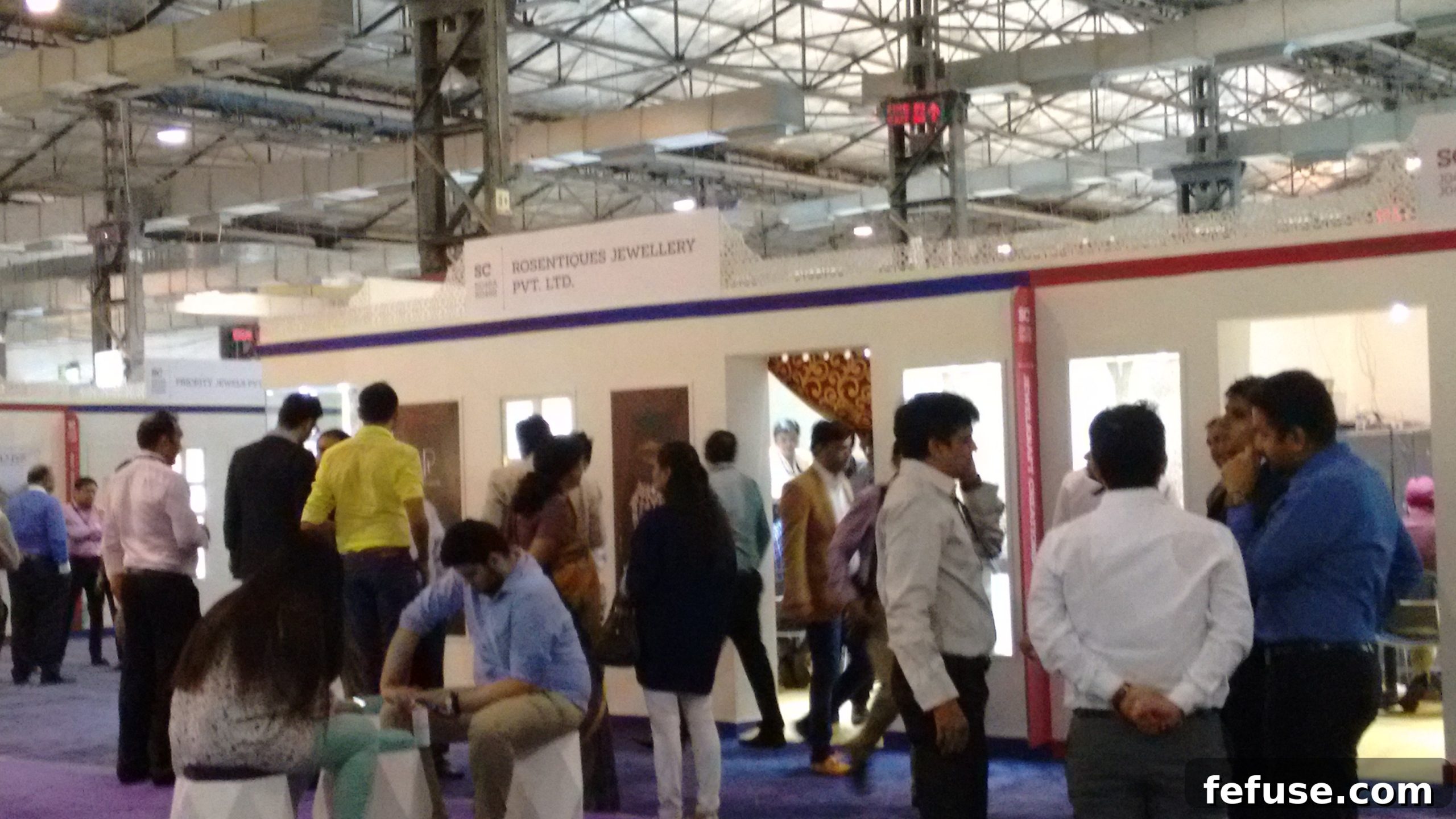
Signature IIJS & IGJME: A Beacon of Optimism for India’s Resilient Gem & Jewellery Industry
The curtains recently closed on the highly anticipated 10th edition of Signature IIJS and the 4th edition of IGJME, concluding four days brimming with cautious optimism and tangible signs of recovery for the Indian gems and jewellery industry. Held against a backdrop of persistent global uncertainties and significant domestic policy shifts over the past year, the events served as a crucial barometer for the sector’s health and future trajectory. Despite the numerous hurdles, including the lingering effects of demonetisation and fluctuating trade policies, the prevailing sentiment among exhibitors was one of quiet satisfaction, pointing towards a period of renewed stability and growth.
The Indian gems and jewellery sector, a pivotal contributor to the nation’s economy and a significant employer, has demonstrated remarkable resilience. Exhibitors, initially approaching the show with measured expectations, departed with a sense of accomplishment, having forged new connections and solidified existing business relationships. This positive outcome underscores the industry’s ability to adapt and thrive, even in challenging environments, and highlights the indispensable role of platforms like Signature IIJS and IGJME in fostering trade and innovation.
Industry Navigates Challenges, Embraces Recovery
The journey for India’s jewellery industry over the preceding year has been anything but smooth. Global economic fluctuations, geopolitical tensions, and local policy realignments, such as the impactful demonetisation drive, created a climate of uncertainty. These factors significantly influenced domestic trade dynamics, prompting businesses to reassess strategies and embrace agility. The slowdown in consumer spending and the temporary disruption of supply chains were real concerns that shaped the cautious outlook prior to the event.
However, the successful culmination of Signature IIJS and IGJME suggests a turning point. The bustling aisles and active discussions indicated a palpable shift in market sentiment. Retailers and manufacturers alike demonstrated a readiness to move beyond past challenges, focusing instead on capitalising on emerging opportunities and catering to evolving consumer demands. This collective forward momentum is a testament to the industry’s inherent strength and its capacity for swift adaptation.
Gold Jewellery Sector Witnesses Robust Demand
Manufacturers specializing in gold jewellery experienced particularly strong interest at the show, signalling a robust recovery in this traditional segment. Kamlesh Punamiya of Punamiya & Sons, a prominent plain gold jewellery manufacturer, articulated this positive trend, stating, “Signature this year was an exceptional show, with the response even surpassing our expectations. Business has been steadily recovering from the standstill observed after demonetisation, and the enthusiasm here clearly shows that people are now looking ahead with confidence.”
Punamiya, a veteran exhibitor at Signature IIJS, underscored the show’s unique value proposition for serious buyers. Unlike events that attract a high volume of casual browsers, Signature consistently draws attendees with genuine purchasing intent. “There are fewer look-and-see visitors,” Punamiya explained, “and the majority of footfalls are serious buyers who are here to explore new collections and place definitive orders.” This focus on serious trade contributes significantly to the tangible business outcomes reported by exhibitors.
Key Drivers for Gold Jewellery Growth
The year 2017 holds particular significance for the gold jewellery sector, primarily due to an abundance of auspicious dates for weddings stretching between the present and June. This cultural phenomenon traditionally drives substantial demand for gold, as jewellery forms an integral part of wedding trousseaus and celebratory gifts. Punamiya highlighted, “Retailers are actively stocking up to meet this anticipated surge in demand, and the overall market sentiment is visibly improving across the board.”
Furthermore, Punamiya shed light on the impact of policy clarity on trade flow. In previous years, the weeks leading up to the annual Union Budget often saw a slowdown in orders, driven by speculative expectations of a reduction in gold import duty. With no such reduction materialising, trade has rebounded vigorously, a positive effect that was clearly evident throughout the exhibition. This stability in policy environment has instilled greater confidence among traders and consumers alike, enabling smoother business operations.
Adapting to Modern Consumer Preferences
Success in the dynamic jewellery market, Punamiya emphasized, hinges on a jeweller’s ability to constantly adapt. Modern consumers still desire visually impactful ornaments, but increasingly seek value and affordability. Punamiya & Sons has responded to this trend by innovating designs that use less metal while maintaining a grand appearance. “Consumers still want large-looking ornaments, so we have been dedicated to creating designs that utilise less metal, yet still achieve an impressive aesthetic,” he elaborated. Moreover, jewellers are expanding their inventory to offer a wider price spectrum, catering to diverse budgets. “Jewellers are willing to stock ornaments starting from lower price points, extending up to an upper price range of Rs 1-2 lakhs. This particular range performed exceptionally well at the show,” he explained, indicating a successful strategy for broad market appeal.
Diamonds & Gemstones: Building Trust and Relationships
The diamond and gemstone segment also saw critical business activity, albeit with a focus on establishing and nurturing long-term relationships. Ashish Gandhi of Osia Gems, another regular and reputable exhibitor at Signature, described this year’s show as “satisfactory” for business. “While it was certainly slower compared to some previous years, we are very pleased with the number of new contacts we established, particularly among retailers in North India,” he noted, acknowledging that walk-ins from the East and South were comparatively lower. These new leads are vital for growth, and Osia Gems plans extensive follow-ups to convert them into enduring partnerships.
Forging robust and trust-based relationships is particularly paramount in the loose diamond business, a sector inherently reliant on confidence. This is especially true for companies like Osia Gems, which primarily deals in smaller sizes of non-certified diamonds. To cultivate this essential trust, Gandhi explained that Osia Gems goes to considerable lengths, including meticulously screening all its stones. This rigorous internal process guarantees customers that they receive 100% natural diamonds, underscoring the company’s unwavering commitment to authenticity and transparency.
Technology Enhances Trust in Diamond Trade
The traditional diamond trade has always been built on a foundation of trust. In today’s market, however, technological advancements are playing an increasingly critical role in upholding and strengthening this trust. Gandhi shared that Osia Gems has proactively installed advanced screening devices in both their offices and factory for several years. Furthermore, at the show, they explored inquiries about the new, more affordable screening machines being offered by GII through GJEPC. These devices are indispensable in verifying the natural origin of diamonds, thereby safeguarding the integrity of the trade and boosting consumer confidence. The adoption of such technologies is a testament to the industry’s proactive approach to ensuring ethical and transparent practices.
Evolving Consumer Preferences Drive Design Innovation
Sudeep Sethi of Intergem, a renowned manufacturer of exquisite designer jewellery adorned with diamonds and precious stones, echoed similar sentiments regarding the show’s overall success. “The show has been satisfying as far as we are concerned. Business wasn’t about achieving huge numbers, and footfalls could have been higher, but as always, the show provided an excellent platform to engage with serious and high-quality buyers,” he stated, emphasizing the strategic value of the event.
Sethi keenly observes a significant shift in the motivations behind jewellery purchases. The traditional impulse of buying jewellery primarily as an investment is waning. Instead, consumers are increasingly seeking pieces that offer versatility, utility, and personal expression. “Investment has become less of a driving force, and consumers now desire jewellery that can be worn regularly, satisfying a specific need or complementing their personal style,” Sethi explained. He highlighted that design has, more than ever before, emerged as a paramount factor for today’s discerning buyers. This shift is particularly pronounced in the current economic climate, where there’s a heightened sense that financial transactions are under closer scrutiny, making purely investment-driven purchases less appealing.
Innovating with Gemstones and Accessible Price Points
Responding to these evolving consumer preferences, Intergem has strategically adapted its jewellery offerings. Sethi noted their increased use of vibrant gemstones paired with white diamonds, a departure from the historical reliance on fancy coloured diamonds. This approach allows them to create stunning, design-led pieces that are more accessible. “Prices today are therefore around Rs one lakh or so, even for larger, more elaborate pieces,” he specified, catering to a broader market segment without compromising on elegance. Intergem also showcased beautifully crafted necklaces featuring strings of ruby or emerald beads, which garnered significant appreciation, demonstrating a successful pivot towards incorporating diverse precious stones and offering compelling designs at attractive price points.
Technological Advancements in Diamond Authentication
The Machinery section of the show was a hub of innovation, attracting considerable interest in cutting-edge technologies crucial for the gem and jewellery industry. Christopher Sanger of the De Beers’ lab IIDGR (International Institute of Diamond Grading & Research) described the exhibition as highly beneficial for the company. “We had a steady stream of walk-in customers who inquired about our state-of-the-art machines and comprehensive services, and we were pleased to secure several orders. Additionally, we generated numerous promising leads that we will diligently follow up on over the coming months,” Sanger reported, highlighting the show’s effectiveness as a platform for technology showcase and business development.
IIDGR’s melee testing service, along with its advanced screening machines designed specifically for melee diamonds (with a variant also applicable to certain types of diamond jewellery), is gaining considerable traction. These technologies play a critical role in accurately separating confirmed natural diamonds from others that require further, more advanced testing. Sanger underscored the growing popularity of these solutions, emphasizing their indispensable contribution to maintaining the integrity and transparency of the diamond supply chain. In an era where authenticity is paramount, such screening technologies provide an essential layer of assurance for both businesses and consumers.
Furthermore, Sanger highlighted the substantial interest generated by IIDGR’s recently introduced educational program. This initiative underscores the industry’s commitment to fostering knowledge and expertise, ensuring that professionals are well-equipped to navigate the complexities and advancements within the diamond sector. Education, combined with technological innovation, forms a powerful synergy for future growth and sustainable practices.
GJEPC Commends Show Success and Addresses Future Planning
Saunak Parikh, Convener of GJEPC’s Exhibition-National Committee, provided an overarching positive assessment of the event. Based on the extensive feedback received by the Council, it was clear that the show was an resounding success, especially considering the array of challenges the industry had faced. “The mood among both the visitors and the exhibitors was overwhelmingly positive, and the business conducted was exceptionally good. Across all product segments, it appears that everyone is highly satisfied with the results of the show,” Parikh affirmed, encapsulating the collective success and renewed confidence.
Addressing one of the most frequently voiced concerns among exhibitors, particularly regarding show timing and accessibility, Parikh delivered reassuring news. He announced that the Council had nearly finalised the schedule for the following year’s exhibition. Significantly, he indicated that the upcoming show would almost certainly include a weekend component, a move long advocated by exhibitors to maximise attendance and business opportunities. This responsiveness to industry feedback demonstrates GJEPC’s commitment to continually enhancing the value and effectiveness of its trade platforms, ensuring they remain relevant and beneficial for all stakeholders.
A Forward-Looking Industry
The 10th edition of Signature IIJS and the 4th edition of IGJME have undoubtedly injected a vital shot of optimism into the Indian gems and jewellery industry. From the robust recovery in gold jewellery sales driven by auspicious wedding seasons and stable policies, to the diligent efforts in the diamond sector to build trust through advanced screening technologies, the industry is demonstrating remarkable adaptability and innovation. Exhibitors like Punamiya & Sons, Osia Gems, and Intergem exemplify the strategic shifts being made in design, customer relations, and market approach to cater to evolving consumer demands. With GJEPC actively responding to industry needs and fostering an environment for growth, India’s gem and jewellery sector is not just recovering from past challenges but is actively forging a path towards a more dynamic, transparent, and prosperous future. These pivotal trade shows continue to serve as indispensable platforms for collaboration, trade, and the collective advancement of this vibrant industry.
News Source: gjepc.org