
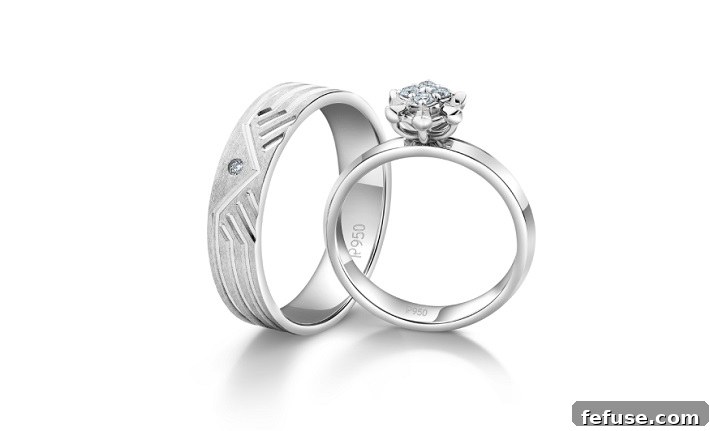
The global platinum market is poised for a significant and sustained deficit in 2024, marking the second consecutive year of supply falling short of robust demand. This critical imbalance, primarily fueled by an invigorated jewellery sector, underscores a complex interplay of market dynamics, as revealed in the latest Platinum Quarterly report by the esteemed World Platinum Investment Council (WPIC).
Understanding the Persistent Platinum Deficit
A market deficit occurs when the demand for a commodity exceeds its available supply, often leading to upward pressure on prices and a draw-down of existing inventories. For platinum, the projected deficit of over 1 million ounces in 2024 is a substantial figure, indicating a tightening market that bears significant implications for producers, industrial users, investors, and consumers alike. This ongoing shortage is not merely a transient blip but reflects fundamental shifts in both consumption patterns and production capabilities. While various sectors contribute to overall platinum demand, the jewellery industry has emerged as an unexpected but powerful catalyst for this growing scarcity, demonstrating resilience and growth that defy broader economic headwinds in certain regions.
Platinum Jewellery: A Resurgent Sector Driving Demand
The jewellery segment has undeniably been a bright spot within the platinum market, demonstrating remarkable resurgence. This quarter alone, global platinum jewellery demand impressively surpassed the 500 kilotonnes (koz) mark for the first time since the fourth quarter of 2021, representing a healthy 5% year-on-year increase. This robust performance is not an isolated incident but rather a clear trend, with platinum jewellery demand projected to grow by 7% year-on-year in 2024, reaching an impressive 1,994 koz. This forecast would mark its highest level since the fourth quarter of 2021, signaling a strong and sustained recovery for a sector that has faced its share of challenges over the past decade.
The Allure of the Price Gap: Platinum vs. Gold
A primary driver behind platinum’s newfound appeal in jewellery lies in the widening price gap between platinum and gold. Historically, platinum often traded at a premium to gold, reflecting its rarity and diverse industrial applications. However, in recent years, this dynamic has shifted, with platinum frequently trading at a discount. This current price disparity makes platinum a significantly more attractive and accessible option for consumers seeking precious metal jewellery. For many buyers, platinum offers a compelling value proposition: the prestige and durability of a white precious metal at a more affordable price point compared to its yellow counterpart. This economic advantage is clearly influencing purchasing decisions across key global markets, prompting a noticeable shift in consumer preferences towards platinum designs.
Global Jewellery Fabrication Hotspots
The increase in platinum jewellery demand is manifesting in strong fabrication growth across several key regions. Understanding these regional dynamics is crucial for grasping the overall market picture.
India: The Epicenter of Growth
India continues to solidify its position as a major powerhouse in the global jewellery market, and its platinum sector is experiencing a phenomenal surge. This quarter, platinum jewellery fabrication in India soared by an impressive 15% year-on-year. Looking ahead, India is expected to demonstrate even further strong growth in 2024, with a projected 28% increase in fabrication. This remarkable expansion is significantly fueled by robust export demand, particularly from affluent markets like the United States, the United Kingdom, and the United Arab Emirates. India’s skilled craftsmanship, competitive manufacturing costs, and burgeoning domestic market make it an ideal hub for platinum jewellery production, catering to both local preferences and international tastes.
China’s Promising Rebound
After years of declining demand that persisted since 2013, China’s platinum jewellery market is finally showing signs of a promising turnaround. Fabrication in China is set to improve by 3% in 2024, a significant reversal that indicates evolving consumer preferences and possibly renewed economic confidence. While modest compared to India’s growth, this shift is critical given China’s immense size and potential as a consumer market. Factors such as a growing younger demographic appreciating modern designs and strategic marketing efforts by platinum industry players are likely contributing to this positive momentum, signalling a potential long-term recovery for platinum in one of the world’s largest luxury markets.
Europe, North America, and Japan: Stable and Growing Markets
Beyond the rapid expansion in Asia, mature markets are also contributing positively to platinum jewellery demand. Fabrication in Europe increased by 7% this quarter, and demand is expected to reach a record high in 2024, growing by 4%. Similarly, North America is projected to achieve a record high in demand this year, with a 3% growth. Japan, a market with a long-standing appreciation for platinum, is forecast to see its demand rise by 8% year-on-year to 365 koz in 2024, its highest level since 2019. These figures underscore the broad-based nature of platinum’s resurgence, demonstrating that its appeal is not confined to emerging markets but is also strengthening in established regions known for their discerning jewellery consumers.
Behind the Supply Shortfall: Mining and Industrial Challenges
While demand for platinum is undeniably robust, the overall market faces a critical challenge on the supply side. Total platinum supply is projected to decline by 1% in 2024, exacerbating the widening deficit. This reduction stems from a confluence of factors, primarily affecting key producing regions and industrial sectors.
Mining Challenges in South Africa
South Africa remains the dominant global producer of platinum, accounting for the vast majority of primary supply. However, the mining sector in the country is grappling with significant headwinds, leading to reduced output. “Cost-driven restructuring” is a key phrase here, encompassing a range of challenges. These include increasing operational costs due to deeper mining, persistent electricity supply issues (load shedding), labor disputes, and stricter environmental regulations. Many mining companies are being forced to rationalize operations, close less profitable shafts, or defer capital expenditure on new projects, all of which directly impact the volume of platinum brought to market. The cumulative effect of these challenges is a noticeable contraction in the primary supply pipeline, creating a significant bottleneck for the global platinum market.
Industrial Sector Impact and Recycling’s Role
Beyond primary mining, the platinum chemical industry, which utilizes platinum in various applications ranging from catalysts to medical compounds, is also experiencing a slowdown. This sector’s performance is often tied to broader industrial activity and economic cycles, and a global economic deceleration can reduce demand for new platinum inputs. Furthermore, secondary supply, primarily derived from recycling old autocatalysts, jewellery, and industrial scrap, plays a crucial role in the overall supply equation. While recycling efforts continue, their growth might not be sufficient to offset the decline in primary production and meet surging demand, especially when industrial activity slows down leading to less scrap generation.
Beyond Jewellery: Other Pillars of Platinum Demand
While jewellery is currently driving the deficit, it is important to remember that platinum is a versatile precious metal with significant demand from various other sectors. The automotive industry remains a major consumer, primarily through catalytic converters that reduce harmful emissions. Industrial applications, including in the chemical, glass, and electrical sectors, also represent substantial demand. Furthermore, investment demand for platinum, in the form of bars, coins, and exchange-traded funds (ETFs), tends to rise when market fundamentals like a persistent deficit signal potential price appreciation. Although these sectors may not be showing the same growth surge as jewellery in the immediate term, their foundational demand contributes significantly to the overall market balance and underscores platinum’s strategic importance.
Market Implications and Future Outlook
The projected platinum deficit for a second consecutive year carries significant implications. For producers, it highlights the need for sustainable investment and operational efficiencies in the face of rising costs and regulatory pressures. For industrial users, it signals potential supply constraints and cost increases, prompting a focus on efficiency and perhaps alternative materials where feasible. For investors, a tightening market with strong demand fundamentals often suggests a supportive environment for platinum prices, making it an attractive asset within a diversified portfolio. The WPIC’s detailed analysis provides crucial transparency in a market characterized by complex supply and demand dynamics, allowing stakeholders to make informed decisions amidst this evolving landscape.
Conclusion
The global platinum market is navigating a fascinating and challenging period. The WPIC’s latest report clearly illustrates a market where robust, and perhaps unexpectedly strong, demand from the jewellery sector is colliding with persistent supply-side constraints. The widening price gap between platinum and gold has undoubtedly reignited consumer interest, particularly in growth markets like India and a rebounding China, alongside stable demand in Western economies. However, the foundational challenges in South African mining and a slowdown in certain industrial applications continue to impede overall supply. This complex interplay ensures that platinum will remain a focus of attention in the precious metals space, with its unique demand drivers and supply challenges shaping its trajectory in the coming years.