
India’s Gem and Jewellery Sector: A Deep Dive into Dynamic Export Performance
India’s gem and jewellery sector, a pivotal pillar of its economy and a significant player in the global market, consistently demonstrates remarkable resilience and adaptability. Recent provisional data released by The Gem & Jewellery Export Promotion Council (GJEPC) offers compelling insights into the sector’s performance, highlighting notable growth in key categories such as polished diamonds and gold jewellery during October, even as broader fiscal year trends present a more nuanced picture. This detailed analysis delves into the specific export and import figures, exploring the driving forces behind these trends and India’s evolving position in the international trade of precious stones and metals.
October 2018: A Month of Robust Growth in Key Segments
The month of October 2018 proved to be particularly strong for India’s gem and jewellery exports, showcasing an impressive overall increase. Total exports from the sector surged by 9.05%, reaching an impressive US$ 3.63 billion, a substantial rise from the US$ 3.33 billion recorded in October of the preceding year. This robust performance underscores the enduring global demand for Indian craftsmanship and products. Conversely, total imports experienced a decline of 5.27%, settling at US$ 1.80 billion compared to US$ 1.90 billion during the same month in the previous year. This decrease in imports could signal a more cautious approach to inventory management or a shift in the domestic market dynamics, prioritizing export-led growth.
Shining Bright: Polished Diamond Exports Lead the Way
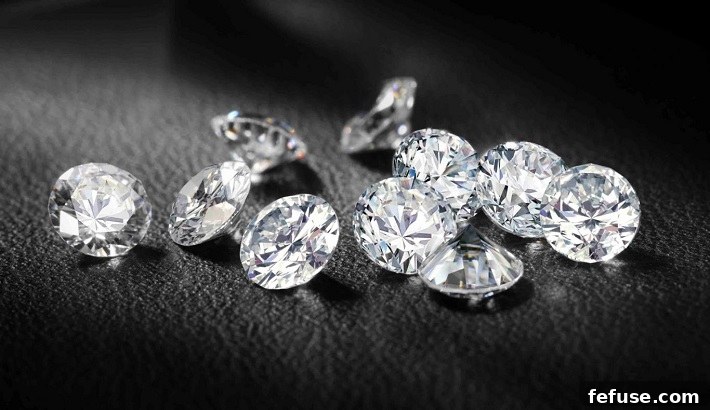
At the forefront of this growth were India’s polished diamond exports, which witnessed a substantial increase of 19.37% in October 2018. The value of these exports climbed to US$ 2.31 billion, a significant jump from US$ 1.93 billion exported in October 2017. This strong upward trajectory highlights India’s unparalleled expertise as the world’s largest diamond cutting and polishing hub, catering to an expanding international clientele. The vibrant demand for Indian-processed diamonds indicates strong consumer confidence in key global markets, particularly during the festive season leading up to the end of the year.
Accompanying this rise in polished diamond exports, rough diamond imports also saw a considerable increase, climbing by 22.71% in value terms to US$ 990.09 million, up from US$ 806.84 million in the previous October. In terms of volume, rough imports grew from 9.44 million carats in October 2017 to 9.66 million carats in October this year. This rise in rough diamond imports signifies that Indian manufacturers were actively procuring raw materials to meet the burgeoning demand for polished stones, ensuring a steady supply chain to maintain their competitive edge in the global market. Interestingly, imports of cut and polished diamonds experienced a significant downturn, falling by 33.12% to US$ 92.11 million in October 2018 from US$ 137.73 million a year earlier. This decline further emphasizes India’s role as a net exporter of value-added diamonds rather than a major importer of finished goods in this category, reinforcing its position as a manufacturing powerhouse.
Golden Gains: Sustained Growth in Gold Jewellery Exports
The gold jewellery segment, encompassing both studded and plain designs, also contributed positively to the overall export figures. Exports in this category increased by 8.72%, reaching US$ 1,039.08 million from US$ 995.70 million in October of the previous year. This consistent growth in gold jewellery exports showcases India’s rich heritage in jewellery craftsmanship and its ability to innovate and meet international fashion trends. The demand for Indian gold jewellery remains robust, driven by its intricate designs, quality, and competitive pricing in the global marketplace. This positive trend reflects well on the skilled artisans and designers who continue to elevate India’s reputation in this luxury segment.
Diverse Performance Across Other Categories
While polished diamonds and gold jewellery showed strong performance, other categories presented a more mixed bag. Exports of silver jewellery saw a sharp decline, dropping to US$ 93.93 million in October 2018 compared to US$ 282.61 million in the same month last year. This significant decrease could be attributed to fluctuating silver prices, changing consumer preferences, or shifts in international demand for silver-based products. In contrast, colored gemstone exports experienced a healthy rise of 14.81% in October 2018, reaching US$ 23.57 million from US$ 20.53 million in the preceding year. This growth indicates a steady appreciation for India’s diverse range of colored gemstones and the expertise of its gem merchants in sourcing and marketing these vibrant treasures.
Fiscal Year 2018-19 (April-October): A Broader Perspective on Trade Dynamics
Shifting the focus to the broader fiscal year performance, spanning the first seven months from April to October 2018, the overall gem and jewellery export landscape presents a slightly different narrative. Cumulative exports for this period stood at US$ 24.05 billion, marking a marginal decline of 1.48% compared to US$ 24.41 billion during the corresponding period last year. This slight dip suggests that while October was strong, earlier months in the fiscal year might have faced some headwinds or slower growth. On the import front, the sector experienced a more substantial decline of 6.93%, with total imports falling from US$ 17.06 billion last year to US$ 15.88 billion this year. This consistent reduction in imports across the fiscal year period further solidifies the notion of strategic inventory management and a focused drive towards export-oriented production.
Sustained Momentum in Polished Diamonds Over Seven Months
Despite the slight overall decline in exports for the fiscal year to date, polished diamond exports continued to demonstrate their resilience. During April-October 2018, these exports were up by a solid 8.37%, reaching US$ 14.99 billion compared to US$ 13.83 billion exported over the same months last year. This sustained growth in polished diamond exports over an extended period underscores the fundamental strength and global competitiveness of India’s diamond industry. Mirroring the monthly trend, imports of polished diamonds saw a sharp decline of 35.90% over the fiscal year to date, dropping to US$ 860.71 million from US$ 1,342.70 million in the previous year. This significant reduction in polished diamond imports signifies India’s self-sufficiency and its robust position as an exporter rather than an importer of finished diamonds.
The import of rough diamonds during the fiscal year to date also showed a decline of 5.64%, settling at US$ 9.41 billion from US$ 9.97 billion a year earlier. In volume terms, these imports fell by 6.16%, from 100.50 million carats in April-October 2017 to 94.31 million carats in the same period this year. This dual decline in both value and volume of rough diamond imports suggests a more cautious procurement strategy by Indian manufacturers, possibly influenced by inventory levels, global supply dynamics, or anticipation of future market conditions. This careful approach to raw material sourcing, coupled with strong polished exports, indicates a focus on efficiency and managing profit margins within a dynamic global environment.
Gold Jewellery’s Impressive Fiscal Year Rally
The gold jewellery segment continued its impressive run over the fiscal year. Exports of gold jewellery (both plain and studded) witnessed significant growth, rising to US$ 7.23 billion in April-October 2018, a substantial increase from US$ 5.0 billion during the first seven months of the previous fiscal year. This remarkable surge highlights the increasing international appeal of Indian gold jewellery and the successful efforts by manufacturers and exporters to capture a larger share of the global market. The consistent positive performance of gold jewellery exports suggests strong demand from traditional markets as well as emerging ones, validating India’s position as a global leader in this craft.
Varied Fortunes for Other Categories in the Fiscal Year
For other product categories over the April-October 2018 period, the trends were diverse. Exports of synthetic stones amounted to US$ 124.09 million, with synthetic diamonds (HS 71049010) accounting for the majority at US$ 121.48 million, showing a modest increase compared to US$ 117.78 million during the comparative period a year earlier. This indicates a niche but growing market for synthetic stones, reflecting evolving consumer preferences and technological advancements in production.
However, several segments experienced significant downturns. Exports of gold medallions & coins declined sharply by 84.7% to US$ 258.31 million in the seven-month period, potentially reflecting shifts in investment patterns or specific government policies related to gold. Silver jewellery exports also plummeted dramatically by 84.4% to US$ 416.28 million, a more pronounced decline than the monthly figures suggested, indicating a sustained challenge in this segment throughout the fiscal year. Coloured gemstone exports, after a positive October, showed a slight decline of 0.89% at US$ 230.62 million in April-October 2018, suggesting that while monthly performance can fluctuate, the cumulative trend points to a relatively stable but not aggressively growing market for these stones.
Driving Factors and India’s Strategic Position
The performance of India’s gem and jewellery sector is influenced by a confluence of global and domestic factors. Global economic health, consumer disposable income, and geopolitical stability play crucial roles in determining demand for luxury goods. India’s strategic advantage lies in its vast skilled workforce, advanced manufacturing capabilities, and its prominent position in the diamond pipeline, from sourcing rough to exporting finished, high-quality polished stones. The festive seasons globally, particularly in major consumer markets like the US, Europe, and increasingly Asia, often spur demand, as evidenced by the strong October figures for polished diamonds and gold jewellery.
The cautious approach to imports, particularly of rough diamonds and finished polished diamonds, reflects a mature industry focused on efficiency and value addition. Indian manufacturers are adept at navigating market volatilities, optimizing inventory, and responding to shifts in global supply and demand. The impressive growth in gold jewellery exports over the fiscal year highlights the sector’s successful diversification and ability to cater to diverse international tastes, leveraging its traditional artistry with modern designs.
The Road Ahead: Resilience and Adaptation
While the overall fiscal year export figures show a marginal dip, the strong performance of key categories like polished diamonds and gold jewellery underscores the inherent strength and resilience of India’s gem and jewellery sector. The industry is demonstrating a clear strategy of enhancing value addition, optimizing imports, and aggressively pursuing export opportunities. Challenges remain in segments like silver jewellery and gold medallions, indicating areas that may require strategic re-evaluation or market diversification. However, India’s deep-rooted expertise, continuous innovation, and strategic market positioning ensure its enduring prominence in the global gem and jewellery trade. The sector’s ability to adapt to changing market dynamics, coupled with its commitment to quality and craftsmanship, positions it well for sustained growth in the years to come, further solidifying India’s reputation as a global leader in sparkle and shine.