
Alexander Jewellers Closes: A Farewell to Oldham’s High Street Jewel Amidst Retail Challenges
After nearly four decades of dedicated service to the community, Alexander Jewellers, a cherished independent establishment in Oldham, is set to close its doors permanently. This poignant decision underscores the persistent struggles faced by traditional brick-and-mortar stores, as the UK high street continues to grapple with an evolving retail landscape, a challenge keenly felt in towns like Oldham.
The End of an Era for a Community Fixture
For almost 40 years, Alexander Jewellers, nestled on Greenacres Road, has been more than just a shop; it has been an integral part of Oldham’s fabric. Generations of customers have walked through its doors, seeking timeless pieces for life’s most significant moments – from engagement rings marking new beginnings to anniversary gifts celebrating enduring love, or simply reliable repairs for treasured family heirlooms. The impending closure marks the end of a significant chapter for countless local residents and serves as a powerful symbol of the transformative pressures on high street retail.
Darren Nutter, the proprietor who took the helm of Alexander Jewellers in 1986, has been the very heart and soul of the business for the vast majority of its esteemed existence. His unwavering dedication to exceptional craftsmanship, coupled with a deep commitment to personalized customer service, has fostered strong, lasting relationships within the community. For Nutter, the difficult decision to not renew the lease and wind down operations was not made lightly. It was a pragmatic and painful choice, borne from observing the increasingly challenging and often unforgiving economic realities that now define high street retail.
Oldham’s High Street: A Struggle for Modern Relevance
The Stagnation of Town Centres and Local Investment Gaps
Nutter’s candid observations paint a stark and often disheartening picture of Oldham’s town centre. In an interview with the Manchester Evening News, he articulated his frustrations, stating: “The town centre is pretty much as it was when I first took over, and that’s probably part of the problem. It’s been left behind while places such as Manchester city centre and Bury have moved light years ahead.” This sentiment resonates deeply with many independent business owners across the nation who feel that local high streets have failed to adapt with sufficient agility to meet changing consumer demands and contemporary urban development trends.
The lack of sustained investment in crucial infrastructure, the absence of diversified retail offerings, and the failure to create appealing public spaces can collectively render a town centre unattractive and economically unsustainable. While larger cities and forward-thinking towns like Manchester and Bury have actively embraced ambitious regeneration projects, successfully creating vibrant, multi-faceted hubs that seamlessly blend retail, leisure, and diverse dining experiences, smaller towns often struggle to secure the necessary funding, political will, and cohesive vision for such transformations. This glaring disparity in development directly impacts footfall and, consequently, profoundly affects the long-term viability of businesses that rely heavily on local custom.
The Unrelenting March of E-commerce and Shifting Consumer Habits
Beyond the localized issue of urban stagnation, the broader and irreversible shift in consumer behaviour towards online shopping presents an existential threat to traditional high streets everywhere. Nutter explicitly highlighted this pervasive trend: “Less and less people are shopping on the high street now. You can do most of your shopping at home on the internet now, there’s less and less to encourage people to actually come into the town centre.” The unparalleled convenience of online shopping, coupled with highly competitive pricing, extensive product reviews, and an almost limitless selection, has fundamentally altered how and where people make their purchasing decisions.
Even for high-value and emotionally significant items like jewellery, where many customers still appreciate the tactile experience and personalized consultation offered by a physical store, a substantial and growing segment now confidently turns to online retailers. These digital platforms often benefit from significantly lower overheads, enabling them to offer more aggressive pricing, operate with leaner staff, and maintain an exponentially wider inventory. Independent jewellers, already contending with escalating business rates, rising energy costs, and other operational expenses, find it increasingly arduous to compete effectively with the vast resources, global reach, and sophisticated marketing capabilities of online giants.
The Broader Implications for Independent Retailers Across the UK
The closure of Alexander Jewellers is far from an isolated incident; rather, it serves as a compelling microcosm of a nationwide trend that is reshaping retail landscapes. Independent businesses, frequently family-run or owner-operated, are not merely shops; they are the very backbone of local economies and contribute immeasurably to the unique character, charm, and authenticity of town centres. However, these vital enterprises are particularly vulnerable to a confluence of adverse factors, including economic downturns, relentlessly rising operational costs, and the relentless competitive pressure emanating from both sophisticated online retailers and dominant large chain stores.
Unlike multinational corporations, independent retailers typically lack the deep financial reserves for extensive marketing campaigns, costly technological upgrades, or significant negotiating power when it comes to commercial rents. They often thrive on the strength of personal service, unparalleled local knowledge, and ingrained community loyalty – invaluable qualities that are becoming increasingly difficult to sustain when overall footfall dwindles, and fixed overheads remain stubbornly high. The loss of such businesses signifies more than just a vacant storefront; it represents a tangible reduction in local employment opportunities, a discernible decline in community vibrancy, and the tragic erosion of specialized knowledge, unique skills, and cherished craftsmanship within the local area.
Darren Nutter’s Difficult Decision and Promising Future Plans
With the lease for Alexander Jewellers nearing its expiration, Darren Nutter found himself facing a critical and deeply personal juncture. His candid assessment of the situation underscores its gravity: “The lease is up for expiration in the coming months and the area I am in is not getting any better. It’s a bit run down and other people are pulling out because of the high street situation. Looking forward, things do not look bright for the future so I made the decision to close.” This pragmatic, albeit regrettable, outlook reflects a realistic and clear-eyed appraisal of the long-term prospects for traditional retail within his specific location and the current economic climate.
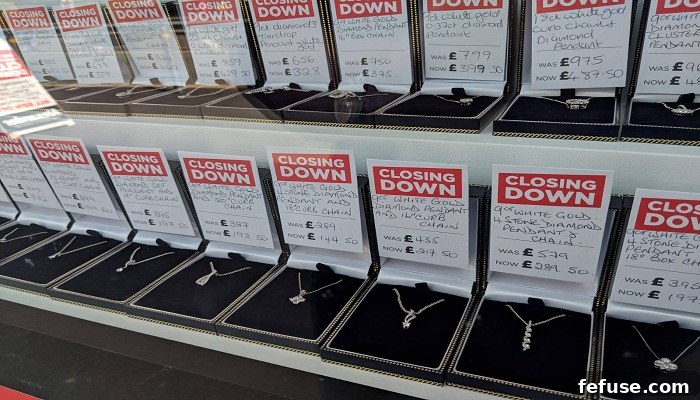
Before the final shutters come down for good, Alexander Jewellers will be holding a closing down sale. This period offers loyal customers a last opportunity to acquire a piece of its legacy, secure a memorable item, and perhaps share a final interaction with Nutter himself. This farewell sale serves as both a respectful nod to the past and a practical step to clear remaining inventory.
While the closure of his long-standing business is undoubtedly a profound and bittersweet moment, Darren Nutter is emphatically not stepping away from his lifelong passion for jewellery. Having been deeply immersed in the intricate world of the trade his entire working life, he plans to take a brief, well-deserved hiatus before embarking on an exciting new chapter. This next phase will see him return to his roots as a goldsmith, focusing intently on creating bespoke jewellery. This pivot embraces unique design, meticulous workmanship, and fosters a direct, personal relationship with clients. It highlights the enduring appeal and intrinsic value of personalized, handcrafted items, even in an age increasingly dominated by mass production and pervasive digital commerce.
The Future of High Streets: A Call for Urgent Adaptation and Innovation
The story of Alexander Jewellers serves as a powerful and pressing reminder of the urgent need for high streets across the United Kingdom to fundamentally adapt, innovate, and reimagine their purpose. Simply preserving the status quo or hoping for a return to past glories is no longer a viable option. Town centres must proactively evolve into multi-faceted destinations that offer far more than just traditional retail; they need to become vibrant places for experience, community engagement, cultural enrichment, and diverse leisure activities. This profound transformation requires concerted, collaborative effort from local councils, visionary landlords, and the remaining resilient businesses.
Investing strategically in public spaces, actively fostering a diverse ecosystem of independent businesses, consistently promoting local events and festivals, and thoughtfully embracing digital integration (such as creating local online marketplaces or implementing seamless click-and-collect services) are all absolutely vital components of any successful high street revitalization strategy. Without such proactive and ambitious measures, the unfortunate decline witnessed in Oldham and countless other towns risks becoming an irreversible trend, leading to a landscape characterized by empty shopfronts, diminishing vitality, and the tragic loss of irreplaceable community hubs.