
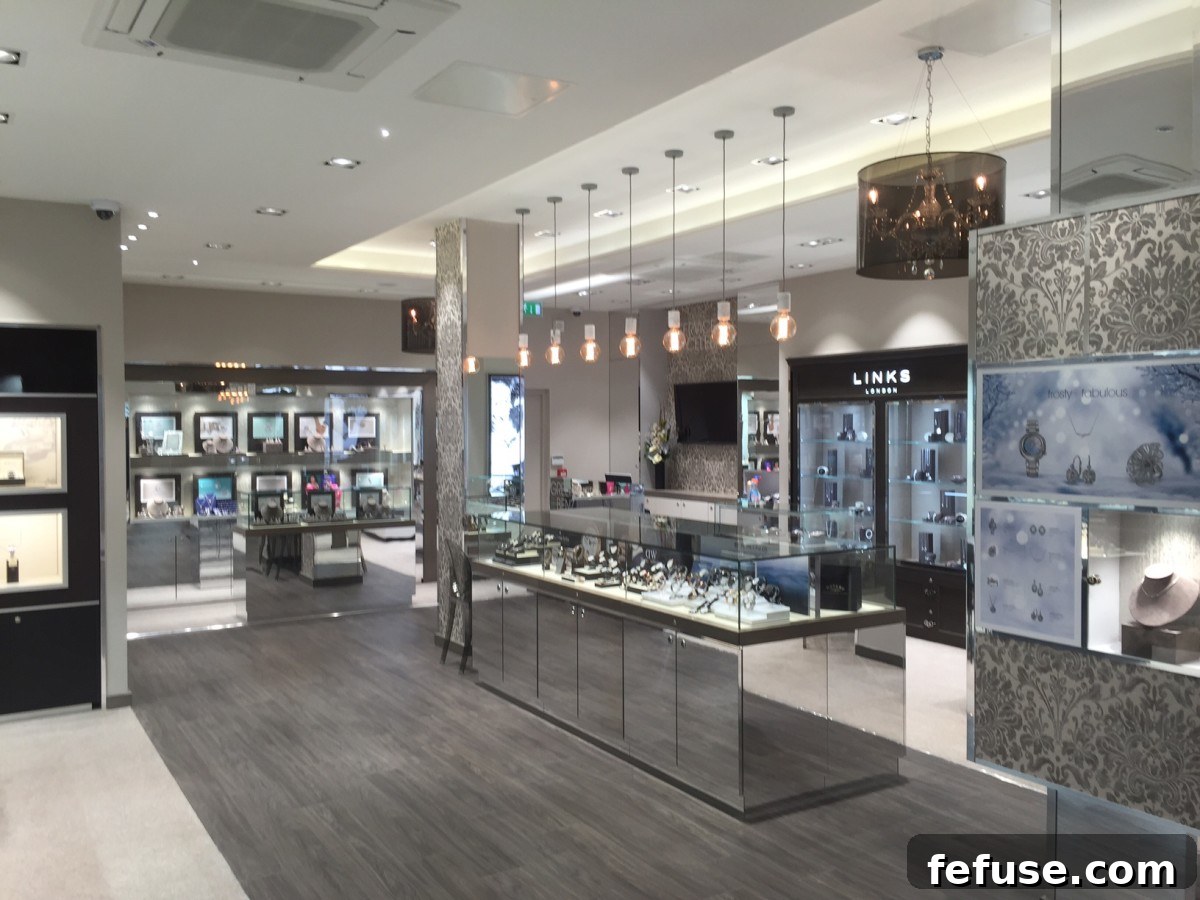
The Enduring Allure: Why High-Value Jewelry and Watches Demand an In-Store Experience
In an increasingly digital world, where online shopping often reigns supreme for its convenience and broad selection, new research reveals a compelling truth: the more valuable a piece of jewelry or a luxury watch, the more likely consumers are to step away from their screens and into a physical store. This critical shift in consumer behavior underscores the irreplaceable value of the brick-and-mortar experience when it comes to significant luxury purchases.
The £366 Threshold: A Tipping Point for Trust and Tangibility
A comprehensive survey, conducted among more than 2,000 UK consumers by The Company of Master Jewellers (CMJ), has identified a distinct financial threshold that nudges shoppers from their digital devices to the high street. This pivotal price point stands at approximately £366. For items priced above this figure, the incentive to seek out a physical retail environment dramatically increases. This finding isn’t merely a statistic; it’s a testament to the psychological barrier consumers face when investing a substantial amount in an item they cannot physically inspect or experience online.
The reasons behind this preference are deeply rooted in human psychology and the unique nature of luxury goods. A significant proportion of respondents articulated clear benefits of in-store shopping that cannot be replicated digitally. Just over one-third (34%) highlighted the crucial ability to “try before they buy,” emphasizing the tactile and visual inspection essential for items like jewelry and watches. Furthermore, 32% expressed concerns about guaranteeing quality without physically seeing, touching, and experiencing the item firsthand. These sentiments collectively paint a picture of consumers seeking assurance, authenticity, and a holistic understanding of their potential investment.
Beyond the Click: The Irreplaceable In-Store Experience
Terry Boot, CEO for CMJ, eloquently captured the essence of this phenomenon. “While trends suggest that shopping online is becoming the norm, with deals to be done and hassle-free shopping, what cannot be replaced is the in-store experience,” he stated. This isn’t just about avoiding a return; it’s about the entire journey of selecting a cherished item. The act of walking into an independent high street jeweller offers a multi-sensory engagement that online platforms simply cannot provide.
Consider the nuanced process of choosing a fine piece of jewelry or a sophisticated timepiece. In a physical store, consumers are empowered to try the item on, feeling its weight, observing its proportions against their skin, and appreciating the intricate craftsmanship up close. The way light reflects off a diamond, the smooth sweep of a watch’s second hand, the cool touch of precious metal – these sensory details are vital for making an informed decision and building an emotional connection with the item. It’s an opportunity to truly discern if the piece resonates with one’s personal style and preferences, a decision that goes far beyond a static image on a screen.
Moreover, Mr. Boot emphasized another critical differentiator: the human element. “They get what you cannot possibly get online, the customer service and educated advice a professional jeweller will give.” This expert consultation is invaluable. A skilled jeweller can offer insights into materials, gemology, historical context, ethical sourcing, and care instructions that no algorithm can replicate. They can guide customers through complex choices, explain certifications, and ensure a perfect fit, providing peace of mind that a significant investment is genuine and suitable. This level of personalized service not only enhances the shopping experience but also builds trust, a cornerstone of luxury retail.
The existence of a price cut-off point unequivocally validates this perspective. It demonstrates that when consumers are poised to invest in something truly beautiful, perhaps an item destined to be cherished for a lifetime, such as an engagement ring or a legacy watch, they demand proper consideration. The desire for a risk-free and genuine purchase necessitates an environment where authenticity can be verified and expert guidance is readily available. This commitment to quality and service transforms a transactional purchase into a memorable and reassuring experience.
Prioritizing Quality and Ethics: The Modern Consumer Mandate
Beyond the tangible experience, consumer priorities for luxury items are evolving. The survey highlighted that three-quarters (75%) of consumers prioritize quality above all else when considering a jewelry or watch purchase. This far outstrips the 56% who primarily consider the brand or designer name. This statistic underscores a fundamental shift where intrinsic value and enduring craftsmanship are more important than mere brand prestige for a significant portion of the market.
For high-value items, quality isn’t just about aesthetics; it’s about longevity, durability, and the value retention of the piece. Consumers understand that a truly well-made piece of jewelry or a meticulously crafted watch is an investment, often passed down through generations. Assessing this quality requires more than high-resolution images; it demands the ability to scrutinize details, feel the finish, and potentially even view the item under magnification – all facilitated by an in-store environment and the expertise of a professional jeweller.
A further significant insight from the research concerns ethical considerations. A substantial 44% of consumers reported that they consider whether a piece of jewelry or a watch has been made ethically. This isn’t just a fleeting thought; respondents demonstrated a tangible commitment to these values, indicating a willingness to pay an additional 11% to ensure ethical sourcing and manufacturing practices. This growing demand for transparency and responsible production is reshaping the luxury market.
Ethical jewelry encompasses a broad spectrum of considerations, from conflict-free diamonds and responsible gold mining to fair labor practices throughout the supply chain and minimal environmental impact. Verifying these claims online can be challenging and often relies solely on trust in a brand’s self-declarations. In a physical store, however, a knowledgeable jeweller can present certifications, explain sourcing practices in detail, and answer specific questions, thereby building confidence and validating the ethical credentials of a product in a much more personal and reassuring way.
Generational Nuances: Evolving Perspectives on Luxury Retail
Terry Boot further elaborated on the fascinating generational differences revealed by the survey. “There is clearly a difference in perspective across the age ranges,” he noted. For the over 65s, the lowest threshold for switching to in-store purchases suggests a preference rooted in tradition and established consumer habits. This demographic often ‘harks back to the days of customer service coupled with the need to examine quality’ directly. They value the personal interaction, the trusted relationship with a local business, and the ability to thoroughly inspect an item before committing, perhaps being less inclined to trust entirely digital representations.
Conversely, the younger demographic presents a more complex picture. While brand status may drive watch purchases for this group, leading them to trust recognized brands up to a certain point online, their overall values are strongly influencing their high-value purchasing decisions. Boot explained, “This age group has been brought up in an era where the magnifying glass is continually looking at the way things are produced too, which is why they are more concerned about ethical manufacturing and willing to pay the most to ensure the process is as watertight as it can be.”
This dual focus means that while younger consumers are adept at online research and may be influenced by digital brand presence, they are also highly critical and demand transparency regarding the origins and production of their luxury items. For them, an ethical claim online needs tangible backing, and often, the reassurance of an in-person consultation at a reputable store is what seals the deal for a significant investment, especially when they are willing to pay a premium for ethical assurance. This segment of consumers expects brands to not only deliver quality and design but also align with their social and environmental values, making the physical store a crucial touchpoint for validating these commitments.
The Hybrid Future of Luxury Retail: Balancing Digital Convenience with Experiential Excellence
The findings from the CMJ survey offer invaluable insights into the dynamic landscape of luxury retail. While the convenience of online shopping continues to shape consumer habits for everyday items, the unique requirements of high-value jewelry and watch purchases firmly anchor a significant portion of this market to the physical store. This doesn’t mean that online platforms are irrelevant; rather, they serve as crucial discovery tools, enabling research and initial selection, which then often culminate in an in-store visit for verification and final purchase.
The future of luxury retail will likely be a sophisticated hybrid model, where digital channels seamlessly complement the in-store experience. Retailers who succeed will be those who recognize the distinct roles of each channel, leveraging online for reach and preliminary information, while optimizing their physical stores for unparalleled customer service, sensory engagement, expert advice, and the crucial reassurance of authenticity and ethical responsibility. By understanding and catering to these evolving consumer preferences, the luxury jewelry and watch sectors can ensure their continued relevance and appeal in an ever-changing marketplace.
News Source : professionaljeweller.com