
Gucci’s Departure from Baselworld: A Bellwether for the Luxury Industry
In a move that reverberated throughout the luxury watch and jewellery world, iconic Italian fashion house Gucci announced its decision to withdraw from Baselworld, the industry’s longest-running and most prestigious trade show. This declaration marked a significant shift, not just for Gucci, but for the evolving landscape of how luxury brands choose to present their coveted collections to a global audience. The absence of a powerhouse like Gucci at the 2020 exhibition left a conspicuous void, underscoring the ongoing re-evaluation of traditional trade show models by major players in the high-end market.
Gucci’s Prominent Past Presence at Baselworld
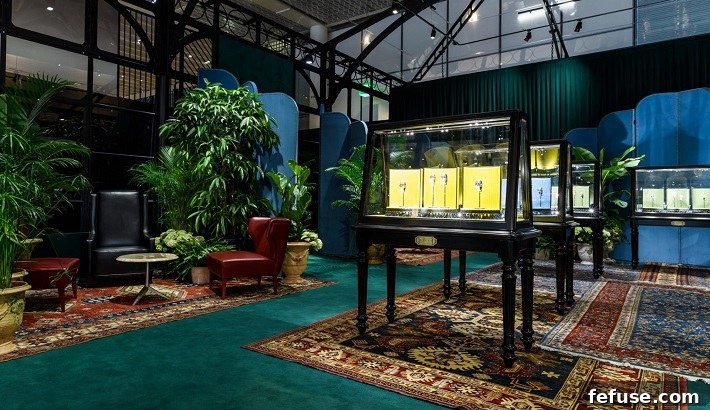
For years, Gucci maintained a strong and vibrant presence at Baselworld, consistently occupying not one, but two expansive exhibition spaces within the coveted Hall 1.0. One dedicated area meticulously showcased its exquisite jewellery creations, ranging from intricate high jewellery pieces to more accessible yet equally luxurious fashion jewellery lines. The other space was devoted entirely to its sophisticated watch collections, which seamlessly blend Swiss precision with Gucci’s distinctive aesthetic and avant-garde design philosophy. Their booths were renowned for their vibrant, eclectic, and unmistakably Gucci design – a colourful, engaging, and often whimsical addition that brought a unique energy to the main hall. Visitors frequently highlighted Gucci’s stands as visually stimulating experiences, reflecting the brand’s bold identity and attracting considerable attention from buyers, press, and industry professionals alike. Their departure thus signified not just the loss of new product showcases, but also the absence of a truly unique brand experience that contributed significantly to the show’s overall atmosphere.
The Expanding Roster of Brands Opting Out: A Broader Industry Trend
Gucci’s decision, while impactful, was not an isolated incident but rather the latest in a growing list of significant luxury brands choosing to step away from Baselworld. This trend began gaining momentum several years prior, most notably with the entire Swatch Group – encompassing major brands like Omega, Longines, Breguet, and Tissot – making a definitive exit. Other prominent names, including Breitling (which subsequently returned for a brief period before reconsidering), have also explored alternative strategies for product launches and brand engagement. The collective exodus has raised fundamental questions about the continued relevance and return on investment (ROI) of traditional, large-scale trade shows in the digital age. Brands are increasingly weighing the substantial costs associated with exhibiting – booth construction, staff, travel, logistics – against the perceived benefits, which may be diminishing as direct-to-consumer communication channels and independent events gain prominence. The departure of these luxury giants leaves significant gaps in Baselworld’s meticulously planned floor plan and, more crucially, in its overall allure and comprehensive representation of the global watch and jewellery market.
Baselworld’s Continuous Efforts and Lingering Challenges
Baselworld, with its rich history spanning over a century, has long been considered the undisputed epicentre for the watch and jewellery industry, a vital platform for showcasing innovations, fostering business relationships, and setting industry trends. However, recent years have presented formidable challenges, leading the organizers to implement a series of reforms aimed at modernizing the event and addressing brand concerns. These initiatives included efforts to reduce exhibition costs, enhance visitor experience, and streamline logistical processes. Yet, the persistent departures indicate that these changes have not been sufficient to universally address the evolving needs of luxury brands. A major factor that likely played a role in Gucci’s withdrawal, and indeed for many others, was the significant rescheduling of the 2020 show. Initially set for its traditional March slot, the event was controversially shifted to run from April 30 to May 5. This later timeline proved problematic for numerous brands, impacting production schedules, aligning with international fashion calendars, and conflicting with buyers’ availability. Recognizing the adverse feedback, Baselworld publicly admitted that the altered dates were indeed “too late” for many stakeholders and swiftly announced plans to bring the 2021 show forward by three weeks, returning closer to its customary spring schedule. This swift corrective action, while demonstrating responsiveness, also highlighted the deep-seated logistical and strategic complexities inherent in orchestrating such a massive international event.
Deciphering Gucci’s Strategic Calculus Behind the Departure
While Gucci has chosen to remain tight-lipped regarding the specific motivations behind its decision, the move aligns with several overarching trends in luxury brand strategy. Beyond the immediate impact of the 2020 show’s rescheduled dates, which were undoubtedly a major contributing factor, several other strategic considerations likely influenced the Italian luxury powerhouse. Firstly, the aforementioned **cost-benefit analysis** plays a crucial role. Exhibiting at Baselworld entails a multi-million-euro investment, and brands are increasingly questioning whether the traditional trade show format delivers sufficient return compared to more targeted, exclusive, or digitally-driven marketing channels. Secondly, there’s a growing desire among luxury brands for **greater control over their narrative and product launches**. By hosting independent events, private viewings, or digital presentations, brands can meticulously curate the environment, control guest lists, and dictate the precise messaging around their new collections. This allows for a more bespoke and impactful brand experience, free from the noise and competition of a large trade show floor.
Furthermore, Gucci, as a fashion-first luxury brand with significant watch and jewellery divisions, operates on a slightly different cadence than traditional Swiss watchmakers. Their strategy often involves aligning product launches with broader fashion seasons or major cultural moments, allowing for comprehensive, cross-category marketing campaigns. A fixed, traditional trade show date might not always align perfectly with their agile marketing and production cycles. The rise of **digital engagement** also cannot be overstated. Brands are increasingly investing in sophisticated e-commerce platforms, compelling social media campaigns, virtual showrooms, and immersive digital experiences to connect directly with consumers globally. These channels offer unparalleled reach, personalized interaction, and measurable data, often at a fraction of the cost of a physical exhibition. For a brand like Gucci, known for its digital prowess and innovative marketing, shifting resources towards these direct-to-consumer and digitally native strategies presents a compelling alternative. This strategic realignment allows Gucci to maintain brand exclusivity, foster deeper customer relationships, and respond more dynamically to market trends without the constraints of a large-scale international fair.
The Evolving Landscape of Luxury Showcasing: Beyond Traditional Fairs
Gucci’s exit, alongside others, prompts a deeper reflection on the future of luxury showcasing. While major trade shows may continue to exist, their format and perceived value are undoubtedly undergoing a transformation. Brands are actively exploring and investing in alternative strategies to unveil their latest innovations and engage with their clientele. These include:
- Independent Brand Events: Hosting exclusive, invite-only events in key global cities, allowing for complete control over the guest experience and brand messaging.
- Digital Product Launches: Utilizing virtual reality, augmented reality, and high-quality video content to create immersive digital presentations that can reach a global audience instantly.
- Regional Exhibitions and Roadshows: Participating in smaller, more focused regional events or organizing direct roadshows to engage with specific markets or retailer networks.
- Strategic Partnerships and Collaborations: Leveraging co-branding initiatives or strategic partnerships to generate buzz and reach new demographics.
- Direct-to-Consumer (D2C) Engagement: Prioritizing flagship store experiences, online boutiques, and personalized clienteling to build direct relationships with end-consumers.
The success of events like Watches & Wonders Geneva (formerly SIHH), which has adopted a more curated and refined approach, also offers a blueprint for more sustainable and appealing industry gatherings. The luxury sector is embracing a hybrid model, where physical touchpoints are highly selective, exclusive, and experiential, complemented by robust digital strategies that ensure broad reach and continuous engagement.
Conclusion: A New Era for Luxury Exhibitions
Gucci’s withdrawal from Baselworld is more than just a brand leaving a trade show; it’s a potent symbol of the seismic shifts occurring within the luxury industry. It underscores a definitive move towards greater brand autonomy, a meticulous focus on cost-effectiveness, and an unwavering commitment to innovative engagement strategies, particularly in the digital realm. While Baselworld continues its efforts to adapt and evolve, the departures of industry titans like Gucci serve as a powerful reminder that the traditional paradigms of luxury showcasing are rapidly being redefined. Brands are increasingly empowered to forge their own paths, dictating how and when their stories are told, thereby ushering in a new, dynamic era for the presentation of luxury watches and jewellery on the global stage. The future will likely see a more diverse, flexible, and perhaps even more exclusive approach to connecting discerning buyers with the world’s most coveted creations.
News Source: professionaljeweller