
Charles Green Leads the Way: Birmingham Jewellery Manufacturer Elevates Minimum Wage to £10 Per Hour
In a powerful demonstration of its commitment to employee well-being and a proactive approach to talent acquisition and retention, Charles Green, the esteemed Birmingham-based manufacturer of exquisite wedding rings and fine jewellery, has announced a significant increase in its company-wide minimum wage. Surpassing the current legal requirement, the long-standing jeweller has set its new minimum hourly rate at £10, a move designed to attract new talent, reward the dedication of its existing workforce, and uphold its reputation for excellence.
This progressive decision comes at a time when the cost of living continues its upward trajectory, placing increased financial pressure on households across the nation. While the official national minimum wage for individuals aged 25 and over stands at £7.50 per hour, Charles Green has chosen to go above and beyond, acknowledging that a true living wage is essential for its employees to thrive, not just survive. This strategic shift underscores the brand’s ethical stance and deep-rooted belief in valuing its most important asset: its people.
A Commitment to Its Core: Valuing Employees in a Dynamic Economy
The jewellery manufacturing industry, particularly in the specialist niche of wedding rings and bespoke pieces, relies heavily on skilled craftsmanship, precision, and an unwavering attention to detail. Such qualities are cultivated over years of experience and dedication. Charles Green, a company with a rich heritage and a workforce of 32 dedicated individuals, exemplifies this, with an impressive eight employees having served the company for over 25 years. This remarkable loyalty speaks volumes about the positive working environment Charles Green has fostered, and the new wage structure is poised to further strengthen these bonds.
The jeweller’s management firmly believes that investing in its team through enhanced compensation will play a crucial role in maintaining its diligent and highly skilled workforce. Furthermore, in a competitive landscape where attracting top-tier talent can be challenging, a more attractive wage offers Charles Green a significant advantage. This ensures that the legacy of exceptional craftsmanship and customer service, for which the company is renowned, will continue for generations to come.
Oliver Sutton, Director at Charles Green, articulated the philosophy behind this pivotal decision, stating, “I believe that in 2017, in order to not just survive, people need a minimum living wage of at least £10 per hour. We have a very low staff turnover rate at Charles Green and I also wanted to reward our staff loyalty. Our customers appreciate continuity when it to customer service and quality of manufacture and having a strong team ensures that this high-standard of consistency is upheld.” His words highlight a profound understanding of the reciprocal relationship between employee well-being, job satisfaction, and ultimately, the superior quality of the final product and client experience.
The Ripple Effect: Benefits Beyond the Paycheck
The implications of Charles Green’s decision extend far beyond individual pay packets. A higher minimum wage can significantly reduce financial stress for employees, allowing them to focus more intently on their craft and contribute more effectively to the company’s goals. This can lead to increased morale, improved productivity, and a more engaged workforce. When employees feel valued and secure, their dedication to the company and its mission naturally deepens.
For a manufacturer of luxury items like wedding rings and fine jewellery, where intricate design and flawless execution are paramount, the stability of a skilled team is indispensable. A consistent workforce, deeply familiar with the company’s exacting standards and proprietary techniques, ensures continuity in product quality and manufacturing processes. This translates directly into the high-standard consistency that Director Sutton emphasized, a consistency that discerning customers expect and appreciate when investing in timeless pieces from Charles Green.
Moreover, this proactive approach to employee welfare positions Charles Green as a highly desirable employer within the Birmingham Jewellery Quarter and the broader industry. It sends a clear message that the company prioritizes its human capital, fostering an environment where talent is nurtured and commitment is rewarded. This enhances the company’s employer brand, making it an attractive destination for aspiring jewellers, designers, and artisans who seek a career with a firm that genuinely cares for its team members.
Charles Green: A Legacy of Craftsmanship and Ethical Business
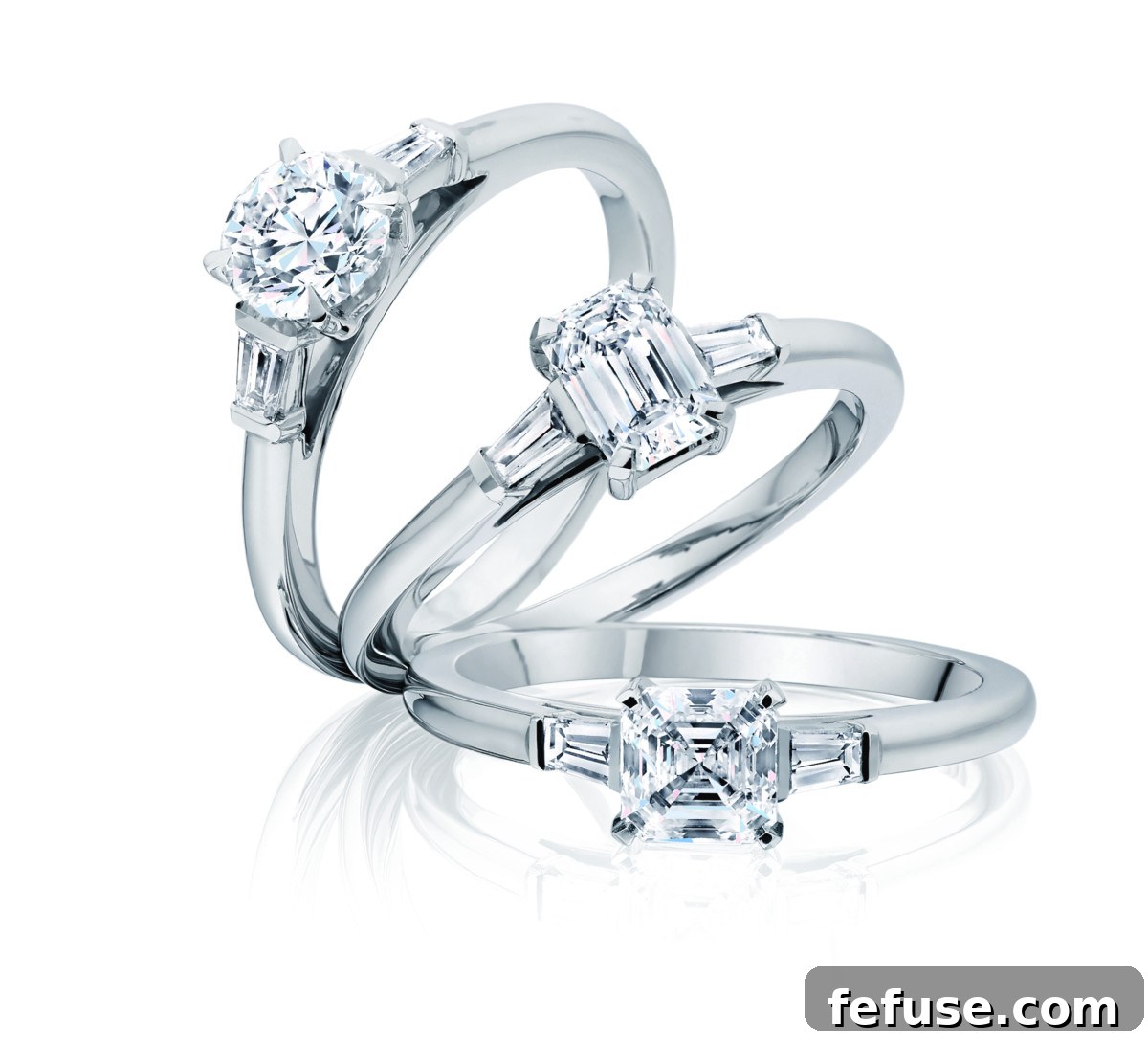
Established in Birmingham, a city globally recognized for its rich industrial heritage and as the heart of the UK’s jewellery manufacturing, Charles Green has built a formidable reputation over many years. The company specializes in creating exquisite wedding rings, engagement rings, and other bespoke fine jewellery, each piece a testament to meticulous craftsmanship and timeless design. Their commitment to quality is not merely a slogan but a practice deeply embedded in every stage of their manufacturing process, from initial design concepts to the final polish.
This dedication to excellence is inextricably linked to the expertise and passion of its employees. The artisans at Charles Green are not just workers; they are custodians of a proud tradition, skilled practitioners who bring designs to life with precision and artistry. By ensuring they receive a fair and generous living wage, Charles Green is effectively investing in the future of traditional British craftsmanship, safeguarding valuable skills, and empowering its team to produce work of unparalleled quality.
The company’s decision sets a positive precedent, demonstrating that commercial success and ethical business practices are not mutually exclusive but can, in fact, be mutually reinforcing. In an era where consumers are increasingly conscious of the provenance and ethical standards behind the products they purchase, Charles Green’s commitment to paying a living wage resonates deeply. It underscores a holistic approach to business where the welfare of employees is as crucial as the quality of the raw materials or the intricacy of the design.
Setting a Benchmark for the Jewellery Industry
Charles Green’s move to elevate its minimum wage to £10 per hour is more than just a company policy; it’s a statement. It challenges existing norms within the manufacturing sector and potentially sets a new benchmark for how businesses can support their workforces. This proactive step might encourage other jewellery manufacturers and indeed companies across various industries to re-evaluate their wage structures and consider the broader benefits of a genuinely living wage.
In a market that is constantly evolving, innovation is often discussed in terms of product design or technological advancements. However, Charles Green demonstrates that innovation can also be found in human resources and ethical corporate governance. By prioritizing its employees, the company is not only securing its own future but also contributing to a more equitable and sustainable economic environment. This forward-thinking strategy ensures that Charles Green remains not only a leader in fine jewellery manufacturing but also a beacon of responsible business practices.
A Sustainable Future Built on Strong Foundations
The decision by Charles Green to raise its minimum wage is a powerful illustration of a company that understands the intrinsic value of its workforce. By actively addressing the real-world financial challenges faced by its employees, Charles Green is fostering a more secure, motivated, and loyal team. This commitment to its people ensures the continued production of exceptional wedding rings and jewellery, maintaining the high standards of customer service and manufacturing quality that have defined the brand for decades.
As Charles Green continues its legacy as a premier Birmingham jewellery manufacturer, this latest initiative reinforces its position not just as a creator of beautiful objects, but also as a responsible and compassionate employer. It’s a strategy that builds a sustainable future, founded on the strong, well-supported hands that meticulously craft each piece, ensuring that excellence remains at the heart of everything Charles Green does. This proactive investment in human capital is a testament to the enduring vision and ethical leadership of a company that truly values its place in the community and its role in the lives of its employees and customers alike.
News Source: professionaljeweller.com (adapted and expanded)