
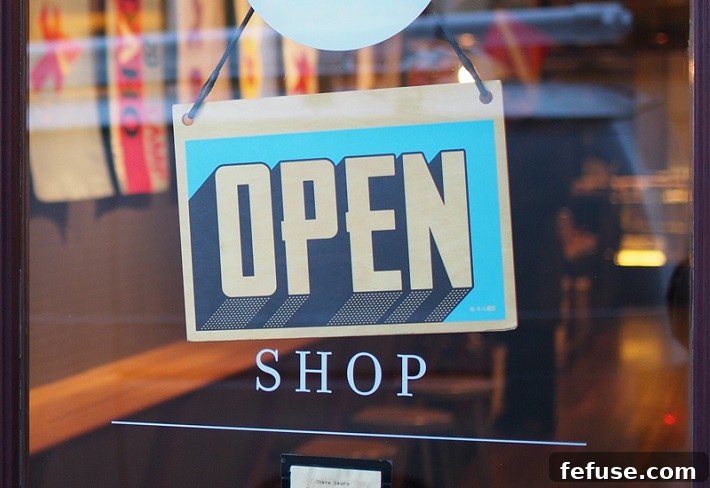
UK Government Unveils Extended Retail Opening Hours to Revitalize High Streets
As England eagerly anticipates its next major step out of lockdown, the UK Government has announced a pivotal measure designed to inject vitality back into the economy and safeguard public health: the return of extended opening hours for non-essential retail. This strategic decision, a beacon of hope for countless businesses and a welcome development for consumers, is set to be implemented next month, marking a significant milestone in the nation’s journey towards recovery.
Pending the Prime Minister’s crucial assessment of the latest COVID-19 data and expert health advice, non-essential shops across England are poised to welcome customers back through their doors from April 12th. This date has become a focal point for retailers, signifying not merely the lifting of shutters but a broader revitalization of community life and commercial activity after an extended period of stringent restrictions.
Facilitating Safer Shopping: The Strategic Rationale Behind Extended Hours
In a proactive move to support enhanced social distancing and more effectively manage customer traffic, the Government has officially confirmed that non-essential retailers will be granted permission to introduce extended operating hours. This thoughtful provision aims to distribute shopper footfall across a longer trading day, thereby significantly reducing congestion both within retail premises and on vital public transport networks during conventionally busy periods.
The temporarily adjusted closing time for a diverse array of non-essential retailers, ranging from cherished independent jewellers and fashion boutiques to larger department stores, will now be 10 PM, from Monday through Saturday. This substantial extension beyond previous standard operating times furnishes businesses with an invaluable tool, enabling them to adapt nimbly to the evolving retail landscape and offer unparalleled flexibility to their customer base.
The core objective underpinning this measure is to empower shoppers with greater autonomy and flexibility. By allowing individuals to consciously select less crowded times for their visits to stores and usage of public transport, the government endeavors to rebuild and bolster consumer confidence. The goal is to ensure that the return to physical shopping remains a safe, comfortable, and reassuring experience for everyone involved, fostering a sense of normality and security.
A Dual Boost: Economic Recovery and Community Support – Robert Jenrick’s Vision
Robert Jenrick MP, the Communities Secretary, eloquently articulated the government’s comprehensive vision driving these new regulations. He underscored the critical importance of extended hours in cultivating a robust and sustainable return to economic normalcy. “To support businesses to reopen and recover, I’ve extended measures to allow shops to stay open for longer,” Mr. Jenrick affirmed, highlighting the immediate relief and the promising long-term potential this offers to a sector that has faced unprecedented challenges due to the pandemic.
He further elaborated, explaining that this initiative is not an isolated policy but an integral component of a broader, carefully crafted strategic support package. This overarching program is specifically designed to safely rejuvenate England’s vibrant shops and high streets, fortified by a substantial governmental investment of £56 million. This significant financial commitment unequivocally demonstrates the government’s unwavering dedication to rebuilding the retail ecosystem from its foundations upwards.
“This will provide a much-needed boost for many businesses – protecting jobs, reducing pressure on public transport and supporting people and communities to continue to visit their high streets safely and shop locally,” Jenrick added. His words encapsulate a multi-faceted approach that strategically targets key areas: enhancing economic vitality, ensuring employment stability, prioritising public health, and nurturing the cherished community spirit that defines local shopping areas across the country.
The Transformative Impact on UK Retailers: New Opportunities and Strategic Adaptation
For the myriad of UK retailers, particularly those within the non-essential sector such as esteemed jewellery shops, cutting-edge fashion outlets, and essential home goods stores, the impending reopening on April 12th, coupled with the generous provision for extended trading hours, heralds a period of both significant opportunity and a crucial need for strategic adaptation. After arduous months of mandated closures and an increased reliance on digital sales channels, physical stores are now positioned for a long-awaited and welcome return to direct, face-to-face customer engagement.
The unparalleled ability to operate until 10 PM on weekdays and Saturdays presents a considerable competitive advantage. Businesses are now empowered to cater to a much broader spectrum of customer schedules, effectively accommodating those who adhere to traditional working hours and prefer evening shopping, as well as individuals keen to bypass peak daytime crowds. This inherent flexibility is widely anticipated to translate into increased sales volumes, which are vital for businesses to recoup losses incurred during the lockdown periods and decisively restart their growth trajectories.
Protecting Employment and Stimulating Local Economies
One of the paramount objectives of the government’s comprehensive retail support strategy is the steadfast protection and subsequent creation of employment opportunities. Extended operating hours mean that many retailers will likely be in a position to offer additional shifts to their existing workforce or even consider actively recruiting new employees to effectively manage the longer trading periods. This directly contributes to crucial employment stability, providing indispensable income for families and significantly alleviating the overall economic strain on local communities.
Furthermore, the strong emphasis on “shopping locally,” passionately championed by Robert Jenrick, is profoundly important. High streets are unequivocally the lifeblood of numerous towns and cities, serving as vibrant central hubs for social interaction, cultural exchange, and essential local commerce. By actively encouraging safe visits and providing more convenient shopping times, the government aims to funnel consumer spending back into local economies, thereby robustly supporting independent businesses and fostering a deep sense of community pride and resilience.
Elevated Shopper Experience: Prioritising Safety and Convenience
The consumer experience stands at the very core of the extended hours initiative. The past year has irrevocably altered how individuals perceive and interact with public spaces and shopping environments. Safety remains an absolute paramount concern, and the apprehension of crowded spaces continues to be a significant barrier for many potential shoppers. By intelligently distributing customer traffic over a prolonged trading day, the theoretical risk of transmission is markedly reduced, instilling a greater sense of comfort and confidence in shoppers as they return to physical stores.
This increased flexibility also harmoniously aligns with the demands of modern lifestyles. With a significant portion of the population meticulously juggling work commitments, childcare responsibilities, and a myriad of other personal obligations, the valuable option to shop later in the evening provides immeasurable convenience. It effectively diminishes the pressure to compress shopping trips into restrictive, limited windows, thereby offering a more relaxed, enjoyable, and less hurried experience. The added capability to plan public transport usage outside of conventional rush hours further amplifies this pervasive sense of ease and safety for commuters.
Navigating the Evolving Retail Landscape with Agility
While the introduction of extended hours is undoubtedly a significant boon, both retailers and consumers will need to maintain a continued commitment to adaptation and vigilance. Stores are expected to uphold rigorous hygiene protocols, strictly enforce capacity limits, and maintain clear one-way systems to ensure a safe environment. Shoppers, in turn, are strongly encouraged to thoughtfully plan their visits, exercise patience, and diligently adhere to all mandated safety guidelines. The collective and collaborative effort to ensure a continuously safe environment is unequivocally key to the sustained success and longevity of the retail reopening.
Beyond the Immediate Reopening: A Long-Term Vision for High Streets
The £56 million support package, so prominently mentioned by Mr. Jenrick, extends far beyond the mere provision of extended trading hours. It symbolises a profound and enduring commitment to the long-term vitality and resilience of England’s cherished high streets. This substantial funding can be strategically allocated and utilised for a diverse array of initiatives, including but not limited to, enhancing public spaces, vigorously supporting business innovation, and fundamentally improving local infrastructure. All these efforts are meticulously geared towards making high streets more attractive, more dynamic, and ultimately more resilient in a complex post-pandemic world.
The global pandemic has undeniably accelerated pre-existing trends towards online shopping, yet it has simultaneously underscored the enduring and intrinsic human need for physical interaction and tangible community spaces. High streets offer a unique and irreplaceable blend of commerce, culture, and social connection that purely e-commerce platforms simply cannot replicate. The government’s forward-thinking strategy appears to explicitly recognise this intrinsic value, aiming to cultivate environments where both digital commerce and physical retail can not only coexist but thrive synergistically.
Future-Proofing Local Retail for Enduring Success
The invaluable lessons gleaned from months of lockdown have undeniably propelled many businesses towards unprecedented levels of innovation and adaptability. The newly introduced extended hours offer a distinct opportunity to further refine and optimise operating models, potentially incorporating ingenious hybrid approaches that seamlessly blend in-store experiences with convenient online services, such as late-night click-and-collect options. This heightened level of adaptability and foresight will be absolutely crucial for effectively future-proofing local retail against any unforeseen challenges and disruptions that may arise.
Conclusion: A Hopeful Horizon for England’s Cherished Shops
The landmark announcement regarding extended opening hours for non-essential retail across England, slated to commence on April 12th, unequivocally represents a powerful beacon of hope for businesses, their dedicated employees, and the vibrant communities throughout the nation. It is a strategically astute decision, meticulously crafted to strike a delicate yet effective balance between robust economic recovery and the paramount, ongoing imperative of public health and safety.
By judiciously providing greater flexibility for discerning shoppers and significantly enhancing operational capacity for hard-working retailers, the UK Government, staunchly supported by a substantial £56 million investment package, is systematically laying the essential groundwork for a safe, gradual, and ultimately highly successful revitalisation of England’s beloved high streets. As retail doors prepare to swing open once more, the collaborative and unwavering effort of the government, dedicated businesses, and conscientious consumers, all steadfastly adhering to comprehensive safety guidelines, will be absolutely paramount in ensuring that this new and exciting chapter for UK retail is defined by sustained growth, enduring prosperity, and renewed community spirit.
News Source: professionaljeweller (Expanded Content)