
Strengthening Bilateral Ties: GJEPC and US Consulate Discuss Future of India’s Gems & Jewellery Trade
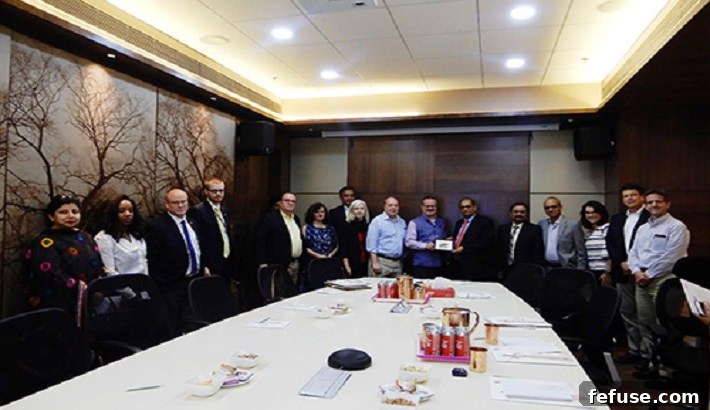
In a significant move aimed at fortifying the robust trade relationship between India and the United States, a high-profile meeting recently took place in Mumbai. Pramod Kumar Agrawal, the esteemed Chairman of The Gem & Jewellery Export Promotion Council (GJEPC), hosted David J Ranz, the US Consul General in Mumbai, along with other key officials from the US Consulate. This pivotal dialogue underscored the strategic importance of the gems and jewellery sector in fostering deeper economic ties and mutual prosperity between the two nations.
The meeting served as a crucial platform for both sides to exchange insights, discuss collaborative opportunities, and address areas for potential growth within the expansive gems and jewellery industry. Such diplomatic engagements are instrumental in shaping trade policies, resolving potential challenges, and paving the way for a more streamlined and prosperous bilateral trade environment.
Key Stakeholders and Their Contributions to the Dialogue
The Indian delegation comprised influential figures from the gems and jewellery sector, reflecting the industry’s commitment to sustained growth and international collaboration. Among the prominent attendees were Sanjay Shah, Convener of the Diamond Panel Committee (DPC) at GJEPC, and Sabyasachi Ray, Executive Director (ED) of GJEPC. Their presence highlighted the industry’s focus on diamond trade dynamics and the overarching strategic direction provided by the Council.
Adding further gravitas to the discussions was Mehul Shah, Vice President of the Bharat Diamond Bourse, an organization central to India’s diamond trading infrastructure. His insights brought a vital perspective on the practical aspects of diamond commerce and the needs of the trading community. Officials from various pertinent departments of the US Consulate also participated, ensuring a comprehensive representation of American interests and expertise across trade, economic, and consular affairs.
This diverse assembly of leaders from both the industry and diplomatic spheres underscored the multifaceted nature of the discussions, ranging from trade facilitation and market access to regulatory frameworks and sustainable development initiatives.
GJEPC’s Vision: Powering India’s Gems & Jewellery Sector on the Global Stage
The GJEPC team initiated the meeting with an insightful presentation, meticulously outlining the Council’s pivotal role and the substantial contributions of India’s gems and jewellery industry to the national economy. The presentation served to illuminate the sector’s vibrant ecosystem, its strategic importance, and its enduring position within the global value chain. The GJEPC, as the apex body for the promotion and development of the Indian gems and jewellery industry, plays a multi-faceted role encompassing policy advocacy, market development, skill enhancement, and ethical practices.
India’s Dominance in Global Diamond Trade: A Story of Craftsmanship and Innovation
A striking revelation from the Council’s presentation was India’s formidable standing as the 6th largest exporter of gems and jewellery products worldwide. This ranking is a testament to the nation’s unparalleled craftsmanship, technological prowess, and an extensive network of skilled artisans and businesses. The presentation delved into the various segments of the industry, showcasing the diversity and depth of India’s offerings, which span across diamonds, coloured gemstones, gold jewellery, silver jewellery, and synthetic stones.
Perhaps the most compelling statistic presented was India’s overwhelming dominance in the cut and polished diamond segment, accounting for an astonishing 93% of the world’s total exports. This figure is not merely a number; it represents decades of relentless dedication, significant investments in advanced manufacturing technologies, and the cultivation of an unrivaled skilled workforce concentrated primarily in the diamond hub of Surat, Gujarat. India’s ability to process diamonds, from rough to finished brilliance, with exceptional precision and efficiency, has solidified its undisputed leadership in this critical segment of the global gems and jewellery value chain.
This incredible market share highlights India’s critical role in supplying high-quality, meticulously cut diamonds to retailers and consumers across the globe, including major markets like the United States. The detailed overview provided by GJEPC underscored the complexity and sophistication of India’s processing capabilities, which range from intricate cutting and polishing to advanced grading and certification processes.
Economic Backbone: Contribution to India’s Economy
Beyond its global market share, the GJEPC presentation emphasized the profound economic impact of the gems and jewellery industry within India. This sector is a significant foreign exchange earner, bolstering India’s balance of payments and contributing substantially to the nation’s GDP. It is also a massive employer, providing livelihoods to millions of skilled and semi-skilled workers across various manufacturing, design, and trading functions. The industry acts as a catalyst for socio-economic development, fostering entrepreneurship and contributing to the growth of ancillary sectors.
The sector’s contribution extends beyond direct economic metrics. It supports a vast ecosystem of small and medium-sized enterprises (SMEs), promotes skill development through specialized training institutes, and drives innovation in design and manufacturing processes. The robust infrastructure developed around this industry, including specialized economic zones and world-class trade centers, further underscores its strategic importance to India’s economic fabric.
Forging Stronger Ties: US-India Trade Dynamics in Gems and Jewellery
A critical component of the GJEPC’s presentation focused on the evolving trends in India-US bilateral trade within the gems and jewellery sector. The data presented painted a picture of consistent and robust growth, highlighting the deepening economic partnership between the two countries. The trade figures revealed a substantial increase from US$ 11.94 billion in the fiscal year 2015 (FY2015) to an impressive US$ 18.67 billion in FY2019.
Analyzing Bilateral Trade Growth: A Story of Demand and Supply
This remarkable growth trajectory over just four fiscal years signifies a strong and healthy trade relationship, characterized by increasing demand for Indian gems and jewellery products in the US market and a steady supply from India. The surge in trade volume can be attributed to several factors, including the rising disposable incomes in the US, changing consumer preferences for ethically sourced and finely crafted jewellery, and India’s consistent ability to meet global quality standards and diverse design requirements.
The bilateral trade encompasses a wide array of products, from exquisite diamond-studded jewellery and loose cut diamonds to precious coloured gemstones and intricate gold and silver ornaments. Each segment contributes to the overall growth, reflecting the comprehensive nature of the trade relationship. This consistent upward trend underscores the mutual benefits derived from this economic partnership, supporting jobs and economic activity in both nations.
The US Market: A Cornerstone for Indian Exports
Further solidifying the United States’ critical role in India’s gems and jewellery export strategy, the presentation highlighted that the US market alone accounts for a significant 35% of India’s total exports of cut and polished diamonds. This statistic is profoundly important, positioning the US as the single largest market for India’s most dominant product category in the sector.
The American consumer’s appreciation for the quality, craftsmanship, and competitive pricing of Indian-processed diamonds has cemented this strong reliance. The US market’s demand trends, consumer confidence, and economic health directly influence the performance of India’s diamond industry. This symbiotic relationship emphasizes the need for continuous dialogue, market intelligence sharing, and collaborative efforts to ensure sustained growth and address any potential trade barriers or market shifts. The US market’s preference for Indian diamonds also speaks volumes about the trust and reputation India has built as a reliable and high-quality supplier in the global diamond trade.
Paving the Way for a Sustainable Future: GJEPC’s Ongoing Initiatives
The latter part of the GJEPC’s presentation focused on its proactive and forward-looking initiatives designed to foster sustainable growth within the entire gems and jewellery sector. These efforts are multi-pronged, addressing critical aspects ranging from infrastructure development and technological advancements to enhancing employee welfare.
Infrastructure & Technology: Modernizing for Tomorrow
The Council outlined its ongoing endeavors to strengthen and modernize the industry’s infrastructure. This includes investments in state-of-the-art manufacturing facilities, common facility centers (CFCs) that provide access to advanced machinery and technology for smaller enterprises, and specialized gemological laboratories for certification and research. Modernization efforts also extend to adopting cutting-edge technologies like automation, artificial intelligence, and blockchain for enhanced efficiency, transparency, and traceability across the supply chain. These infrastructural upgrades are vital for maintaining India’s competitive edge, improving product quality, and reducing production costs, ultimately benefiting both producers and consumers.
Furthermore, GJEPC is actively promoting the adoption of sustainable manufacturing practices, focusing on reducing environmental impact through efficient energy use, responsible waste management, and the use of eco-friendly materials where possible. These initiatives align with global demands for ethical and environmentally conscious production.
Human Capital & Welfare: The Heart of the Industry
Recognizing that the industry’s strength lies in its human capital, GJEPC has placed a significant emphasis on boosting employee welfare. This encompasses a range of programs and policies aimed at improving the working conditions, health, and overall well-being of the vast workforce. Initiatives include providing access to quality healthcare, promoting educational opportunities for workers and their families, ensuring safe and hygienic workplaces, and implementing robust social security schemes.
Skill development programs are also at the forefront, designed to continually upgrade the expertise of artisans and technicians, ensuring they remain competitive in a rapidly evolving global market. By investing in its people, the industry not only fosters loyalty and productivity but also reinforces its commitment to ethical labor practices, which is increasingly important to international consumers and trade partners.
The overarching aim of all these initiatives, as articulated by GJEPC, is to place sustainable growth at the very core of the gems and jewellery industry’s future development. This holistic approach ensures not just economic prosperity but also environmental responsibility and social equity. By integrating sustainability into every facet of its operations, the Indian gems and jewellery sector aims to secure its long-term viability, meet evolving global standards, and continue its legacy as a responsible and leading player in the world market.
Conclusion: A Collaborative Path Forward
The meeting between the GJEPC Chairman and the US Consul General in Mumbai underscored the deepening strategic alignment between India and the United States in the economic sphere. The detailed discussions, insightful presentations, and shared commitment to growth highlight the immense potential for further collaboration in the gems and jewellery sector.
As India continues to cement its position as a global leader in this industry, and the US remains its crucial market, such dialogues are indispensable for fostering an environment of mutual trust, facilitating trade, and exploring new avenues for partnership. The focus on sustainable practices and employee welfare also signals a progressive outlook, ensuring that the industry’s growth is not only robust but also responsible and inclusive. This collaborative spirit sets a strong foundation for a future where both nations can continue to reap the benefits of a flourishing bilateral trade relationship in gems and jewellery.
News Source: gjepc