
Firestone Diamonds on the Cusp of a New Era: From Developer to Premier Producer
Firestone Diamonds plc stands at a pivotal juncture, transitioning from a diligent developer to an anticipated significant player in the global diamond mining industry. The financial year ending June 30, 2016, marked a period of intensive development culminating in crucial milestones, setting the stage for the company’s emergence as a consistent diamond producer. While the reported profit after tax of US$13.6 million for the period might appear encouraging on the surface, a deeper dive into the financials reveals the strategic underlying narrative of a company preparing for full-scale operations. This profit was largely attributable to the recognition of US$22.6 million in tax credits, which provided a significant boost. Excluding these non-operational credits, Firestone recorded an operational loss of US$9.0 million, an improvement compared to the US$10.4 million loss incurred in the previous financial year. This reduction in underlying loss, even amidst substantial development expenditures, underscores efficient management and a focused approach as the company neared its operational readiness.
The tax credits themselves represent a strategic accounting measure, stemming from tax benefits accumulated from losses in prior years. Their recognition reflects not a sudden surge in operational profitability, but rather a prudent financial adjustment that helps to optimize the company’s tax position as it gears up for future revenue generation. Importantly, during the 2016 financial year, Firestone Diamonds generated no revenue from the sale of diamonds. This was entirely expected and aligned with the company’s strategic plan, as its flagship Liqhobong mine was still undergoing its final stages of construction and commissioning. This period was an investment phase, where capital was diligently deployed to build the infrastructure necessary for long-term production, rather than an immediate revenue-generating one.
Liqhobong Diamond Mine: A Triumph of Development and Strategic Vision
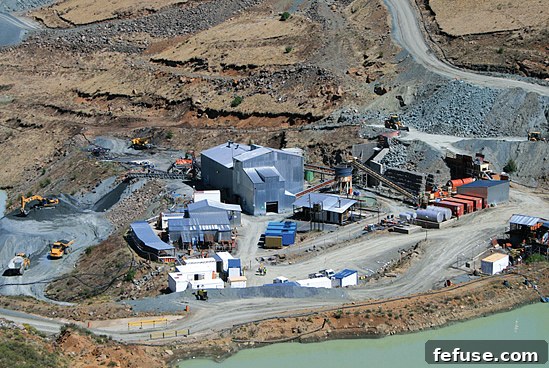
The heart of Firestone’s future lies in its Liqhobong Diamond Mine in Lesotho, a project that has consistently met or exceeded expectations. In releasing its final audited results for the last financial year, Firestone proudly announced that construction of the Liqhobong Diamond Mine, which stood at an impressive 85% completion as of June 30, 2016, had been successfully concluded by October of the same year. This achievement is particularly noteworthy as the project was delivered not only within its allocated budget but also ahead of schedule. Such an accomplishment in a challenging mining sector is a testament to Firestone’s robust project management capabilities, engineering expertise, and disciplined financial oversight. It instills significant confidence among investors and stakeholders regarding the company’s ability to execute complex projects effectively.
The rapid progression from construction completion to operational readiness signifies a crucial transition point. Full production rates at the Liqhobong site are anticipated to be achieved in early 2017. This swift ramp-up positions Firestone to capitalize on current market conditions and establish itself quickly as a consistent supplier. The excitement surrounding the mine’s imminent productivity is further amplified by the scheduling of the first sale of diamonds recovered from Liqhobong in Antwerp in January 2017. Antwerp, globally renowned as a premier diamond trading hub, provides the ideal platform for Firestone to introduce its production to international buyers and establish market value. Firestone has confidently stated its expectation to become a “one million carat per annum producer shortly,” a target that would place it among a select group of leading global diamond miners.
The inherent value of the Liqhobong asset is substantial, underpinning Firestone’s long-term potential. The Liqhobong Diamond Resource, encompassing both Indicated and Inferred categories, is estimated at an impressive 23 million carats. Furthermore, the in-situ value of this resource (based on a base case un-escalated scenario) is conservatively estimated at a staggering US$3.0 billion. This significant resource base provides a robust foundation for decades of sustained production, ensuring a long operational life and substantial future revenue streams for the company. It underscores the strategic importance of Liqhobong as a tier-one diamond asset with considerable upside potential as market conditions evolve.
Fortifying Financial Position for Sustainable Growth
At the close of the financial year, Firestone Diamonds maintained a strong financial position, essential for supporting its transition into a full-scale producer. The Group reported cash reserves and remaining debt facilities totaling US$49.3 million. With an estimated US$40.3 million still required to be spent on the Liqhobong Project and associated corporate expenses, the company held a comfortable financial headroom of US$9.0 million. This calculation excludes an additional US$15.0 million standby facility, indicating an even greater buffer should unforeseen circumstances arise. This robust funding structure, meticulously planned and managed, is deemed sufficient to finance the Group’s operations well beyond its critical first sale of diamonds. Such financial stability is paramount, allowing Firestone to focus on optimizing production and sales without immediate concerns about liquidity, thereby ensuring a smoother operational ramp-up and market entry.
Strategic Corporate Developments and Market Positioning
Beyond its core Liqhobong project, Firestone Diamonds continues to strategically manage its broader asset portfolio. The company noted that its proposed sale of Botswana operations to Tango Mining had to be terminated. While specific reasons for the termination were not detailed, such outcomes are not uncommon in complex mining asset transactions and can arise from various factors, including market conditions, due diligence findings, or inability to agree on final terms. Despite this, Firestone remains steadfastly committed to exploring and seeking innovative ways to advance and unlock the inherent value from its Botswana assets. This commitment signals a pragmatic approach to portfolio management, ensuring that all assets are continually evaluated for their potential contribution to shareholder value, whether through alternative divestments, partnerships, or renewed exploration efforts in the future.
The broader diamond market has faced its share of challenges, making Firestone’s achievements even more remarkable. As Lucio Genovese, Non-Executive Chairman, eloquently put it, “Firestone will soon be joining the short list of global producing diamond miners delivering one million carats per annum. This is a milestone the Company has been working towards achieving against the backdrop of an extremely challenging mining sector climate.” This statement powerfully articulates the significance of Liqhobong’s imminent production, highlighting the company’s resilience and strategic acumen in navigating an often volatile industry. Becoming a million-carat producer not only enhances Firestone’s global standing but also provides economies of scale, making it a more robust and competitive entity within the diamond supply chain.
Stuart Brown, CEO, provided further insight into the operational strategy, affirming, “The Company’s first diamond sale is scheduled to take place in Antwerp in January 2017 and thereafter, we propose to host two sales per quarter.” This aggressive and consistent sales schedule demonstrates Firestone’s confidence in its production capabilities and its commitment to establishing a regular market presence. Regular sales ensure consistent cash flow, facilitate strong relationships with buyers, and allow the company to respond dynamically to market demand and price fluctuations. This proactive approach to sales and marketing is crucial for maximizing revenue and solidifying Firestone’s reputation as a reliable supplier in the international diamond market.
Strengthening Governance: Strategic Board Appointments
In a move to further bolster its corporate governance and strategic oversight as it enters this new production phase, Firestone announced a significant board appointment. Deborah Thomas has been welcomed as an independent Non-executive Director, with immediate effect. Her appointment is a clear signal of Firestone’s commitment to robust financial stewardship and compliance, as she will also chair the critical Audit Committee. Ms. Thomas brings an unparalleled depth of experience to the board, having retired as a partner from Deloitte in May 2016 after a distinguished career spanning 22 years. During her extensive tenure at Deloitte, she gained invaluable experience advising some of the world’s leading mining companies, a background directly relevant to Firestone’s operations and strategic challenges.
Her expertise extends across global practices, including significant roles within Deloitte’s UK and African practices. Notably, she served as the Head of the Metals & Mining Team, where she developed a comprehensive understanding of the complex financial, operational, and regulatory landscapes unique to the mining sector. Following this, she took on the role of Head of the Africa Services Group, providing her with specific insights into the economic and political environments of key African mining jurisdictions, including Lesotho where Liqhobong is situated. Furthermore, her experience on the board of the Deloitte UK Global Markets group highlights her strategic acumen and understanding of international financial markets. The addition of Deborah Thomas to the board significantly enhances Firestone’s capabilities in financial reporting, risk management, and overall corporate governance, ensuring the company adheres to the highest standards as a publicly listed entity and a major diamond producer.
In conjunction with this appointment, the Board also announced the departure of Braam Jonker, who stepped down with immediate effect. Mr. Jonker had been a valuable member of the Board since December 2011 and had also served as the chairman of the Audit Committee. The company expressed its gratitude for his contributions, and his departure facilitates a smooth transition of leadership within the Audit Committee to Deborah Thomas, ensuring continuity and renewed expertise in this vital oversight function.
A Bright Future Ahead for Firestone Diamonds
Firestone Diamonds is unequivocally at a transformative moment in its corporate history. With the Liqhobong Diamond Mine completed ahead of schedule and within budget, the company is poised to fulfill its promise of becoming a million-carat per annum producer. This strategic achievement, coupled with a solid financial footing and an enhanced leadership team, positions Firestone for sustainable growth and long-term value creation. The imminent first diamond sale and a disciplined sales schedule underscore an aggressive and confident market entry strategy. As it moves from a development-focused entity to an active and significant diamond producer, Firestone Diamonds is set to make a substantial impact on the global diamond industry, promising an exciting future for its stakeholders and the broader market.
Pic caption: The Liqhobong Mine
(Courtesy: Firestone Diamonds)
– News Source : gjepc.org