
India’s Jewelry Market Set for Resurgence: Weddings and Diwali Fueling Demand
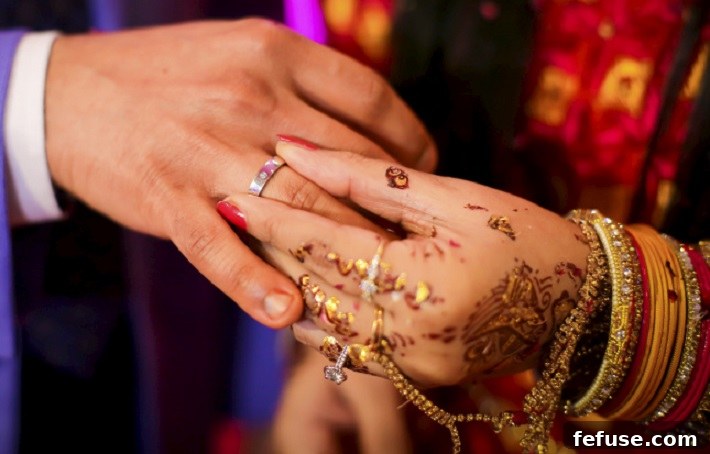
The vibrant Indian jewelry market, a cornerstone of the global industry, is poised for a significant rebound. Following a period of subdued activity caused by the global pandemic and subsequent lockdowns, industry experts and major players are expressing strong optimism for the latter half of 2020. This resurgence is primarily attributed to two powerful cultural phenomena: a backlog of postponed weddings and the eagerly anticipated Hindu festival of Diwali in November.
India’s deep-rooted cultural affinity for jewelry, particularly gold and diamonds, positions it as a resilient market even amidst economic headwinds. Jewelry is not merely an accessory; it is an integral part of Indian traditions, an auspicious gift, a symbol of wealth and status, and often, a crucial investment. This inherent demand, coupled with pent-up consumer sentiment, is creating a fertile ground for recovery.
Global Mining Giants Signal Confidence in Indian Demand
The world’s leading diamond miners, De Beers and Alrosa, have both voiced their confidence in the Indian market’s recovery trajectory. Their optimistic outlook is a strong indicator of increased demand driving consumption in the second half of 2020, suggesting a robust close to a challenging year.
De Beers Sees Strong Order Execution and Future Growth
De Beers, a name synonymous with diamonds, has provided a clear picture of its recent activities and future expectations in India. Speaking to The Economic Times in India, the company revealed that it had successfully executed 80% of its orders with factories in Surat – a global hub for diamond cutting and polishing – and with retailers spread across the vast Indian landscape. This high rate of order fulfillment underscores a tangible uptick in activity, signalling that the supply chain is re-engaging vigorously to meet anticipated consumer demand.
Sachin Jain, the managing director of De Beers India, articulated this positive sentiment explicitly. “The Indian market will witness a rebound in diamond consumption in November and December as many weddings have been pushed back this year due to the outbreak of the pandemic,” Jain told the paper. His statement highlights the critical role of the wedding segment, which traditionally accounts for a significant portion of jewelry sales in India. The deferral of these celebrations due to health concerns meant a temporary dip in demand, but the upcoming festive and wedding season is expected to unleash this pent-up desire for diamond purchases.
De Beers’ proactive engagement with both manufacturers in Surat and direct retailers across India demonstrates a strategic approach to capitalize on the impending festive rush. By ensuring that the supply chain is well-stocked, they are preparing to meet the sudden surge in consumer interest, particularly for engagement rings, bridal sets, and other diamond jewelry that are indispensable parts of Indian nuptials.
Alrosa Notes “Green Shoots” of Recovery
Alrosa, another global powerhouse in diamond mining, echoes De Beers’ optimism. Jim Vimadalal, director at Alrosa’s India office, similarly pointed to weddings and the five-day Diwali festival as pivotal drivers for the market’s recovery. Diwali, commencing on November 14th, is a prime period for auspicious purchases, often including gold and diamond jewelry, making it a critical sales window for retailers.
Vimadalal expressed enthusiasm for the positive shift in the market, stating, “We are excited to see green shoots in the market as it has turned to recovery mode in recent months.” The phrase “green shoots” is a powerful metaphor, indicating nascent signs of growth and renewal after a period of dormancy. This suggests that the recovery is not just a hope but an observable trend, with consumer confidence slowly but steadily returning, translating into increased foot traffic and sales.
Alrosa’s perspective reinforces the idea that the recovery is broadly based, drawing strength from both the deeply personal (weddings) and the culturally significant (Diwali) aspects of Indian life. For diamond miners, India represents one of the most vital end-markets, and their positive outlook is a strong indicator of overall health returning to the global diamond industry.
The Indispensable Role of Indian Weddings in Jewelry Demand
Indian weddings are lavish affairs, often spanning several days and involving intricate rituals, vibrant celebrations, and, crucially, significant expenditures on jewelry. For many Indian families, jewelry, especially gold and diamonds, forms an essential part of the bride’s trousseau and gifts exchanged between families. It symbolizes prosperity, security, and the enduring bond of marriage. The sheer volume of weddings in India each year makes it an unparalleled driver of jewelry demand.
The pandemic-induced lockdowns led to a large number of weddings being postponed or scaled down. As restrictions ease and confidence returns, there’s a strong expectation of a “wedding rush” – a concentrated period where postponed celebrations will finally take place. This backlog is projected to create an unusually high demand for bridal jewelry, including intricate gold necklaces, diamond sets, bangles, and rings, providing a powerful tailwind for the jewelry sector.
Retailers are gearing up to cater to this pent-up demand, likely offering new collections and attractive schemes to entice couples and their families. The emphasis will be on designs that blend traditional aesthetics with contemporary tastes, reflecting the evolving preferences of modern Indian brides while respecting cultural heritage.
Diwali: The Auspicious Time for Gold and Diamonds
Diwali, the “Festival of Lights,” is arguably the most important Hindu festival in India, celebrated with immense zeal and tradition. It is a period associated with prosperity, good fortune, and new beginnings. Culturally, it is considered highly auspicious to purchase gold and other valuable items during Diwali, especially during Dhanteras, which precedes the main festival. This tradition alone drives a significant spike in jewelry sales annually.
Consumers view gold not only as a symbol of wealth but also as a safe-haven investment. During times of economic uncertainty, the allure of gold often strengthens, as it is perceived as a stable asset. This dual appeal – cultural auspiciousness and investment value – makes Diwali an exceptionally strong period for jewelry sales, encompassing a wide range of products from intricate gold ornaments to elegant diamond pieces and precious gemstones.
The timing of Diwali in November, following the easing of lockdown measures, positions it perfectly to catalyze the economic recovery in the retail sector, with jewelry being a primary beneficiary. Retailers prepare months in advance for this festive season, anticipating heightened consumer spending and a desire to celebrate after a challenging year.
Beyond the Festivals: Broader Economic Recovery and Consumer Confidence
While weddings and Diwali are the immediate catalysts, the broader narrative of recovery is also supported by improving consumer confidence and a gradual economic rebound. As daily life normalizes and economic activity picks up, discretionary spending, including on luxury items like jewelry, tends to increase.
The Indian government’s efforts to stimulate the economy, coupled with a generally positive sentiment regarding future growth, are contributing to a more favorable environment for retail. Furthermore, the Indian population’s strong cultural ties to jewelry mean that even in challenging times, purchases might be postponed rather than cancelled entirely, leading to a strong rebound once conditions improve.
The jewelry industry has also been adaptive, with many retailers enhancing their online presence and offering virtual try-ons or home delivery services, catering to consumers who may still prefer to shop from home. This blend of traditional retail and digital innovation is likely to further bolster sales and provide convenience to a wider range of customers.
Challenges and Opportunities Ahead
While the outlook is overwhelmingly positive, the industry is not without its challenges. Lingering economic uncertainties, potential localized lockdowns, and shifts in consumer purchasing power could still impact growth. However, the fundamental demand drivers in India for jewelry remain incredibly strong.
The current scenario presents unique opportunities for innovation, from designing versatile jewelry that suits both traditional and modern aesthetics to exploring new marketing strategies that resonate with a post-pandemic consumer. Focus on ethical sourcing, transparency, and sustainable practices could also gain traction, appealing to a more conscious consumer base.
Conclusion: A Shining Future for India’s Jewelry Market
In conclusion, the Indian domestic jewelry market is clearly on the path to a robust recovery, driven by the powerful forces of delayed wedding celebrations and the auspicious Diwali festival. The optimism expressed by global mining giants like De Beers and Alrosa is a testament to the inherent strength and resilience of India’s demand for precious adornments.
As the festive season approaches, retailers, manufacturers, and consumers alike are looking forward to a period of vibrant activity. The “green shoots” observed by industry leaders signal not just a temporary bounce, but a sustained recovery rooted in India’s enduring cultural values and its significant role in the global jewelry landscape. The shining future of India’s jewelry market appears brighter than ever, promising a glittering end to 2020 and a strong start to the new year.