
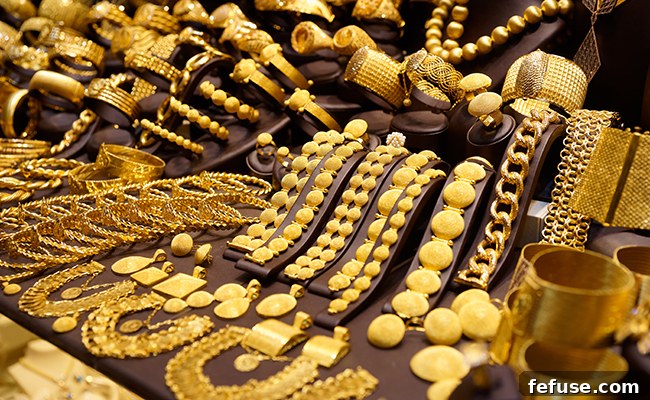
India’s Gold Jewellery Market: A Festive Season Under Pressure
The traditionally vibrant Indian gold jewellery market, especially in its sprawling rural heartland, is currently navigating a period of unprecedented challenges. Esteemed as the primary store of value and a symbol of prosperity, gold jewellery has witnessed a significant slump in demand, plummeting by as much as 30% in the critical run-up to Diwali. This downturn is not an isolated incident but rather a confluence of multiple, interconnected economic and environmental factors that have severely impacted consumer sentiment and purchasing power across rural India. The repercussions are being felt keenly by jewellers nationwide, casting a shadow over what is typically their most prosperous selling season.
The primary culprits behind this notable decline are threefold: unpredictable and untimely rains coinciding with the crucial October harvesting season, the persistent and far-reaching effects of the 2016 demonetisation initiative, and a noticeable increase in bullion prices following the nationwide implementation of the Goods and Services Tax (GST). These elements have collectively eroded the financial stability and confidence of rural consumers, who form the bedrock of India’s prodigious gold consumption. As the impact of these formidable factors shows little sign of immediate abatement, industry experts and jewellers are bracing themselves for subdued sales, even during auspicious occasions like Dhanteras, a mere two days before the grand Diwali celebrations on October 19.
The Sacred Significance of Gold: Festivals and Farming Cycles
For millions of Indians, particularly those residing in rural areas, the purchase of gold is inextricably linked to cultural traditions, religious observances, and the rhythm of agricultural cycles. Festivals such as Akshay Tritiya and Dhanteras hold immense significance, symbolising prosperity, good fortune, and the welcoming of wealth into households. Historically, these festivals have served as pivotal moments for gold acquisitions, with families investing in ornaments and bullion as both a spiritual gesture and a tangible asset. The timing of Dhanteras, often celebrated just after the autumn harvest, traditionally sees farmers utilise the proceeds from their newly reaped crops to invest in gold, cementing its role as a form of savings and a mark of social standing.
“The unseasonal rains have unequivocally marred pre-Diwali sales this year, and their adverse effects are undoubtedly poised to impact the forthcoming Dhanteras sales as well,” stated Nitin Khandelwal, the esteemed chairman of the All India Gem & Jewellery Trade Federation (GJF). He further elaborated on the severity of the situation, revealing, “In those specific states where the untimely rains in October have wrought extensive damage to crops and livelihoods, the drop in demand for gold may be as staggering as 50%. However, when we consider the broader picture across rural India, the overall decline hovers around a significant 30%. The market is palpably subdued, reflecting a widespread cautiousness among consumers.” This sentiment is echoed across the industry, indicating a widespread concern over the current economic climate in rural areas.
Dissecting the Triple Whammy: Rains, Demonetisation, and GST
The current downturn in gold demand can be attributed to a perfect storm of three distinct yet interconnected challenges. Each factor, potent on its own, has contributed to a magnified negative impact on the purchasing power and sentiment of rural Indian consumers.
1. The Unpredictable Fury of Untimely Rains
Agriculture remains the undisputed backbone of the Indian rural economy, directly influencing the financial health and stability of millions of farming households. The timely and adequate monsoon season is absolutely critical for healthy crop yields and, consequently, for the income generation of farmers. However, the recent spate of untimely rains in October, tragically coinciding with the crucial harvesting season for many crops, has proven disastrous for vast agricultural tracts. These unexpected downpours have led to extensive crop damage, spoilage, and significantly reduced yields. For farmers, this translates directly into diminished income, leaving them with substantially less disposable cash to spend on non-essential, albeit culturally and traditionally important, items like gold jewellery. When faced with crop failure and uncertainty, the immediate priority shifts from luxury purchases to securing essential livelihoods and managing pressing financial exigencies. Liquidity becomes paramount over asset acquisition, a stark and undeniable indicator of widespread economic distress within the agricultural community.
2. The Lingering Shadow of Demonetisation
More than a year after its initial implementation, the far-reaching effects of the 2016 demonetisation policy continue to reverberate through the Indian economy, particularly in the cash-dependent rural areas. The sudden withdrawal of high-denomination currency notes created an immediate and severe liquidity crunch, disrupting established supply chains and informal economic activities that are highly prevalent in rural India. While the policy was primarily aimed at curbing black money and encouraging digital transactions, its protracted impact has effectively suppressed consumer spending and eroded household savings. Many rural households, still grappling with reduced cash flows and a slower economic recovery in their local markets, find their capacity to make significant purchases like gold severely constrained. The trust in traditional financial systems was undoubtedly shaken, and the return to normalcy in rural economic transactions has been considerably slower than anticipated, leaving a lasting imprint on consumer behaviour and purchasing power.
3. The GST Effect: Price Hike and Sentiment Shift
The introduction of the Goods and Services Tax (GST) in July has added yet another layer of complexity and challenge to the Indian gold market. While aiming to standardise taxation across various goods and services nationwide, the 3% GST levied specifically on gold has effectively increased its overall price for the end consumer. Given that gold is often a highly price-sensitive commodity, particularly for rural buyers who typically operate on tight budgets and are acutely aware of price fluctuations, even a marginal increase can be a significant deterrent to purchases. This new tax, combined with the already higher bullion prices observed globally, has collectively created an affordability challenge for a substantial segment of potential buyers. Saurabh Gadgil, the Managing Director at PNG Jewellers, a prominent chain with 12 retail outlets specifically targeting rural Maharashtra, succinctly underscored this point: “The effect of demonetisation is still continuing, and a 3% GST has also increased the prices of gold, undoubtedly affecting consumer sentiment. But, more immediately, the rains have caused immense inconvenience in the rural markets, severely affecting demand, as farmers simply do not possess sufficient cash to make these significant gold purchases.”
Rural India: The Heartbeat of Gold Demand
India’s undeniable position as one of the world’s largest consumers of gold is predominantly driven by its vast and populous rural segments. According to recent projections by the World Gold Council, India’s overall demand for the yellow metal is anticipated to range between 650 and 750 tonnes for the current year. A staggering 60% of this total consumption originates from rural India, unequivocally highlighting its pivotal and indispensable role in shaping the national and, by extension, the global gold market dynamics. Dhanteras, as previously mentioned, holds particular cultural and economic importance for rural gold purchases, offering farmers an opportune and auspicious moment to convert agricultural earnings into a tangible, liquid asset that also carries immense cultural and traditional weight, often passed down through generations.
However, the fundamental principle underpinning gold acquisition in rural India transcends mere adornment; it is its vital role as a critical asset, a hedge against economic uncertainties, and a readily accessible form of wealth. In times of prosperity, gold purchases naturally flourish as a sign of wealth and security. Conversely, when crops are damaged or incomes dwindle, the instinctual priority shifts dramatically. Farmers, facing reduced output, damaged harvests, and precarious financial futures, invariably prefer maintaining liquidity over making new jewellery purchases. This pronounced preference for immediate cash resources over illiquid assets is a clear and alarming symptom of deep financial stress within the agricultural community, underscoring the severity and widespread nature of the current situation. The ability to access cash instantly becomes a paramount premium when livelihoods are at stake, irrevocably transforming gold from an investment or cultural item into a secondary consideration.
Confluence of Challenges: A Magnified Impact
The cumulative effect of these three distinct yet intricately interconnected challenges – the lingering shadow of the currency clampdown, the increased cost due to the 3% GST, and the devastating impact of unseasonal rains – has conspired to create a perfect storm for the Indian gold market. Each factor, potent on its own, has synergistically magnified the adverse effects of the others, leading to a far more severe and widespread downturn than any single issue might have caused in isolation. The agricultural distress directly curtails purchasing power, while demonetisation continues to suppress overall economic activity, and the implementation of GST adds to the financial burden on consumers. This synergistic negative impact powerfully illustrates the inherent fragility of rural incomes and the profound sensitivity of gold demand to macroeconomic shifts and environmental adversities.
For the entire jewellery industry, this complex scenario presents a significant and formidable hurdle, compelling many retailers to fundamentally re-evaluate their sales projections, inventory management, and marketing strategies. The anticipation of muted sales during the festive season, traditionally a period of peak demand and robust revenue generation, unequivocally signals a challenging period ahead for all stakeholders. The industry, which employs millions and contributes significantly to the national economy through manufacturing, trade, and exports, will need to adapt strategically to these rapidly shifting consumer behaviours and prevailing economic realities. Efforts might include offering more accessible and lighter designs, introducing flexible payment options, or strategically focusing on smaller, more affordable gold items to attract cautious buyers. Ultimately, a sustained and robust recovery in rural gold demand will hinge critically on the revival of agricultural prosperity, improved liquidity across rural markets, and a much-needed boost in overall consumer confidence.
Outlook and Broader Implications for the Indian Gold Market
The current slump in gold demand in rural India carries significant and far-reaching implications, not just for domestic jewellers and the intricate supply chain within the country but also for the global gold market, given India’s undisputed status as a top gold consumer. A prolonged period of subdued demand could potentially influence international gold prices, shift global trade dynamics, and impact mining operations worldwide. Domestically, it reflects broader economic stress points within the crucial agricultural sector and highlights the inherent challenges of implementing major economic reforms like demonetisation and GST without adequately cushioning their multifaceted impact on vulnerable populations who form the majority of the consumer base.
Moving forward, the recovery of the Indian gold market, especially its vital rural segment, will largely depend on several key, interconnected factors. A favourable and well-distributed monsoon in the next agricultural cycle, leading to bountiful harvests and substantially improved farmer incomes, would be absolutely paramount for a turnaround. Government policies specifically aimed at supporting agricultural stability, enhancing rural liquidity through targeted financial interventions, and stimulating overall economic growth in these regions will also play a crucial and decisive role. Until such fundamental improvements materialise and are effectively implemented, the outlook for gold jewellery sales in rural India, particularly during culturally significant festive periods, is likely to remain cautiously optimistic at best, with jewellers and consumers alike hoping for a swift and sustainable turnaround in fortunes.
News Source: economictimes.indiatimes.com