
De Grisogono Faces Strategic Overhaul Amidst Market Headwinds and Ownership Controversies
Zurich, Switzerland – Esteemed Swiss luxury jewelry brand De Grisogono is initiating a significant restructuring, encompassing substantial job cuts and a strategic pivot in its product focus. This transformative period comes as the brand grapples with disappointing sales performance in its high-end pieces and navigates a complex landscape of evolving market demands and persistent ethical scrutiny.
Strategic Realignment: Job Cuts and a Shift Towards Accessible Luxury
According to recent reports, De Grisogono plans to reduce its global workforce by as many as 41 positions. This comprehensive downsizing includes 31 roles in Switzerland, which constitutes approximately 30 percent of its 104-person staff in the country, alongside up to an additional 10 positions internationally. The company has explicitly cited “challenging conditions in some key markets” as the primary impetus behind these difficult decisions. This workforce reduction not only reflects De Grisogono’s specific challenges but also underscores a broader trend impacting various segments of the luxury market, where changing consumer spending patterns, geopolitical uncertainties, and economic fluctuations often dampen demand for ultra-high-end discretionary items.
Beyond the immediate workforce adjustments, De Grisogono is also poised to significantly scale back its production capacity. This strategic realignment aims to better synchronize its output with current market demand and is accompanied by a deliberate and pivotal shift in its product strategy. The brand intends to increasingly concentrate on what it terms “more affordable fine jewelry.” This move could profoundly alter its established market positioning. Traditionally, De Grisogono has been celebrated for its opulent, often avant-garde designs, characterized by the lavish use of large, exquisite gemstones and its distinctive application of black diamonds. This strategic pivot suggests a fundamental re-evaluation of its core offerings, potentially exploring new price points, experimenting with different material combinations, or developing design aesthetics that retain the brand’s unique essence while appealing to a wider, more accessible customer base. The implications of such a significant shift on De Grisogono’s exclusive brand identity and its loyal, high-net-worth clientele remain a key topic of discussion within the discerning luxury sector.
While the initial news originated from a Reuters report, De Grisogono had not officially responded to requests for confirmation by press time. This silence has left both the industry and its discerning customers awaiting further, specific details regarding the scope of this strategic overhaul and its projected timeline, creating an atmosphere of anticipation and speculation.
The De Grisogono Legacy and Its Complex Ownership Narrative
Founded in 1993 by the visionary Fawaz Gruosi, De Grisogono swiftly carved out a distinctive niche in the ultra-competitive world of high-end jewelry. Gruosi’s unique aesthetic, marked by a bold and often unconventional use of color, daring gem pairings, and a particular affinity for the enigmatic beauty of black diamonds, set the brand apart from its more traditional Swiss counterparts. De Grisogono pieces rapidly became synonymous with a certain daring elegance and rebellious luxury, attracting an exclusive clientele that sought individuality, exceptional craftsmanship, and a departure from conventional design norms.
However, the brand’s narrative grew increasingly complex following shifts in its ownership structure, which brought it into the orbit of significant international attention for reasons beyond its exquisite craftsmanship. Reports indicate that De Grisogono is majority-controlled by Sindika Dokolo, a prominent Congolese art collector and businessman. Dokolo is the husband of Isabel Dos Santos, who has been widely recognized by Forbes as Africa’s richest woman. Her immense personal wealth and vast business empire are inextricably linked to her father, Jose Eduardo Dos Santos, who served as Angola’s president for nearly four decades. This high-profile connection has subsequently cast a long shadow over De Grisogono, drawing the brand into a much larger, politically charged debate surrounding wealth accumulation, power dynamics, and ethical governance within the resource-rich nation of Angola.
The Angolan Connection: A Source of Controversy and Scrutiny
During his lengthy and often controversial tenure as president, Jose Eduardo Dos Santos faced significant international criticism. He was frequently accused of widespread nepotism and cronyism, with numerous allegations suggesting that he appointed family members and close political allies to pivotal positions in state-owned enterprises and government ministries. This alleged strategy reportedly enabled his family and inner circle to amass vast fortunes, often through preferential access to and control over Angola’s lucrative natural resources, particularly its immense oil reserves and valuable diamond mines. The stark and deeply concerning contrast between the immense wealth accumulated by the Dos Santos family and the pervasive, widespread poverty experienced by the majority of Angolan citizens fueled considerable public discontent within the country and generated significant international concern, drawing increased scrutiny to any entities perceived to be associated with their financial interests.
It was precisely this reported connection between the powerful Dos Santos family and De Grisogono that ignited a fiery debate within the global gem and jewelry industry, pushing critical issues of provenance and ethical sourcing squarely to the forefront. Yianni Melas, a renowned gem explorer and dealer known for his outspoken advocacy for transparency and ethical practices, spearheaded a highly publicized campaign against the brand. Melas passionately called for a global boycott of De Grisogono across various social media platforms, emphasizing the urgent need for greater transparency and accountability throughout the luxury supply chain. His impactful activism culminated in a hunger strike staged in Geneva, Switzerland, a protest strategically timed to coincide with a major event: Christie’s impending auction of a magnificent De Grisogono necklace.
The High-Stakes Auction and Its Ripple Effects
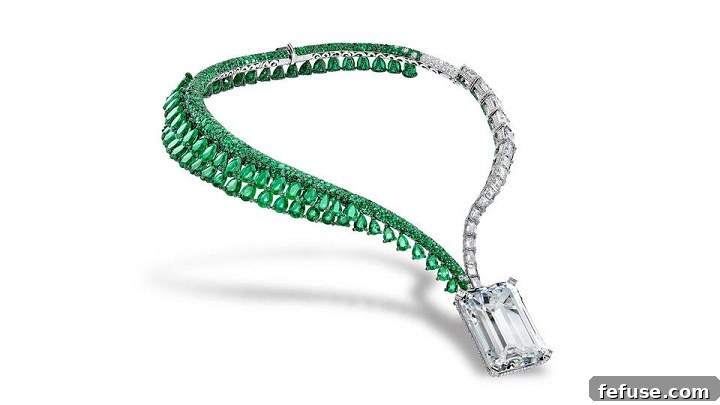
The necklace in question was truly an extraordinary piece of haute joaillerie, featuring a breathtaking 163.41-carat flawless, D color diamond. This exceptional gem was particularly significant and drew heightened attention because it was explicitly sourced in Angola, adding another intricate layer of complexity and intense scrutiny given the ongoing controversies surrounding the country’s resource wealth and the Dos Santos family’s alleged involvement. The highly anticipated auction at Christie’s thus became a focal point for the broader ethical debate surrounding the brand and, more critically, the provenance of its high-value diamonds. Despite the significant ethical pressure and Melas’s highly visible protest, the magnificent necklace ultimately sold.
However, the final hammer price of $33.7 million, while undeniably substantial, was widely considered disappointing by many astute industry observers and market analysts. Experts had generally anticipated a much higher valuation, given the diamond’s extraordinary quality, immense size, and rarity. This unexpected result fueled widespread speculation within the market that the very high end of the diamond sector was encountering significant headwinds and struggling with softer demand. Factors such as a cautious global economic outlook, intensified scrutiny over ethical sourcing and supply chain transparency, and potentially the negative publicity surrounding De Grisogono’s ownership, may all have collectively contributed to the less-than-expected sale price. This incident served as a stark and powerful reminder that even in the rarefied and exclusive world of ultra-luxury, market sentiment, public perception, and ethical considerations can significantly influence valuations and overall demand.
Angola’s Political Shift and the Divestment of State Stakes
Further complicating De Grisogono’s already intricate ownership landscape was a significant and impactful political development within Angola. In late 2017, the Angolan state-owned diamond company, Sodiam — a key subsidiary of the national mining company Endiama — made a pivotal and widely publicized decision to divest its stake in De Grisogono. This landmark move was a direct and tangible outcome of the sweeping reform agenda initiated by Angola’s new president, Joao Lourenco.
President Lourenco, who succeeded Jose Eduardo Dos Santos, embarked on an ambitious mission to fundamentally distance the country’s state-owned enterprises from the often-criticized and controversial business interests of his predecessor’s family. This highly visible divestment from De Grisogono was widely perceived as both a symbolic and practical step towards achieving greater transparency, improved governance, and a more equitable distribution of the nation’s vast natural resources. It unequivocally signaled a new era for Angola, aiming to professionalize its state companies, reduce the perception of cronyism that had long plagued its economy, and restore international confidence. For De Grisogono, Sodiam’s departure meant the loss of a significant state-backed investor, potentially impacting its financial structure, public perception, and reinforcing the urgent need for its current, comprehensive strategic re-evaluation.
Broader Implications for the Luxury Jewelry Industry
De Grisogono’s current struggles and its announced strategic pivot are not isolated incidents; rather, they are indicative of larger, transformative trends and profound challenges within the global luxury jewelry industry as a whole. Modern consumers are increasingly sophisticated and ethically conscious, demanding not only exceptional craftsmanship, unparalleled aesthetic beauty, and exclusivity but also robust assurances regarding ethical sourcing, environmental sustainability, and corporate social responsibility. Brands that fail to address these burgeoning concerns openly, transparently, and effectively risk alienating a rapidly growing and influential segment of their customer base.
The strategic emphasis on “affordable fine jewelry” by De Grisogono reflects a broader and undeniable market shift where consumers, even within the luxury segment, are actively seeking greater value, versatility, and conscious consumption. While the ultra-high-end market for unique, statement pieces will undoubtedly always exist, there is a burgeoning demand for fine jewelry that offers everyday wearability, represents a more considered and responsible purchase, and perhaps resonates with a younger, more dynamic demographic. The brand’s ability to successfully navigate this challenging transition, adapt to evolving consumer expectations, and effectively pivot its offerings while meticulously preserving its unique design DNA and brand heritage will be absolutely critical for its long-term viability, market relevance, and ultimate success in an increasingly competitive landscape.
In conclusion, De Grisogono finds itself at a pivotal and defining juncture in its history. The announced job cuts and comprehensive strategic shift underscore the immense pressure and complex dynamics faced by luxury brands in today’s volatile global market. Compounded by historical ownership controversies and intense scrutiny over ethical practices and provenance, the brand’s path forward will undoubtedly require not only astute business decisions and innovative product development but also a renewed and unwavering commitment to transparency, ethical integrity, and a clear articulation of its core values to successfully reclaim and solidify its position as a leading innovator and revered name in the demanding world of high jewelry.