
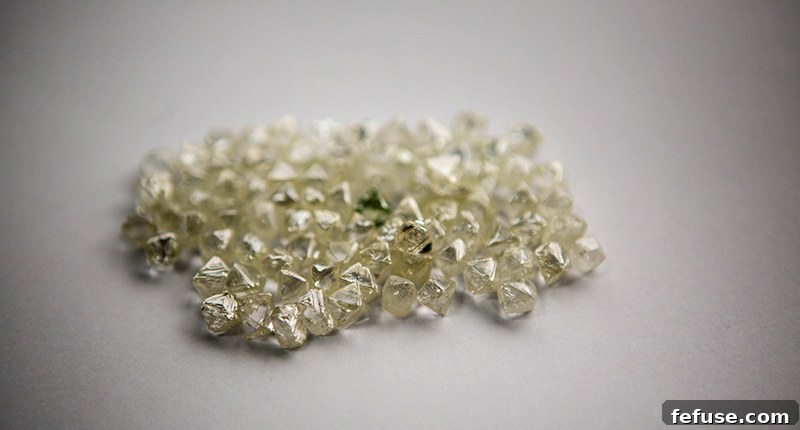
The global diamond industry, a realm synonymous with enduring value, luxury, and meticulous craftsmanship, is standing at the precipice of a monumental transformation. A pioneering initiative by De Beers Group, the world’s leading diamond company, promises to redefine transparency and trust within this sector through the strategic adoption of blockchain technology. This groundbreaking move is set to usher in an unprecedented era where the journey of every natural diamond, from its geological origins deep within the earth to its final cherished placement, is digitally recorded, verified, and accessible, fostering a new level of confidence for both industry stakeholders and consumers worldwide.
Understanding Blockchain: The Foundation of Unprecedented Trust
At its core, blockchain is a distributed digital ledger system that fundamentally alters how information is stored and shared. Best known as the innovative technology underpinning cryptocurrencies like Bitcoin, its applications extend far beyond finance. Unlike traditional centralized databases, a blockchain operates on a decentralized network, meaning it exists across multiple computers and servers globally and is not controlled by any single entity. This inherent decentralization makes it exceptionally secure, resilient, and virtually immutable.
Every piece of information, or “transaction,” added to the blockchain is bundled into a “block.” Once a block is validated by the network’s participants, it is cryptographically linked to the previous block, forming an unbreakable chain of records. This chaining mechanism ensures that once data is recorded, it cannot be altered or deleted, creating a permanent and transparent history. For industries dealing with high-value goods and complex supply chains, such as diamonds, blockchain’s attributes of security, transparency, and immutability are not just advantageous but revolutionary, promising to solve long-standing challenges related to provenance, authenticity, and ethical sourcing.
De Beers’ Vision: A Digital Fingerprint for Every Natural Diamond
Recognizing the immense potential of this technology, De Beers Group, in collaboration with BCG Digital Ventures—a subsidiary of Boston Consulting Group known for its significant investments in blockchain innovation—has embarked on a pioneering pilot program for a diamond blockchain. This ambitious project aims to create a comprehensive, digital record for each natural diamond, tracing its unique journey through the intricate supply chain, from the moment it is unearthed to its final sale.
How the Diamond Blockchain Will Work: Tracing Every Interaction
The operational mechanism of De Beers’ diamond blockchain is designed for meticulous detail and exhaustive record-keeping. As a diamond progresses through various stages of its lifecycle, every significant interaction will be registered on the platform. This includes pivotal events such as when the rough diamond is sorted after recovery, when it is meticulously cut and polished at a factory, when it undergoes expert grading at a certified laboratory, and when it is set into a piece of jewelry. Each of these interactions will contribute to a “block” of information specific to that particular diamond.
For a block of information to be added to the digital ledger, it must first be validated by the participating community within the blockchain network. This consensus-driven validation process ensures the integrity and accuracy of the data. Once validated and chained together, these individual blocks form an exhaustive, immutable digital record – essentially, a unique digital fingerprint – for each diamond. This detailed ledger provides an unprecedented level of transparency and traceability, allowing anyone with access to verify the stone’s journey and key characteristics with absolute certainty.
Exclusivity and Independent Governance: A Commitment to Natural Diamonds
A crucial aspect of De Beers’ blockchain initiative is its explicit focus on natural diamonds. David Prager of De Beers stated unequivocally, “This is a diamond blockchain to record a diamond’s journey as it passes through the full value chain. It is not for other products, whether they be lab-grown, precious metals or simulants.” This distinction is paramount, as it provides the industry and consumers with an unambiguous assurance of a diamond’s natural origin. In an increasingly complex market with various diamond types, this platform offers a definitive tool for differentiating natural diamonds and upholding their inherent value and heritage.
Furthermore, to ensure impartiality and broad industry trust, the diamond blockchain is slated to be governed by an independent, nonprofit organization. While the precise details of this governance structure are still being formalized, the commitment to an independent body underscores De Beers’ intention to make the platform a truly collaborative industry solution, accessible to all participants across the value chain. This collaborative spirit is vital for widespread adoption and the ultimate success of the initiative, fostering a shared sense of ownership and responsibility.
Addressing Critical Industry Challenges with Blockchain
The introduction of a diamond blockchain by De Beers serves multiple critical purposes, directly addressing some of the most pressing challenges faced by the diamond industry today. These solutions are poised to benefit producers, manufacturers, retailers, and, most importantly, the end consumer.
Enhancing Authenticity and Ethical Sourcing
One of the primary benefits of this blockchain platform is its unparalleled ability to enhance authenticity and assure ethical sourcing. By meticulously tracking each stone from its mine of origin to the retail counter, the platform provides incontrovertible proof of a diamond’s identity. This allows sellers to confidently verify that a diamond is indeed natural, not lab-grown, and originates from a region free of conflict. Beyond merely preventing the trade of “blood diamonds,” the blockchain offers a granular history, moving beyond certificate-based assurances to a real-time, verifiable digital ledger. This level of traceability empowers retailers to tell the unique story of each diamond with absolute transparency, reinforcing consumer trust in the product’s provenance and ethical journey.
Restoring Financial Confidence and Combating Illicit Activities
The diamond industry has, in recent years, faced scrutiny from financial institutions regarding concerns about money laundering and other illicit activities. This has led to a significant number of banks reducing or exiting their lending to the sector, creating financial challenges for many businesses. A traceable product, backed by an immutable blockchain record, directly addresses these concerns. Banks are inherently more attracted to industries where risks associated with transparency and compliance are mitigated. By providing a clear and unambiguous audit trail for every diamond, the blockchain platform can help restore confidence among financial institutions, facilitating easier access to financing for legitimate businesses and safeguarding the industry’s reputation against misuse.
Driving Efficiency and Reducing Costs Across the Supply Chain
While the initial investment in developing and implementing such a sophisticated blockchain platform is substantial, De Beers’ David Prager emphasized that the long-term efficiencies created within the supply chain are expected to significantly reduce the cost of doing business for many users. The current diamond supply chain often involves multiple intermediaries, extensive paperwork, and time-consuming verification processes. By digitizing and streamlining the tracking process, the blockchain can minimize administrative burdens, accelerate customs procedures, reduce the potential for fraud, and optimize inventory management. These operational efficiencies translate into tangible cost savings and improved operational fluidity for all participants, from miners to retailers.
The Pilot Program and Industry-Wide Engagement
De Beers’ pilot blockchain program involves a “small number of participants” spanning the entire diamond value chain, including some of their esteemed sightholders. While specific company names remain undisclosed, the inclusion of key industry players from the outset ensures that the platform is developed with real-world applications and challenges in mind. A key focus during this pilot phase is ensuring the blockchain’s compatibility across a wide range of operating systems, including those for computers and mobile phones, maximizing its accessibility and ease of use for diverse stakeholders.
The industry’s reaction to De Beers’ initiative has been largely positive and collaborative. Ahead of major industry events in New York, De Beers executives actively pitched their blockchain project to broader industry groups, including members of the U.S. Jewelry Council – a coalition of trade organizations dedicated to responsible sourcing. Bruce Cleaver, CEO of De Beers Group, expressed enthusiasm, stating, “We are very excited about this initiative and the benefits it could deliver across the diamond value chain, from producers through to retailers and consumers. We look forward to continuing to engage with industry stakeholders as we progress development of the platform over the coming months.”
Ronnie VanderLinden, president of the Diamond Manufacturers & Importers Association of America (DMIA), echoed this sentiment, acknowledging the early stage of development but praising De Beers’ willingness to cooperate and seek advice from all industry participants. “While this is still at an early stage of development, De Beers’s willingness to cooperate with and seek advice from all industry participants bodes well for successful development and implementation of this initiative,” he noted. This collaborative approach is crucial for building consensus and ensuring that the final platform truly serves the collective interests of the diamond industry. De Beers has also launched a dedicated website for the blockchain project, offering updates and inviting interested parties to sign up for further information as development progresses, signaling their commitment to transparency and broad engagement.
A full commercial launch of the diamond blockchain is anticipated to take place later this year, marking a significant milestone in the industry’s evolution.
Broader Implications: A New Era for Precious Gemstones
The application of blockchain technology is not limited to diamonds. This innovative approach is sparking similar initiatives across the broader precious gemstone sector, signaling a widespread industry shift towards enhanced traceability and transparency. Notably, the Swiss gem lab Gübelin announced a parallel effort, collaborating with technology company Everledger to develop a program specifically designed to trace colored gemstones from mine to market. This pioneering project for colored stones, described as the first of its kind, further underscores the growing recognition that blockchain is an essential tool for building trust and ensuring the integrity of the entire luxury gemstone supply chain.
The Future of Diamonds: Trust, Transparency, and Technology
De Beers’ leadership in deploying blockchain technology for natural diamonds represents a pivotal moment for the industry. By creating a transparent, immutable, and verifiable record for each stone, the platform addresses critical demands for ethical sourcing, authenticity, and financial accountability. It promises to rebuild and strengthen consumer confidence by providing an unprecedented level of insight into a diamond’s journey and origin. As this technology matures and gains wider adoption, it is set to transform the diamond industry into one defined by unparalleled trust, ultimate transparency, and cutting-edge technological innovation, ensuring that the allure of natural diamonds remains as brilliant and enduring as ever.