
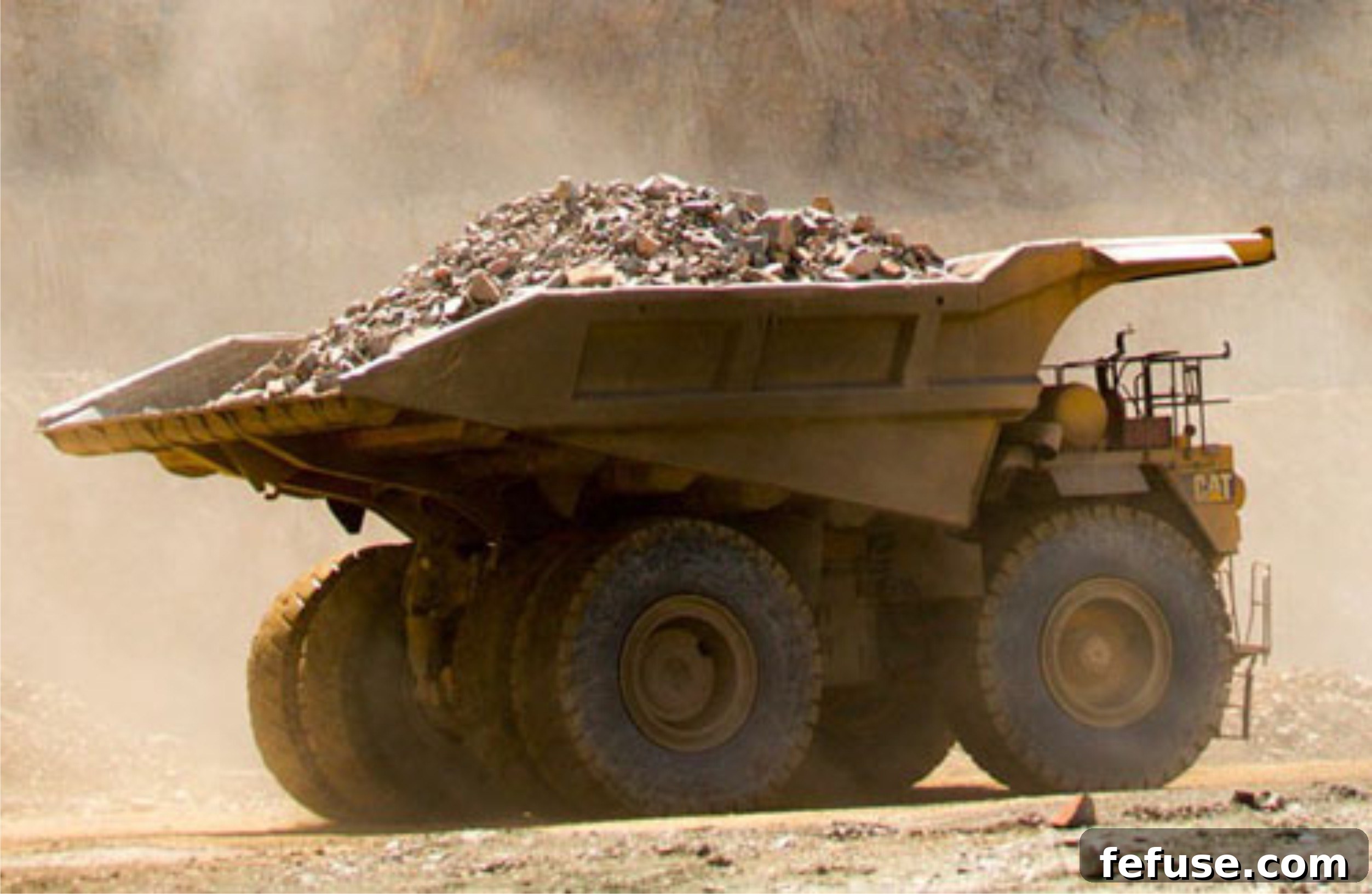
De Beers’ Exceptional Q3 2017 Performance: A Deep Dive into Surging Rough Diamond Production
In a significant announcement that underscored robust market conditions and strategic operational success, Anglo American, the parent company of De Beers, unveiled its production figures for the third quarter of 2017. The report highlighted a remarkable surge in De Beers’ rough diamond production, marking a substantial 46% increase in carat terms compared to the same period in 2016. This impressive growth reflects a period of heightened activity and strategic gains across De Beers’ global operations, solidifying its position as a leading force in the diamond industry.
This notable uplift in production was not unforeseen. The company had previously signaled a higher production forecast for 2017, anticipating sustained demand and the substantial contribution from key projects. A pivotal factor in this growth trajectory was the accelerated ramp-up of the Gahcho Kué mine in Canada, a world-class operation that reached its nameplate capacity earlier than expected. This, coupled with generally stable trading conditions in the global diamond market, provided a fertile ground for De Beers to expand its output significantly.
Overview of De Beers’ Robust Production Highlights
For the third quarter of 2017, De Beers reported a total rough diamond production of 9.2 million carats. This represents a substantial increase from the 6.3 million carats produced during Q3 2016, showcasing a year-on-year growth that speaks volumes about the company’s operational efficiency and market responsiveness. This quarterly performance also had a profound impact on the year-to-date figures. As of the end of Q3 2017, De Beers’ cumulative production stood at 25.3 million carats, a considerable leap from the 19.6 million carats recorded for the same period in the previous year, translating into an impressive 29% increase in year-to-date production.
These figures are more than just statistics; they paint a vivid picture of a rejuvenated diamond market and De Beers’ strategic agility in capitalizing on improved demand. The overall sentiment in the industry during this period was cautiously optimistic, with strong consumer interest in key markets and a steady appetite for natural diamonds driving demand. De Beers’ ability to meet this demand with increased supply, particularly from its newer and expanded operations, was a testament to its long-term investment strategies and operational excellence.
Regional Breakdown: Unpacking the Drivers of Growth
The remarkable overall growth in production was an aggregate of stellar performances across De Beers’ diverse mining operations spanning multiple continents. Each region contributed significantly, albeit with varying degrees of growth, reflecting unique operational dynamics and geological endowments. Understanding these individual contributions is crucial to appreciating the holistic success story of Q3 2017.
Botswana: Debswana’s Enduring Contribution
Botswana, home to the joint venture Debswana (a 50/50 partnership between the Government of Botswana and De Beers), remained a cornerstone of De Beers’ production. For Q3 2017, Debswana contributed a substantial 6.1 million carats, a significant increase from the 4.6 million carats produced in Q3 2016, marking a 33% year-on-year growth. This uplift was primarily driven by enhanced operational outputs from two of its flagship mines: Orapa and Jwaneng.
Orapa, one of the world’s largest diamond mines by area, experienced a remarkable 60% increase in production. This surge was predominantly attributed to the ramp-up of Plant 1, which had previously been under partial care and maintenance in response to subdued trading conditions in late 2015. The re-activation and full operational capacity of Plant 1 played a critical role in boosting Orapa’s output, reflecting De Beers’ ability to quickly adapt its production levels to market demands. Concurrently, Jwaneng, often referred to as the “Prince of Mines” due to its rich yields, saw its production increase by 23%. This growth was a result of planned increases in feed to the plant, indicating a carefully executed strategy to maximize recovery from this high-value asset.
Namibia: Namdeb Holdings’ Steady Progress
Namdeb Holdings, De Beers’ partnership with the Government of Namibia, also reported positive growth. Its production for Q3 2017 amounted to 454,000 carats, an increase of 12% compared to the 405,000 carats produced in Q3 2016. The primary catalyst for this growth was the higher mining rates achieved by Debmarine Namibia’s Mafuta vessel. Debmarine Namibia specializes in marine diamond recovery, operating a fleet of highly advanced vessels that extract diamonds from the seabed off the Namibian coast. The increased efficiency and productivity of the Mafuta vessel underscore the technological prowess and strategic importance of marine mining in De Beers’ portfolio.
South Africa: DBCM’s Enhanced Grades
In South Africa, De Beers Consolidated Mines (DBCM) played its part with a contribution of 1.5 million carats in Q3 2017, up 41% from the 1.1 million carats recovered in Q3 2016. This significant increase was largely attributed to higher grades at the Venetia mine. Venetia, South Africa’s largest diamond mine, transitioned from an open-pit to an underground operation, a multi-billion-dollar project designed to extend its life by several decades. The higher grades encountered during this period are a testament to the mine’s geological richness and the successful optimization of its mining processes, yielding more carats per tonne of ore processed.
Canada: Gahcho Kué’s Transformative Impact
Perhaps the most spectacular growth story came from De Beers Canada, where production skyrocketed to 1.1 million carats in Q3 2017. This represents an astonishing 398% increase – nearly five-fold – compared to the 225,000 carats produced in Q3 2016. The overwhelming driver for this unparalleled growth was the successful ramp-up of the Gahcho Kué mine. Located in the Northwest Territories, Gahcho Kué is a joint venture between De Beers Group (51%) and Mountain Province Diamonds (49%). It reached its nameplate capacity in Q2 2017, quickly establishing itself as a significant contributor to De Beers’ global output. The rapid and efficient progression of Gahcho Kué from development to full production capabilities demonstrates De Beers’ expertise in managing large-scale mining projects and bringing new sources of supply online effectively.
Market Dynamics and Sales Performance
Beyond raw production figures, De Beers’ rough diamond sales volumes also provided valuable insights into the prevailing market conditions. In Q3 2017, De Beers’ consolidated rough diamond sales volumes reached 6.5 million carats (or 6.9 million carats on a total 100% basis), derived from two sales ‘sights.’ This compared favorably to Q3 2016, which saw sales of 5.3 million carats (5.7 million carats on a total 100% basis) from two sights. The increase in sales volumes was primarily driven by a “normalization of demand for lower value goods” in 2017.
The term “sights” refers to the exclusive selling events where De Beers, through its marketing arm the Diamond Trading Company (DTC), offers rough diamonds to its accredited customers, known as Sightholders. These events are highly anticipated by the industry, as they provide a crucial indicator of market demand and pricing trends. The normalization of demand for lower value goods indicates a broader market recovery, where appetite for a wider range of diamond qualities returned to healthier levels after periods of fluctuating demand. This suggests increased confidence among manufacturers and retailers, who were restocking inventories in anticipation of stable or growing consumer sales, particularly in the mass market and bridal segments.
Future Outlook and Strategic Implications
Given the strong performance in the third quarter and robust year-to-date figures, De Beers revised its full-year production guidance for 2017. The new forecast was set at approximately 33 million carats, a slight increase from the previously estimated range of 31-33 million carats. This upward revision reflects the company’s confidence in maintaining its operational momentum and its positive outlook on the diamond market for the remainder of the year.
The successful ramp-up of Gahcho Kué and the optimization of existing mines like Orapa and Venetia are indicative of De Beers’ long-term strategic planning. By investing in new capacities and improving efficiencies at mature assets, the company ensures a diversified and resilient supply chain. This approach allows De Beers to remain responsive to market shifts while securing its position as a reliable source of high-quality rough diamonds globally. The increased production, coupled with healthy sales, positions De Beers strongly as it navigates the evolving landscape of the global luxury market and the specific dynamics of the diamond industry.
The Broader Context of the Diamond Industry
De Beers’ Q3 2017 performance should be viewed within the broader context of the global diamond industry, which was experiencing a period of cautious optimism. Following some challenging years characterized by inventory overhangs and subdued demand, 2017 showed signs of a healthier rebalancing. Consumer markets, particularly the United States and China, were demonstrating steady growth in demand for diamond jewelry. This was supported by effective marketing campaigns, including those by De Beers, which continued to promote the emotional value and enduring appeal of natural diamonds.
Factors such as geopolitical stability, economic growth in key consumption regions, and the ongoing appeal of diamonds as symbols of love and commitment all contributed to the improved trading environment. While challenges such as the rise of lab-grown diamonds and responsible sourcing concerns continued to be relevant, the natural diamond sector, led by major players like De Beers, focused on differentiation, provenance, and the unique story of natural diamonds formed deep within the Earth. De Beers’ ability to increase production and sales during this period underscores its fundamental strength and its adeptness at adapting to market nuances while maintaining its commitment to ethical and sustainable practices.
Conclusion: De Beers’ Path of Growth and Resilience
De Beers’ production report for Q3 2017 painted a compelling picture of a company in a strong growth phase. The significant 46% increase in rough diamond production, translating to 9.2 million carats for the quarter, was driven by strategic operational enhancements across its global portfolio. From the transformative ramp-up of Gahcho Kué in Canada to the optimized output from established mines in Botswana, Namibia, and South Africa, each region contributed to this exceptional performance. The robust sales figures, especially the normalization of demand for lower value goods, further affirmed the positive trajectory of the global diamond market.
With an upward revision of its full-year production guidance, De Beers demonstrated its confidence in sustained market demand and its operational capabilities. This period showcased De Beers’ resilience, its strategic vision in expanding mining operations, and its ability to capitalize on stable trading conditions. As a cornerstone of the diamond industry, De Beers’ strong performance in 2017 not only boosted its own bottom line but also signaled a period of renewed optimism and stability for the wider diamond value chain, reinforcing the enduring allure and economic significance of natural diamonds.