
The Unprecedented Halt: How COVID-19 Brought Global Trade Shows, Especially Luxury Watch and Jewelry Events, to a Standstill
The dawn of 2020 brought with it an unforeseen global crisis: the rapid emergence and spread of the coronavirus, now officially known as COVID-19. This invisible adversary swiftly began reshaping every facet of human interaction, commerce, and daily life. Among the first and most visible casualties in the economic sphere were large-scale international gatherings, particularly the prestigious trade shows that serve as vital arteries for numerous industries. From the automotive sector to mobile technology and, most acutely, the luxury watch and jewelry markets, the once-bustling calendars of these essential events began to crumble under the weight of public health concerns. The decision to pull the plug on these meticulously planned exhibitions was not taken lightly, reflecting a deep-seated commitment to safeguarding public health amidst an escalating global pandemic. The domino effect of cancellations sent shockwaves through industries reliant on these platforms for networking, sales, and trend-setting, ushering in an era of profound uncertainty.
Baselworld’s Historic Cancellation: A Bellwether for the Industry
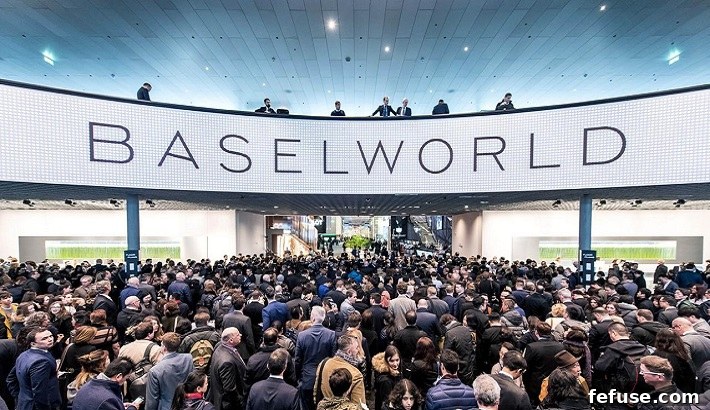
Few events encapsulate the grandeur and economic significance of the luxury watch and jewelry world quite like Baselworld. For over a century, this iconic Swiss exhibition has stood as a beacon, drawing tens of thousands of industry professionals, designers, manufacturers, retailers, and journalists from every corner of the globe. It was a place where groundbreaking innovations were unveiled, multi-million dollar deals were forged, and the pulse of the global market was keenly felt. Therefore, the announcement of Baselworld’s 2020 edition being cancelled, rather than merely postponed, resonated as a particularly potent symbol of the coronavirus’s disruptive power. On February 28, 2020, the organizers released a statement confirming the unavoidable decision, citing pressing health and safety reasons as the paramount concern for all participants, visitors, and employees. The show, originally scheduled for April 30 to May 5, 2020, was definitively called off, with organizers setting new dates for January 28 to February 2, 2021. This unprecedented move marked the first time in its long and illustrious history that the show had been cancelled outside of wartime, underscoring the severity of the global health crisis unfolding at an alarming pace.
The implications of Baselworld’s absence were immediate and far-reaching. For brands, especially smaller independent watchmakers and jewelers, it meant the loss of a crucial platform for product launches, order placements, and direct engagement with an international clientele. Retailers missed the opportunity to scout new trends and secure inventory for the coming seasons. The entire logistical ecosystem surrounding the event—from hotels and restaurants in Basel to transportation and event service providers—faced significant economic losses. The cancellation wasn’t just about a trade show; it was about the disruption of an entire annual cycle that underpinned a multi-billion dollar global industry, signaling a period of adaptation and introspection for all involved.
Watches & Wonders Geneva (Formerly SIHH): A Parallel Shift
The luxury watch industry had already begun to feel the tremors of the pandemic even before Baselworld’s final decision. Just a day prior, on February 26, 2020, Watches & Wonders Geneva – formerly known as Salon International de la Haute Horlogerie (SIHH) – had announced its own cancellation. This prestigious event, a jewel in the crown of fine watchmaking, was scheduled to take place from April 25 to 29. Like Baselworld, its organizers, the Fondation de la Haute Horlogerie (FHH), unequivocally prioritized health and wellbeing. Their statement emphasized the need “to protect the health and wellbeing of all our guests, press, partners and teams,” underscoring a collective responsibility in mitigating the spread of the virus. The list of participating brands for Watches & Wonders Geneva reads like a roll call of horological legends: Bovet, Cartier, Vacheron Constantin, Panerai, Piaget, Hermes, and numerous other esteemed manufactures were all set to showcase their latest marvels. The simultaneous cancellation of these two titans of the watch industry within days of each other served as a stark realization that the crisis was far from contained and its impact would be pervasive.
These decisions were not isolated incidents but part of a broader, industry-wide response. Brands like Grand Seiko, known for its meticulous craftsmanship and growing global presence, cancelled its planned summit in Tokyo, originally slated for the first week of March. Their reasoning echoed that of the larger shows: the imperative to ensure the safety of guests, partners, and employees given the escalating health risks and the absence of any immediate signs of containing the virus. Earlier in the month, the Swatch Group, one of the world’s largest watch conglomerates, also made the proactive decision to cancel its “Time to Move” summit in Zurich. This internal event, designed for retailers and press to preview new collections from its diverse portfolio of brands, was called off to “guarantee the welfare” of guests, partners, and colleagues. These swift, successive cancellations painted a clear picture: the global watch and jewelry community was united in its cautious approach, putting health above immediate commercial interests.
The Global Ripple Effect: Impact on the Gems & Jewelry Sector
The cancellations of these pivotal trade shows sent profound ripple effects across the entire global gems and jewelry supply chain. China, the initial epicenter of the coronavirus outbreak, is also a manufacturing powerhouse and a colossal consumer market for luxury goods. The severe lockdown measures and economic slowdown in China dramatically disrupted production lines, logistics, and retail sales, creating a bottleneck that quickly reverberated worldwide. For the diamond and colored stone industry, trade shows are not merely exhibition spaces; they are critical marketplaces for sourcing, negotiation, and distribution. Buyers from around the world converge to inspect rough and polished stones, verify certifications, and establish crucial business relationships. With shows like Baselworld and others being called off, the mechanisms for this vital exchange were severely compromised.
Manufacturers, particularly small and medium-sized enterprises (SMEs), faced immediate challenges. Many rely on orders placed at these shows to sustain their operations for the rest of the year. Without these platforms, they grappled with excess inventory, delayed payments, and significant cash flow problems. Retailers, in turn, found it difficult to replenish stock, leading to potential gaps in their offerings and impacting consumer choice. The global interconnectedness of the industry meant that a disruption in one region or at one crucial event could cause a cascading effect, leading to price volatility, supply shortages, or an oversupply of unsold goods in different segments. This posed a significant threat to the livelihoods of countless individuals, from miners and cutters to designers and salespeople, stretching across continents.
The Precarious Position of Hong Kong: Awaiting a Verdict
As the cancellations spread across Europe and North America, a pressing question loomed over the Asian market, particularly concerning the fate of the Hong Kong Gems & Jewelry Fair. Hong Kong, a bustling hub for international trade and geographically closer to the initial genesis of the dreaded virus, was already grappling with its own unique set of challenges, including political unrest in the preceding months. The prospect of hosting a massive international gathering in May, while the virus continued its global march, became a topic of intense speculation and concern. The Hong Kong show is a monumental event for the gemstone and jewelry trade, particularly for its accessibility to key Asian markets and its role in connecting suppliers with a vast network of buyers. The decision regarding its eventual cancellation or postponement held immense significance for countless businesses dependent on this critical platform for their annual turnover.
The uncertainty surrounding such events underscored the pervasive anxiety gripping the industry. Businesses were forced into a holding pattern, unable to make definitive plans for sourcing, production, or sales strategies. The “wait and watch” approach became the default mode, but for an industry operating on tight margins and complex supply chains, prolonged uncertainty was itself a significant economic burden. The absence of physical trade shows also highlighted the limitations of purely digital alternatives at that initial stage of the pandemic. While online platforms could facilitate some transactions, they often lacked the trust-building, sensory experience, and spontaneous networking opportunities that are invaluable in the high-value, tactile world of luxury watches and fine jewelry. The personal inspection of a diamond’s cut, a gemstone’s color, or a timepiece’s intricate movement often requires a physical presence, making the void left by cancelled shows even more pronounced.
Navigating the Future: Resilience and Innovation in a Post-Pandemic World
The unprecedented wave of cancellations in early 2020 served as a stark awakening for the global watch and jewelry industry. It forced stakeholders to confront vulnerabilities in their traditional business models and accelerated a necessary re-evaluation of how business could be conducted in a world grappling with health crises. While the immediate economic fallout was severe, the situation also sparked conversations about long-term adaptations. Many brands and organizations began to explore enhanced digital strategies, from virtual showrooms and online product launches to sophisticated e-commerce platforms capable of handling high-value transactions. The pandemic undoubtedly accelerated a digital transformation that might have otherwise taken years to unfold, pushing an often-traditional industry into the future.
Looking beyond the immediate crisis, the industry faced the challenge of rebuilding trust and re-establishing continuity. While the convenience of online interactions offered partial solutions, the unique allure of luxury items often lies in their tangibility, the stories behind their creation, and the human connection forged during their acquisition. This suggested that while future trade shows might incorporate hybrid models—combining physical presence with robust digital components—the essence of personal interaction and the grandeur of collective celebration would remain invaluable. The resilience of the watch and jewelry sector, historically accustomed to navigating economic downturns and shifting consumer preferences, would be tested anew. Ultimately, the lessons learned from this period of widespread cancellations would likely redefine the future landscape of luxury trade, emphasizing adaptability, digital proficiency, and an unwavering commitment to both health and economic vitality.