
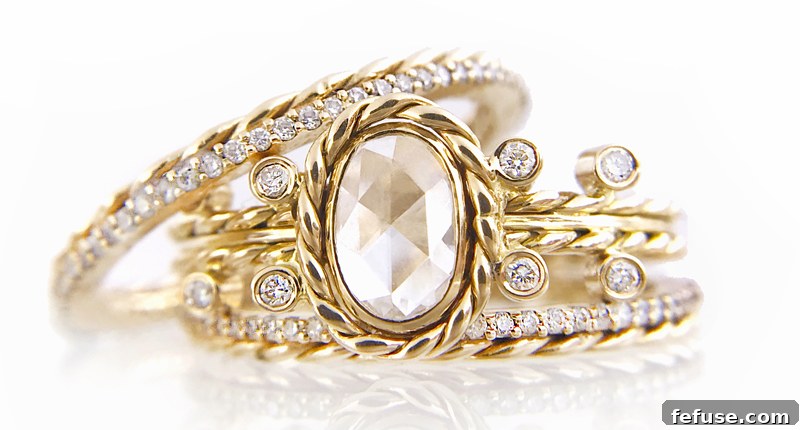
Modern Engagement Ring Shopping: Unveiling Key Trends and Evolving Preferences
The journey to finding the perfect engagement ring is a deeply personal and often intricate process, reflecting not only love and commitment but also evolving societal trends and individual tastes. In 2016, comprehensive market research conducted by WeddingWire, a leading online wedding marketplace connecting vendors with couples, shed significant light on the distinct criteria modern couples prioritize when embarking on this significant purchase. Presented at JCK Las Vegas by Associate Director of Creative Services Jeffra Trumpower, these findings offered invaluable insights into the minds of both those giving and those receiving an engagement ring, highlighting fascinating differences and surprising commonalities in their decision-making processes.
Understanding these engagement ring trends is crucial for couples navigating the market, for jewelers crafting these symbols of love, and for industry professionals shaping future collections. As the digital age continues to shape consumer behavior, the decision-making process for such an emotionally charged purchase becomes a fascinating blend of online exploration and traditional in-store experiences. This detailed analysis delves into WeddingWire’s 2016 study, dissecting the key factors influencing engagement ring selections and exploring the dynamics between the proposer’s intentions and the receiver’s desires, providing a timeless perspective on how love is symbolized through jewelry.
The Dual Perspective: Proposer vs. Receiver Priorities in Engagement Ring Selection
One of the most compelling aspects of WeddingWire’s 2016 research was the revelation that the hierarchy of importance for engagement ring criteria varied significantly depending on whether an individual was the proposer or the recipient. This divergence underscores the complex interplay of emotional, practical, and aesthetic considerations inherent in the engagement ring selection process, highlighting how different roles within the relationship influence purchase priorities.
What Matters Most to the Receiver? Visual Appeal Dominates
For those poised to receive a proposal, the visual impact and overall aesthetic appeal of the ring were paramount. Their priorities were primarily centered around how the ring would look and feel as a symbol of their impending union and a reflection of their personal style:
- Overall Design and Setting: This emerged as the single most important aspect for recipients. It speaks to the desire for an engagement ring that is unique, stylish, and reflective of personal taste, emphasizing the artistic and emotional value embedded in the ring’s presentation. The intricate details of the setting, whether solitaire, halo, or pavé, played a crucial role.
- Type of Metal: Ranking second, the choice of metal—be it classic platinum, warm yellow gold, contemporary white gold, or romantic rose gold—played a significant role. This decision often influences the ring’s durability, its overall warmth or coolness, and how it complements the wearer’s skin tone and existing jewelry collection.
- Type of Stone: Third on the list was the nature of the center stone itself. Beyond just a traditional diamond, couples considered various options like ethical moissanite, vibrant sapphires, deep emeralds, or other colored gemstones, each offering a distinct aesthetic, symbolic meaning, and often, a different price point.
- Cut of the Stone: The precision and style of the stone’s cut, which dictates its brilliance and sparkle, came in fourth. A well-executed cut can profoundly impact the engagement ring’s overall radiance, transforming a raw gem into a dazzling centerpiece.
- Quality of the Stone: While undeniably important, the inherent quality (clarity and color) of the stone ranked fifth for receivers. This suggests that observable beauty, dazzling sparkle, and a captivating design often took precedence over technical specifications that might not be immediately apparent to the untrained eye, especially if they didn’t compromise the overall visual appeal.
- Size of the Stone: Perhaps surprisingly, the size of the center stone was ranked last among all criteria by those who were proposed to. This finding suggests that while a generous stone might be appreciated, it’s not the ultimate determinant of an engagement ring’s desirability or perceived value for the recipient.
The Proposer’s Focus: Quality, Value, and Investment
In contrast, the individual planning the proposal approached the engagement ring shopping experience with a different set of priorities, often influenced by education received during the purchasing process, particularly from in-store experts:
- Quality of the Stone: For proposers, the quality of the stone was the most critical factor. This emphasis, as explained by Trumpower, often stemmed from in-store interactions with knowledgeable salespeople who educated them on the “4 Cs” (cut, color, clarity, and carat weight) and the long-term value, durability, and investment potential of a high-quality diamond. Proposers wanted assurance they were making a sound and meaningful purchase.
- Type of Metal: Mirroring the recipients’ priorities, the type of metal was the second most important consideration for proposers. This demonstrates a shared understanding of its foundational role in the engagement ring’s overall aesthetic, durability, and how it will age over time.
- Design and Setting: The ring’s design and setting, while highly important, ranked third for proposers, slightly behind the stone’s quality and metal type. This suggests a careful balance between finding an aesthetically pleasing ring that suits their partner’s style and ensuring its underlying value and craftsmanship.
- Type of Stone: The specific type of stone followed, indicating that while diamonds remain popular, proposers are also exploring alternatives based on personal preference, ethical considerations, or budget, seeking the perfect fit for their partner.
- Cut of the Stone: Fifth on the list for proposers was the stone’s cut, another factor heavily influencing a diamond’s sparkle and visual appeal. Proposers understood that a superior cut could maximize brilliance, even in a smaller stone, adding significant value.
- Size of the Stone: Consistent with the recipient’s perspective, the size of the stone also ranked last for proposers. This reinforces the idea that while carat weight is often discussed, it is not the sole or even primary driver of purchase decisions, with other factors deemed more essential for a meaningful engagement ring.
This clear distinction underscores the differing motivations: recipients are often focused on immediate visual appeal, personal expression, and how the ring harmonizes with their style, while proposers, having been educated on intrinsic value and longevity, tend to prioritize quality and the lasting significance of their investment.
The Nuance of Engagement Ring Stone Size: Beyond Simple Carat Weight
Despite ranking last in importance for both proposers and recipients, the finding that stone size was the least critical factor does not equate to a widespread preference for small stones. WeddingWire’s research delved deeper into specific size preferences, revealing a nuanced picture of what couples truly desire, indicating that while it’s not the top priority, specific size ranges hold strong appeal:
- 1 to 2 Carats: A substantial 49 percent of those polled expressed a preference for a center stone within the 1 to 2 carat range. This suggests a sweet spot where the stone offers a noticeable presence without being overly extravagant, balancing classic elegance with modern expectations for a significant yet wearable piece.
- Less than 1 Carat: Approximately 28 percent favored stones weighing less than 1 carat. This group might prioritize subtlety, budget efficiency, a vintage aesthetic, or simply a delicate appearance, aligning more closely with the stated lack of overall priority for size.
- 2 to 3 Carats: Nineteen percent indicated a preference for stones between 2 and 3 carats, signifying a desire for a more prominent, luxurious, and statement-making look that catches the eye.
- Above 3 Carats: A smaller, yet distinct, 4 percent opted for stones exceeding 3 carats, highlighting a segment of the market seeking truly grand and spectacular pieces that command attention.
These statistics illustrate that while stone size may not be the *first* criteria considered during the initial evaluation of an engagement ring, preferences are still strong and varied across different segments of the market. “Least important” in this context refers to its position relative to other qualitative factors like design, metal, or cut, rather than an outright rejection of larger stones. It suggests a mature approach where overall beauty, symbolism, and quality are prioritized over mere carat weight alone.
Popular Stone Choices and Cuts: A Blend of Tradition and Emerging Trends
The Reign of Diamonds Continues, with Alternatives Gaining Traction
When it comes to the choice of the central gemstone for an engagement ring, diamonds maintain their undisputed position as the preferred option for the vast majority, largely due to their enduring symbolism of purity and strength, unparalleled brilliance, and remarkable durability.
- Diamonds: A commanding 73 percent of respondents chose classic diamonds as their stone of choice, reinforcing their status as the quintessential engagement gem, valued for their timeless appeal and investment potential.
- Colored Gemstones: Nine percent preferred vibrant colored gemstones, indicating a growing desire for individuality and a beautiful deviation from traditional norms. Sapphires (for loyalty), emeralds (for new beginnings), and rubies (for passion) offer rich, vibrant alternatives, each carrying its own unique history and profound symbolism.
- Raw Diamonds: An interesting 8 percent opted for “raw diamonds,” reflecting a trend towards natural, untouched beauty and a more rustic, bohemian, or authentic aesthetic. These unique stones celebrate imperfection and originality, appealing to those seeking an unconventional engagement ring.
- Pearl Rings: Four percent desired a sophisticated pearl ring, a classic and elegant choice that evokes a sense of timeless sophistication and gentle beauty, though pearls require more delicate care than harder gemstones due to their organic nature.
- Other (including Moissanite): Another 4 percent fell into the “other” category, which encompasses a variety of alternative stones like moissanite. Moissanite, a brilliant and durable diamond alternative, has seen a significant surge in popularity due to its ethical sourcing, exceptional sparkle (often surpassing diamonds in fire), and attractive price point, making it a compelling choice for many modern couples.
Classic Cuts Endure, Modern Shapes Emerge in Engagement Ring Design
The cut of a diamond or gemstone significantly impacts its fire, brilliance, and scintillation, dictating how light interacts with the stone and, consequently, its overall visual appeal. WeddingWire’s research confirmed the continued dominance of classic cuts while also noting the rise of specific modern shapes in engagement ring design:
- Round Brilliant: Remaining the unrivaled champion, the round brilliant cut was preferred by 22 percent of respondents. Its unparalleled ability to reflect light makes it the most popular choice for maximum sparkle, a timeless and universally flattering option.
- Princess Cut: A close second at 21 percent, the princess cut offers a contemporary, angular aesthetic with excellent brilliance, appealing to those seeking a modern yet classic square or rectangular look.
- Oval Cut: Following with 8 percent, the elegant oval cut has seen a resurgence in popularity. Its elongated shape can make fingers appear slender and offers a unique twist on the traditional round, blending classic sparkle with a distinctive form.
- Emerald Cut: Seven percent preferred the sophisticated emerald cut, known for its distinct step-cut facets that create a mesmerizing “hall of mirrors” effect. This cut emphasizes clarity and understated elegance, perfect for showcasing a high-quality stone.
- Heart Cut: The romantic heart cut garnered 6 percent of preferences, a clear symbolic choice for expressing profound love and affection in a unique way.
- Cushion, Rose, Marquise, and Pear Cuts: Each of these distinctive cuts received 4 percent of the votes. Cushion cuts offer a soft, antique feel with rounded corners; rose cuts provide a subtle, vintage sparkle with a flat base and domed top; marquise cuts create an elongated, dramatic look that can appear larger than its carat weight; and pear cuts combine the best of round and marquise shapes for a unique teardrop effect, offering versatility and elegance.
This variety highlights the diverse preferences within the engagement ring market, where enduring tradition meets a growing appetite for distinctive and personalized styles, allowing couples to truly express their unique stories.
Navigating the Engagement Ring Journey: Research, Social Media, and the Human Touch
The path to selecting and presenting an engagement ring has become a multifaceted journey, heavily influenced by digital resources and social media, yet still firmly rooted in the importance of expert guidance and tangible experiences.
The Research Phase: A Blend of Planning and Sentimental Tradition
WeddingWire’s study illuminated the diverse approaches couples take during the initial research phase, showcasing a thoughtful process mixed with cherished customs:
- Advance Planning: A significant 57 percent of proposers dedicated 1 to 6 months to researching engagement rings before making a purchase. This extensive preparation underscores the gravity of the decision and the desire to find the perfect, most meaningful symbol of commitment.
- Family Heirlooms: Interestingly, 24 percent reported no research at all, predominantly because they were planning to propose with a cherished family heirloom. This enduring tradition speaks to the profound value of legacy, sentimental connection, and sustainability in engagement jewelry.
- In-Store Exploration: Both proposers and recipients, on average, viewed approximately six rings in-store, demonstrating the continued importance of physically experiencing, trying on, and comparing different styles and settings before committing to a purchase.
- Pre-Proposal Try-Ons: Nearly half (49 percent) of women in heterosexual couples had tried on engagement rings prior to their actual engagement. This proactive approach allows individuals to clarify their preferences, understand what suits them best, and ensures the chosen ring aligns perfectly with their personal style and comfort.
The Influence of Visual Platforms and Social Sharing
Social media and visual platforms have undeniably transformed how couples gather inspiration and share their joyous news, making the engagement a public celebration:
- Digital Inspiration Boards: Thirty-five percent of individuals desiring a ring actively shared images of preferred styles with their proposers, often curated from platforms like Pinterest and Instagram. These digital mood boards serve as invaluable guides, ensuring the proposer has a clear understanding of their partner’s aesthetic desires and helps to minimize the guesswork.
- “Just Said Yes” Moments: The celebration extends online, with a remarkable 66 percent of people sharing their “just-said-yes” engagement moments on social media. This widespread sharing reflects the desire to celebrate openly with friends and family, connect with their wider network, and participate in the global narrative of love and commitment, often inspiring others.
Customization: A Hidden Gem for the Proposer?
The study also revealed an interesting disconnect regarding custom engagement rings. While a notable 47 percent of proposers reported purchasing a customized ring, a significant portion of recipients were unaware that their ring had been custom-made. This suggests that while proposers highly value the personal touch, uniqueness, and thoughtful effort invested in a bespoke piece, the intricate story behind its creation might not always be conveyed or fully appreciated by the receiver. This highlights the importance of sharing the narrative and significance behind such a special, custom-designed gift.
Combatting Information Overload: The Indispensable Role of the Expert Jeweler
In an age saturated with information, particularly regarding weddings, engagements, and jewelry, couples often find themselves overwhelmed. WeddingWire’s research highlighted that the sheer volume of online content can lead to decision fatigue and increased stress. Many couples reported struggling to make informed choices amidst the “noise” of countless options, conflicting advice, and an abundance of trends that can make personal selection challenging.
This overwhelming digital landscape underscores a critical and enduring need for the human connection, personalized guidance, and unparalleled expertise offered by in-store jewelers. While online platforms are excellent for initial research, price comparisons, and inspiration, the nuanced guidance of a professional jeweler becomes invaluable. Jewelers provide personalized consultations, clarify complex details about diamond quality (the 4 Cs), explain various settings and metal types, offer expert advice tailored to individual preferences and budgets, and, crucially, allow couples to physically interact with and try on rings. This hands-on experience, combined with trusted, unbiased advice, helps to cut through the digital clutter, transforming a potentially stressful decision into an enjoyable, confident, and deeply personal purchase.
Ultimately, the findings from WeddingWire’s 2016 market research continue to resonate profoundly today. They illuminate the evolving dynamics of engagement ring shopping, emphasizing the blend of personal sentiment, aesthetic desires, practical considerations, and the critical role of expert guidance in navigating one of life’s most significant purchases. As trends continue to shift and technology advances, the core desire for a meaningful, beautiful, and lasting symbol of love remains constant, with the informed support of professional jewelers playing an ever-vital role in bringing these dreams to life.
News Source: nationaljeweler.com